
 EN
EN  English
 Español
 Français
 Deutsch
 Nederlands

- Type:
- Industry News
- Date:
- 2026-07-24
Industry News
Home / News / Industry News / How Does a Cat Water Fountain Manufacturer Create Products From Idea to Production

A Cat Water Fountain Manufacturer sits at the center of a product that looks simple at a glance but carries several layers of planning behind it. Pet owners usually notice the shape, the water flow, or the ease of cleaning. Brands notice the sourcing path, the build process, and the way a small design choice can change daily use. Between those two views, the manufacturer has to keep the product practical, safe, and consistent.
For many pet product brands, the real challenge is not just making a fountain that works. It is making a product that fits real homes, different cleaning habits, and a range of customer expectations without turning the design into something complicated. That is why the path from idea to production matters. Each step shapes the next one. A small change in material, a quieter motor layout, or a simpler lid can affect the whole project.
Before a new project starts, brands need a clear view of the product's purpose. A fountain for a single-cat apartment is not shaped by the same habits as a fountain for a busy home with multiple pets. The number of users, the cleaning routine, the available space, and the preferred look all influence the final structure.
A good starting point is to define the daily problem the product is meant to solve. Is the goal easier drinking access, cleaner water movement, or a unit that is simple to refill? Once that is clear, the development path becomes easier to manage.
Brands also need to consider what the product should avoid. A design with too many separate parts may slow cleaning. A product with narrow openings may trap residue. A fountain that looks attractive but feels awkward in use may create more trouble than value.
A Cat Water Fountain Manufacturer often begins with those practical questions rather than visual details alone. That approach keeps the project grounded. It also helps prevent changes later, when revisions can take more time and disturb the rest of the process.
| Early Planning Point | Why It Matters | Typical Risk if Ignored |
|---|---|---|
| Daily use pattern | Shapes the whole product design | The fountain may not fit real user habits |
| Cleaning routine | Affects structure and layout choices | The product may become harder to maintain |
| Space at home | Guides product size and placement | The fountain may feel unsuitable for some spaces |
| Noise sensitivity | Influences motor and water flow design | Pets or users may find operation uncomfortable |
| Refill preference | Helps define water tank structure | The product may become inconvenient to use |
Turning an idea into a usable product starts with structure, not decoration. The first version of a fountain usually begins as a rough concept that answers a few basic questions. Where does the water move? How easy is it to open? Can the unit be taken apart without confusion? These questions shape the frame before any visual polish is added.
A design team often works by reducing friction. If a lid takes too much effort to remove, the product becomes harder to live with. If the water path is too exposed, cleaning may suffer. If the bowl shape pushes water into corners that are hard to reach, residue can build up. Simple lines often help more than crowded shapes.
There is also a balance between appearance and use. A product can look neat on paper, but if the cleaning path is awkward, that neatness loses value. A Cat Water Fountain Manufacturer usually tries to make the outside and inside work together, so the structure feels natural from the first use onward.
One practical way to think about design choices is to compare them in everyday terms:
| Design Choice | Useful Effect | Possible Tradeoff |
|---|---|---|
| Wide opening | Makes cleaning and refilling easier | May influence the outer appearance |
| Fewer loose parts | Simplifies handling and maintenance | May limit additional functions |
| Clear water path | Helps with inspection and water movement | Requires careful internal planning |
| Compact body | Fits smaller living spaces | May reduce internal space |
| Removable sections | Supports regular maintenance | Requires accurate assembly design |
A product that reaches this stage has already moved beyond a sketch. It has become something a household can imagine using. That shift is a major step in development.
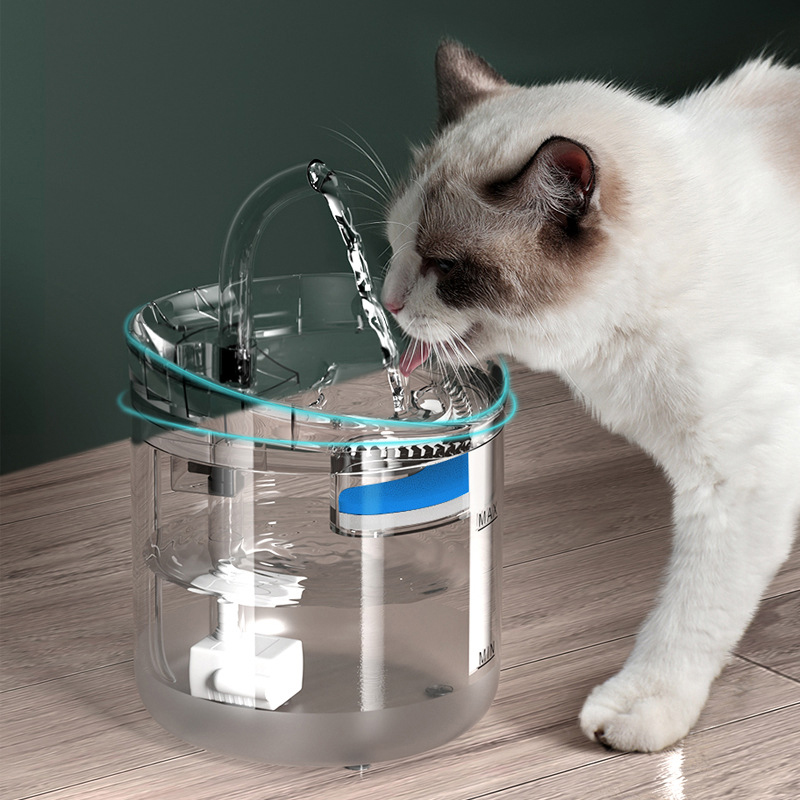
Choosing a manufacturing partner is less about promises and more about fit. Brands need a partner that can work with their project size, style, and timing without forcing the concept into a fixed mold. A clear project brief helps, but the manufacturer also needs to understand how flexible the brand wants the final product to be.
OEM and custom projects often require careful communication. A small request, such as changing the lid style or adjusting the tray depth, may affect the mold, the assembly steps, or the cleaning flow. This is why early discussions matter. The more clearly the brand explains the use case, the fewer surprises appear later.
A Cat Water Fountain Manufacturer that handles custom projects well usually asks practical questions rather than only focusing on appearance. How will the fountain be packed? Will the customer use it in a small room or an open space? Is the product expected to be hand washed often? Those details help define the build.
Trust also comes from clarity. When a manufacturer explains the limitations of a design, that is often a useful sign. It shows the team is looking at the project as a working product, not only as a sample. Brands benefit from that kind of directness.
Material choice affects more than appearance. It shapes how the product feels in the hand, how it cleans, how it resists marks, and how it holds up during repeated use. For a pet fountain, those concerns are not abstract. They become part of the user experience very quickly.
Some materials are chosen for their lightweight nature. Others are preferred because they feel more stable on a surface or resist wear more comfortably. A smooth finish can make cleaning easier, while a rough or uneven surface may hold residue. The right decision depends on the project goals, not on a fixed rule.
A Cat Water Fountain Manufacturer often weighs material choice against the product's intended use. A fountain meant for a simple home setup may not need the same surface treatment as one designed for a more polished retail setting. Still, in every case, the material should support easy care and steady use.
The material choice also affects assembly. Certain surfaces are easier to fit together. Some hold their shape more consistently. Others may demand a more careful approach during production. Those practical details matter because the final product should remain stable after repeated handling.
| Material Consideration | Helpful For | Needs Care With |
|---|---|---|
| Smooth surface | Easier daily cleaning | Keeping the surface free from visible marks |
| Stable body | Better placement on different surfaces | Managing product weight |
| Simple finish | Practical daily use | Balancing appearance and function |
| Replaceable parts | Easier maintenance | Ensuring proper fit and alignment |
| Water contact areas | Supporting daily hygiene routines | Preventing residue buildup |
The point is not to praise one material over another. It is to match the material to the way the product will live in a home.
Noise and cleaning are two of the most sensitive parts of a fountain project. A product may look fine during setup, but if it sounds distracting or becomes annoying to clean, the user will notice quickly. That is why these two features deserve attention together.
Quiet design begins with movement. Water should travel in a controlled way. Parts should not shake against one another. The internal layout should avoid unnecessary contact points that create vibration. Even small shifts in placement can change how the product sounds in a room.
Cleaning ease is just as important. Users want to reach the surfaces that matter without taking the whole product apart in a confusing way. A removable tray, an open water path, and a clear assembly order can make a large difference. The design should support routine care instead of resisting it.
A Cat Water Fountain Manufacturer that focuses on these issues often starts with the user's daily routine. A person who works long hours may not want a product that takes effort every few days. A home with several pets may need a structure that is simple to inspect. A quiet and easy-to-clean fountain answers both concerns in one design path.
The practical side can be broken down like this:
When these points work together, the product feels more natural in the home and less like a task to manage.
Testing is where the product proves whether the design choices actually hold together. A fountain that looks neat in the sample stage still needs to function smoothly under repeated use. That means checking movement, water flow, fit, cleaning access, and the way parts behave when used together.
A basic test process often begins with assembly. Do the parts connect in the intended order? Does the lid sit properly? Is the water route consistent? If one part places extra strain on another, the issue needs to be seen early.
Water flow also needs attention. Too much movement can create splash. Too little may leave the product feeling weak or uneven. The right balance depends on the shape and the intended use. Noise, leakage, and residue patterns are all part of the same picture.
For a Cat Water Fountain Manufacturer, this stage is not only about rejection or approval. It is about understanding where the structure needs adjustment before the product is shipped. That keeps later complaints lower and makes the finished unit easier to trust.
Smart features are changing expectations, but not every product needs to become complicated. The real shift is that buyers now expect more awareness from their pet products. They want easier reminders, steadier behavior, and clearer control. That does not mean every fountain should turn into a complex device. It does mean the design process now includes more decision points.
Some projects may use simple reminders or visible indicators. Others may add controls that help the user understand when care is needed. The important part is restraint. A feature should support daily use, not make the product harder to manage.
A Cat Water Fountain Manufacturer that follows this path usually starts with one question: does the feature solve a real problem? If the answer is unclear, the feature may not belong in the design. A small and useful function can often matter more than a crowded set of extras.
The shift toward smarter products also changes how teams think about repair, access, and daily handling. A feature that looks useful during a presentation can become troublesome if it makes cleaning harder or adds confusion during setup. That is why function should remain the filter.
Reliable products rarely depend on one large decision. They depend on many small ones that hold together well. Alignment, fit, assembly order, packaging, and part consistency all shape how the fountain performs after it leaves the factory.
Small differences in the production stage can affect the home experience. A loose part may create movement. A tight seam may make cleaning harder. A poorly placed opening may interrupt the water path. These are not dramatic failures, but they matter because the customer uses the product every day.
A Cat Water Fountain Manufacturer that manages these details carefully usually keeps the build process steady and simple. The goal is not to add complexity. The goal is to remove weak points before they reach the user. That approach gives the final product a more natural feel and keeps the design practical across different households.
At the end of the process, the product should not ask for attention every time it is used. It should simply do its job with a clear shape, a manageable cleaning path, and a calm presence in the home. For a Cat Water Fountain Manufacturer, that is where idea and production meet in a useful way.
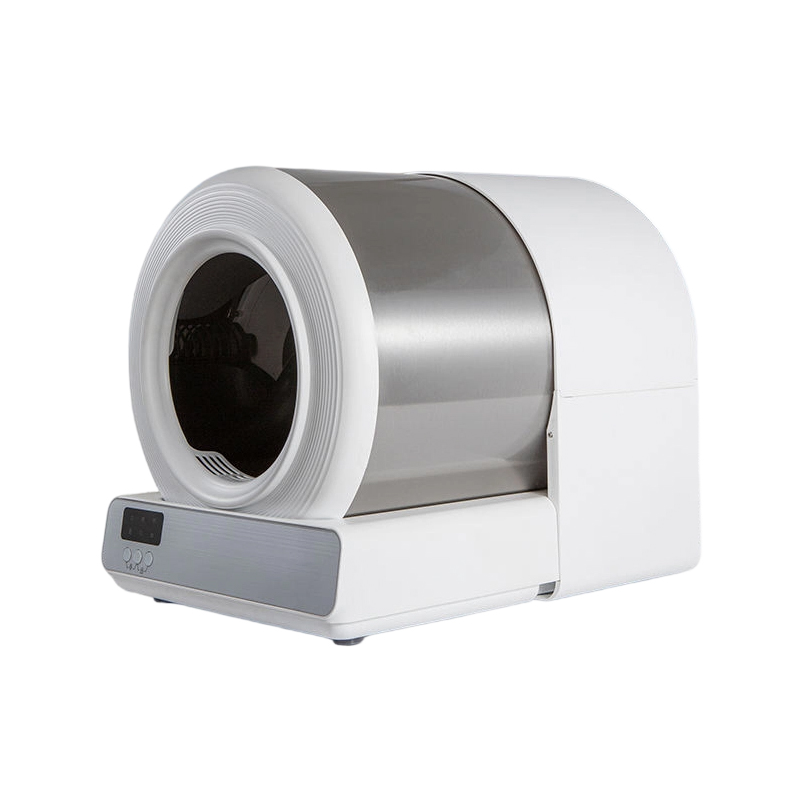
Cat Litter Tray for Multiple Cats Automatic Cat Litter Tray – Product Features The high-pressure washable, safety-focused design facilitates compr...
View More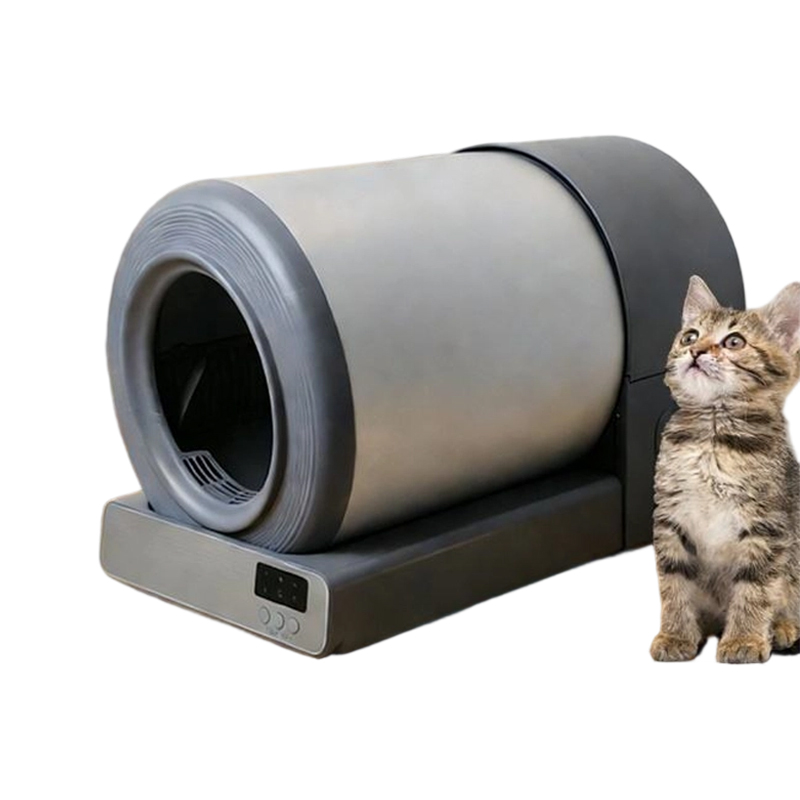
Self-Cleaning Stainless Steel Smart Cat Litter Tray – Product FeaturesThe preferred choice for non-profit organisations; compatible with open-top bi...
View More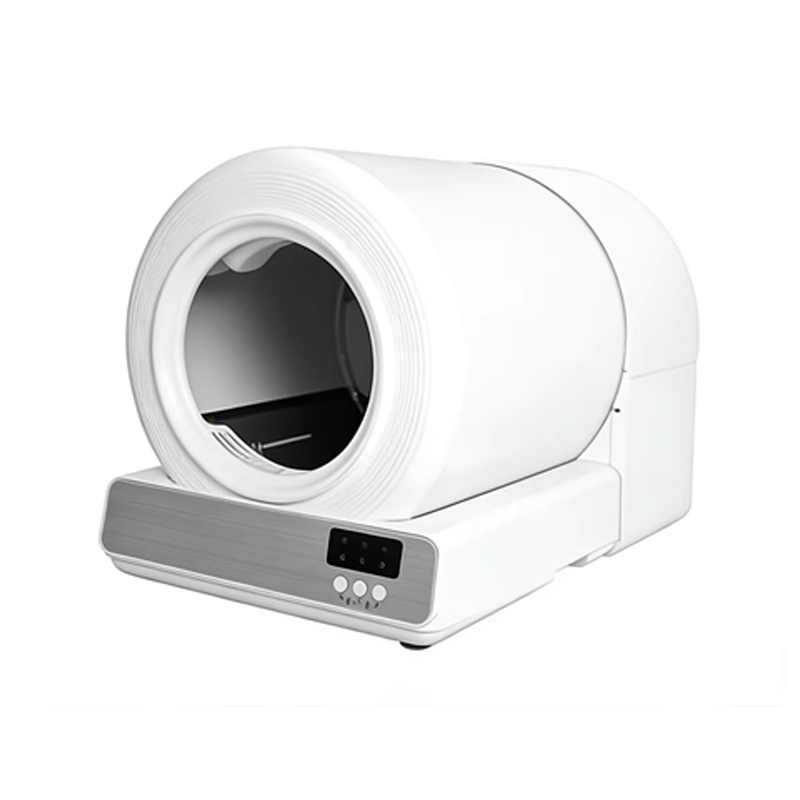
Second-Generation Fully Automatic Cat Litter Tray – Product Features With a large 65-litre capacity, it easily accommodates a substantial amount of ...
View More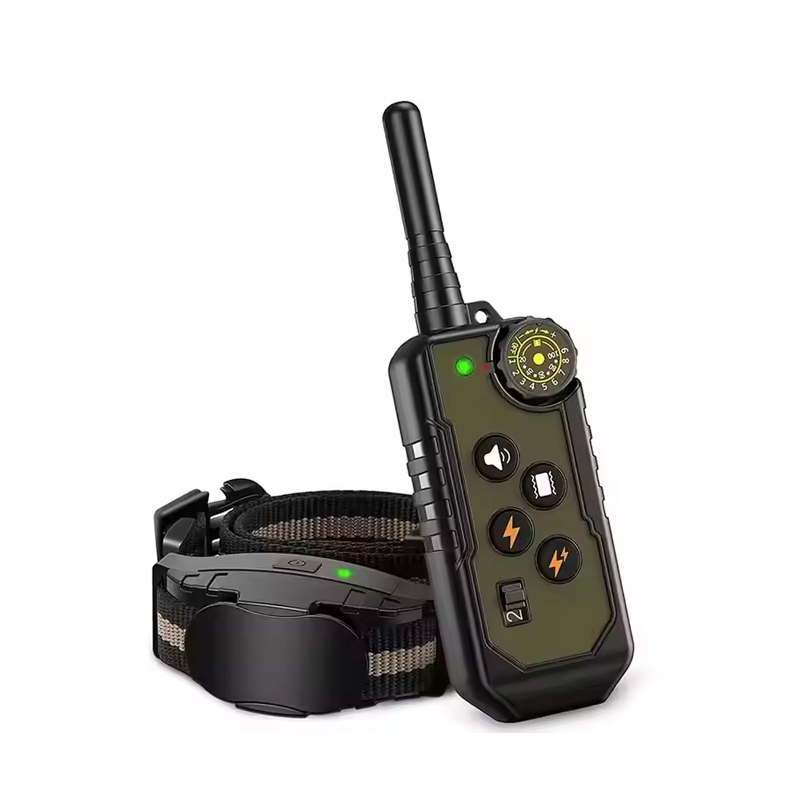
The Multi-mode, easy-to-operate training Shock Collar is designed to provide a practical solution for owners seeking a safe and effective way to train...
View More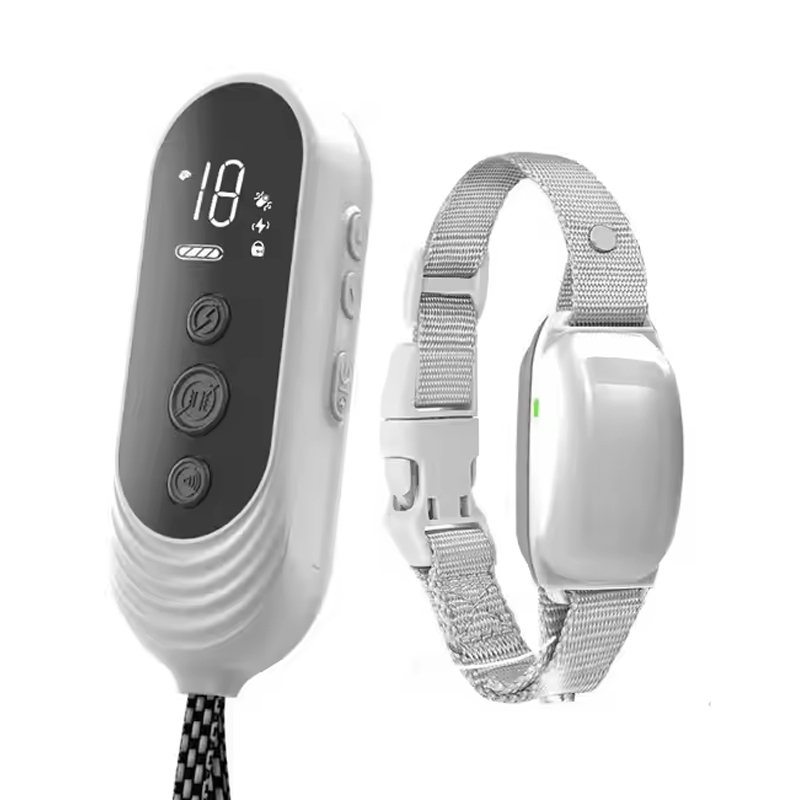
The Waterproof Adjustable Polyester Training Shock Collar offers a reliable solution for pet owners seeking a versatile and durable collar to enhance ...
View More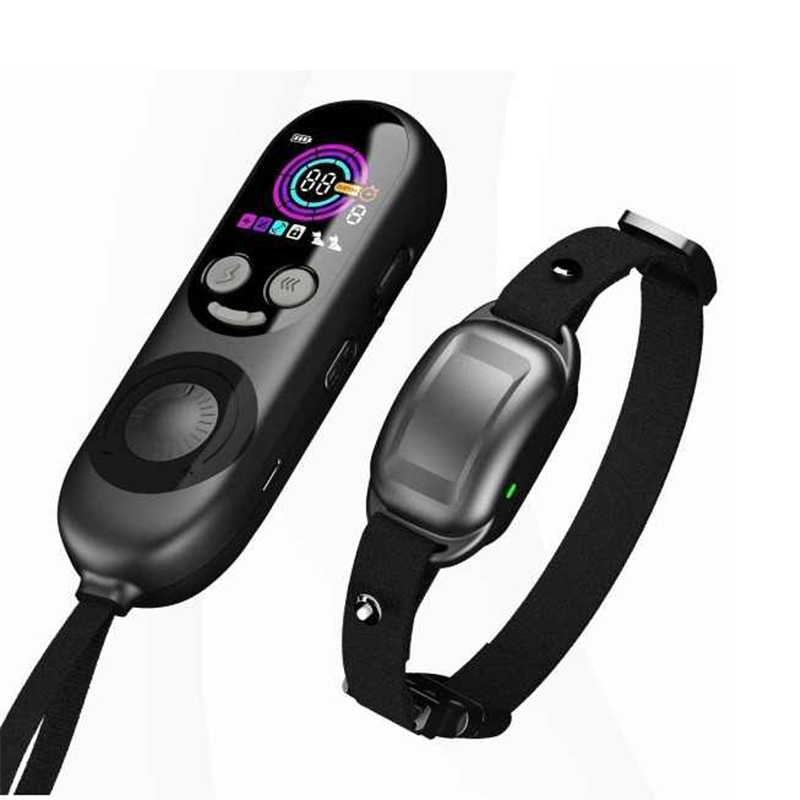
The Display Remote Control Training Shock Collar is designed to provide pet owners with a reliable and humane solution for training their dogs. Whethe...
View More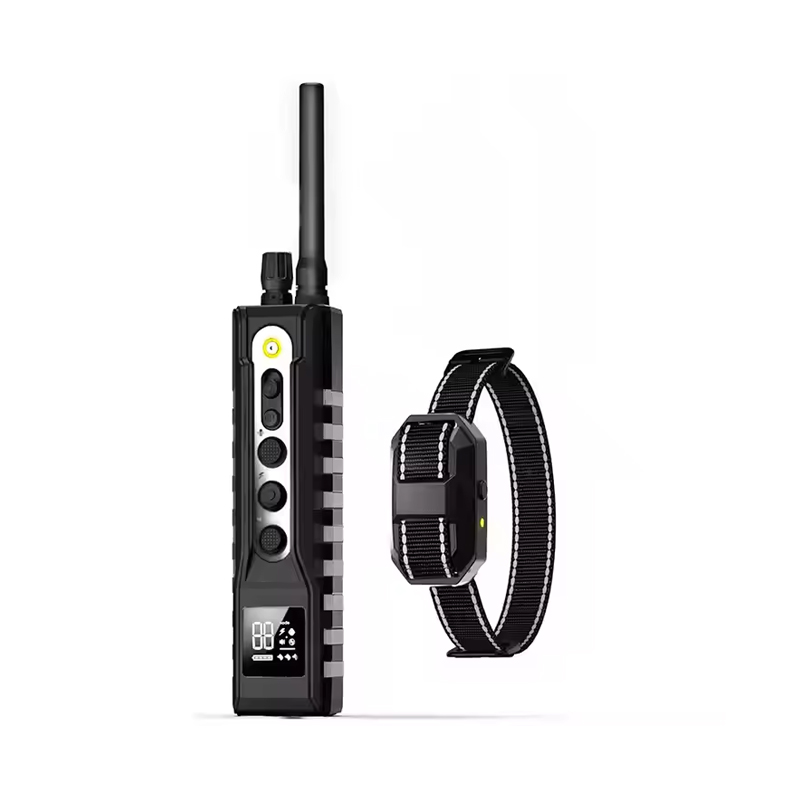
The Multi-function Long Distance Training Shock Collar is a highly versatile tool designed to support your dog’s training across various environment...
View More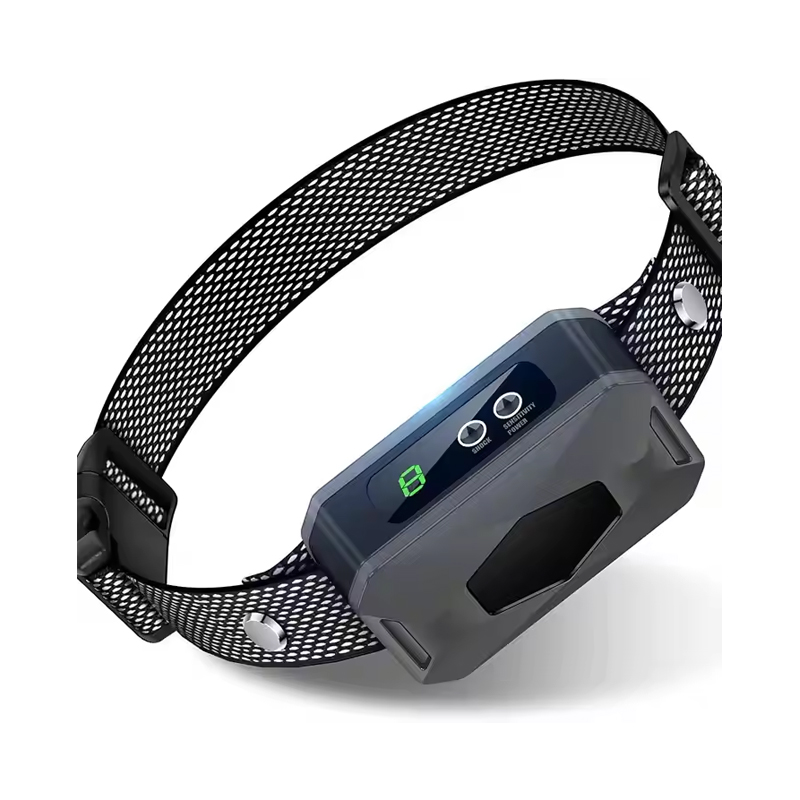
The Remote Control Waterproof Training Shock Collar is an advanced training tool designed to help pet owners effectively manage their dogs’ behavior...
View More
If you have any questions, please
get in touch with us.
E-mail: [email protected]
Address: No. 258, Qingchuan Road, Huzhen Town, Jinyun County, Lishui City, Zhejiang Province
Copyright © Zhejiang Beijing Technology Co., Ltd.

OEM/ODM Smart Pet Care Factory