
 EN
EN  English
 Español
 Français
 Deutsch
 Nederlands

- Type:
- Industry News
- Date:
- 2026-07-31

Industry News
How Does Cat Litter Box Automatic Cleaning Improve Daily Cat Care
Keeping a cat's living area clean is part of everyday pet care, but litter maintenance can turn into a repeated task that owners need to manage carefully. A litter box isn't just a spot for a cat to relieve itself — it shapes how clean the home feels, how comfortable the pet stays, and how much time the daily routine actually takes.
Traditional litter boxes ask for frequent scooping and manual checking. As households get busier, more cat owners are looking toward solutions that simplify that routine care while still respecting a cat's natural habits.
A Cat Litter Box Automatic Cleaning system changes how waste gets handled by introducing a more organized process. Rather than relying purely on manual removal, these products assist with separating, collecting, and regularly maintaining waste on their own.
That said, choosing and using this kind of system involves more than just the cleaning function itself. Cat acceptance, litter compatibility, product structure, upkeep requirements, and the home environment all shape the day-to-day experience.
Why Are Cat Owners Paying More Attention to Cat Litter Box Automatic Cleaning Systems
Interest in automatic cleaning solutions really comes down to one simple need: keeping the litter area manageable without piling extra pressure onto an already busy household routine.
Cleaning a litter box breaks down into several small, repeated tasks. Owners remove waste, check litter condition, manage odor, and keep the space comfortable for their cat. When these tasks pile up day after day, a lot of people start looking for a design that cuts down on the manual effort involved.
A Cat Litter Box Automatic Cleaning system focuses on making that process more consistent and organized. It doesn't erase every maintenance task, but it does help build a steadier routine around litter care.
| User Concern | How Automatic Cleaning Design Helps |
|---|---|
| Frequent manual scooping | Supports a more regular cleaning rhythm |
| Litter area upkeep | Helps separate waste from usable litter |
| Busy daily schedules | Cuts down on constant checking |
| Home cleanliness | Offers a more controlled way to collect waste |
Beyond simple convenience, a lot of owners also think about their cat's habits. Cats tend to notice changes around their living space quickly. A clean, familiar litter area tends to encourage comfortable use, while a poorly kept box can trigger unwanted behavior shifts.
For manufacturers, understanding these everyday concerns matters. Building a good Cat Litter Box Automatic Cleaning product isn't only about adding automated functions — it's about balancing technology, cat behavior, and the realities of home life.
How Does Cat Litter Box Automatic Cleaning Work During Daily Use
The basic concept behind automatic cleaning is straightforward: separate waste from the remaining litter right after a cat uses the box. Different products use different cleaning methods, but the underlying goal stays the same — making waste removal feel more organized and less hands-on.
A typical cleaning sequence usually includes:
- Detecting that the box has just been used
- Waiting a reasonable amount of time before starting the cleaning cycle
- Moving or filtering litter through the internal structure
- Collecting waste in a separate container
- Returning clean, usable litter back to the main area
Timing and operation genuinely shape the experience for both cat and owner. A cycle that starts too quickly can startle the cat mid-use, while one that runs too slowly might not match what the owner expects from the product.
The internal structure matters just as much. How litter physically moves, how waste gets collected, and how easily the parts come apart for cleaning all affect how well the system holds up over time.
| Design Area | Daily Use Consideration |
|---|---|
| Cleaning mechanism | Should move litter smoothly during regular cycles |
| Waste container | Needs to be easy to access for disposal |
| Internal surfaces | Should be simple to wipe down or clean |
| Operating process | Should work naturally alongside normal cat behavior |
A thoughtfully built Cat Litter Box Automatic Cleaning unit considers more than the mechanics alone — it also accounts for where the box actually sits in the home. Noise level, movement, and how easily a cat can get in and out all shape whether the product actually gets accepted and used.
Why Do Cats Need Time to Adapt to an Automatic Cleaning Litter Box
Cats generally lean toward familiar surroundings. When something new shows up in the house, some cats investigate right away, while others hang back and need more time before settling in comfortably.
An automatic system introduces things a traditional box simply doesn't have — new sounds, movement, an unfamiliar shape, or a cleaning rhythm the cat's never experienced before.
Helping a cat adjust usually calls for a gradual approach:
- Keep the old litter box available during the switch-over period
- Place the new unit somewhere the cat already feels comfortable
- Stick with familiar litter where possible
- Let the cat investigate the product at its own pace
Where the box sits in the home also shapes how well it gets accepted. A quiet spot with enough open space tends to feel more welcoming than a crowded or noisy corner.
For manufacturers, cat behavior plays a real role in how a Cat Litter Box Automatic Cleaning product gets designed. Steady, predictable operation, an easy entry point, and a comfortable interior all influence how quickly a cat warms up to a new system.
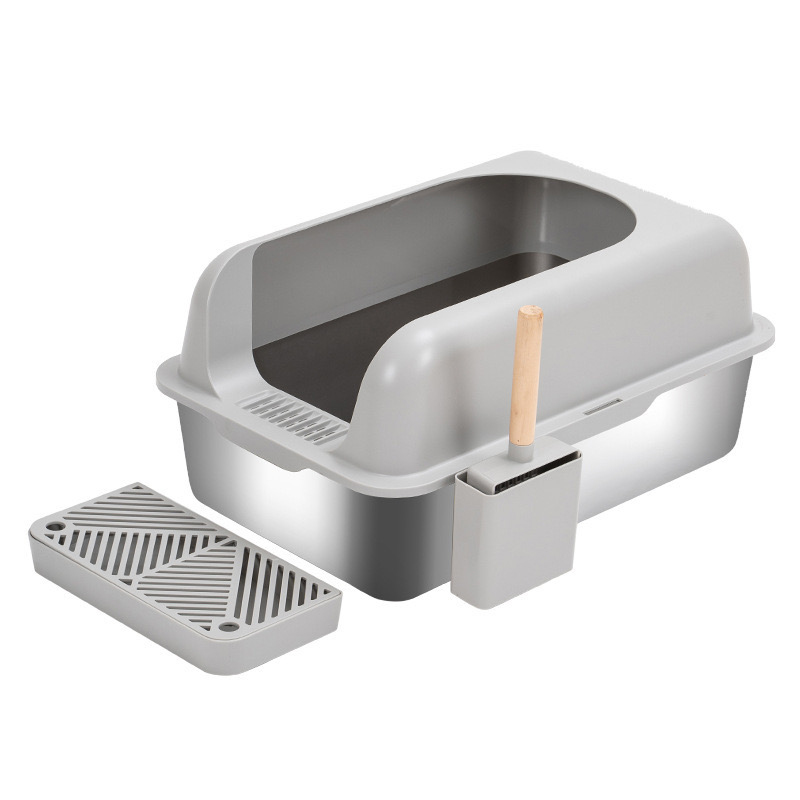
Which Cat Litter Types Are Suitable for a Cat Litter Box Automatic Cleaning System
The litter placed inside the box has a direct effect on how well the cleaning mechanism performs. Different materials vary in absorption, texture, and clumping behavior, and those differences matter more than people usually expect.
Some litter types pass through the cleaning structure smoothly, while others leave extra residue behind or demand more frequent attention.
| Litter Feature | Possible Effect |
|---|---|
| Particle size | Can affect filtering and general movement |
| Clumping ability | Shapes how well waste separates from clean litter |
| Moisture absorption | Influences overall cleaning results |
| Dust level | Affects cleanliness around the whole unit |
When picking litter, it helps to follow whatever recommendations come with the product and simply watch how the chosen litter behaves during normal use.
Finding a good match between litter and cleaning structure makes daily upkeep noticeably easier. Manufacturers generally factor this relationship into how internal components get designed, since the interaction between litter and machine shapes a big part of the overall experience.
What Features Should You Check Before Choosing a Cat Litter Box Automatic Cleaning Product
Choosing a Cat Litter Box Automatic Cleaning product takes more than confirming it can remove waste on its own. Owners generally need to think through how well it actually fits their home and their cat's particular habits.
Worth reviewing before buying:
- Cleaning method used
- Waste container design
- How easy the unit is to clean
- Entry space available for the cat
- Noise level during operation
- General maintenance requirements
A product that's simple to understand and simple to maintain tends to deliver a much smoother day-to-day experience.
| Feature | Why It Matters |
|---|---|
| Simple cleaning access | Makes routine upkeep less of a hassle |
| Practical waste storage | Helps manage disposal without extra effort |
| Suitable interior space | Supports the cat's comfort |
| Clear operating process | Helps owners use the product correctly from the start |
The right pick really depends on the specific household. A single-cat home has different needs than one with several cats sharing space. Available room, cleaning habits, and individual pet preferences all factor into the final decision.
How Does Design Affect the Daily Use of an Automatic Cleaning Litter Box
Product design touches nearly every part of daily interaction with the unit. A cleaning system might work perfectly well on a technical level, but users still notice details like how easy assembly is, how simple cleaning access feels, and how convenient the whole thing is in practice.
Removable parts, for instance, make regular washing far easier. A well-thought-out internal layout can also cut down on litter buildup in spots that are otherwise hard to reach.
Manufacturers tend to focus on practical elements such as:
- Smooth internal surfaces
- Easy-to-reach maintenance areas
- A stable, secure placement structure
- Waste removal that doesn't require extra tools or effort
Good design really comes down to the relationship between owner, cat, and product working together. The goal isn't just automating a chore — it's building something that fits naturally into everyday life without adding friction.
What Maintenance Tips Can Help Keep an Automatic Cleaning Litter Box Working Smoothly
Even with automation handling most of the work, regular maintenance still matters. A Cat Litter Box Automatic Cleaning system still needs some attention to keep running the way it should.
Basic habits worth building into a routine:
- Emptying the waste collection area on a regular basis
- Checking for leftover litter buildup inside the unit
- Cleaning removable parts periodically
- Inspecting moving components now and then
- Topping up or replacing litter as needed
How often this maintenance happens depends on usage patterns, the litter type chosen, and how many cats are sharing the household.
Following the manufacturer's care instructions closely also helps. Proper upkeep tends to cut down on common annoyances like lingering odor, litter buildup, or the unit interrupting itself mid-cycle.
A dependable routine usually comes from pairing automatic cleaning with a bit of simple, regular human attention — not from leaning on automation alone.
How Can Multi Cat Homes Use an Automatic Cleaning Litter Box More Comfortably
Multi-cat households face different challenges than single-cat homes. More frequent use means owners often need to pay closer attention to litter capacity, cleaning frequency, and how each individual cat responds to the setup.
Before bringing a Cat Litter Box Automatic Cleaning unit into a multi-cat home, it's worth thinking through:
- Whether the space feels comfortable for every cat using it
- Whether waste storage can keep up with household needs
- Whether all the cats are willing to share the same litter area
- Whether extra cleaning steps might be needed on top of the automated cycle
Cats often have their own individual preferences. Some are perfectly happy sharing one space, while others clearly prefer having their own separate area. Watching how each cat behaves around the unit helps owners figure out the setup that actually works best for their household.
For manufacturers, multi-cat use brings its own set of design considerations. A roomier interior, easy cleaning access, and thoughtful waste management all help a Cat Litter Box Automatic Cleaning product hold up well across busier, more demanding households.
A well-chosen Cat Litter Box Automatic Cleaning setup fits into a broader approach to modern pet care — one that pairs sensible design, compatible materials, and steady maintenance to help owners manage litter care while keeping their cats' daily routine calm and comfortable.
Related Products
-
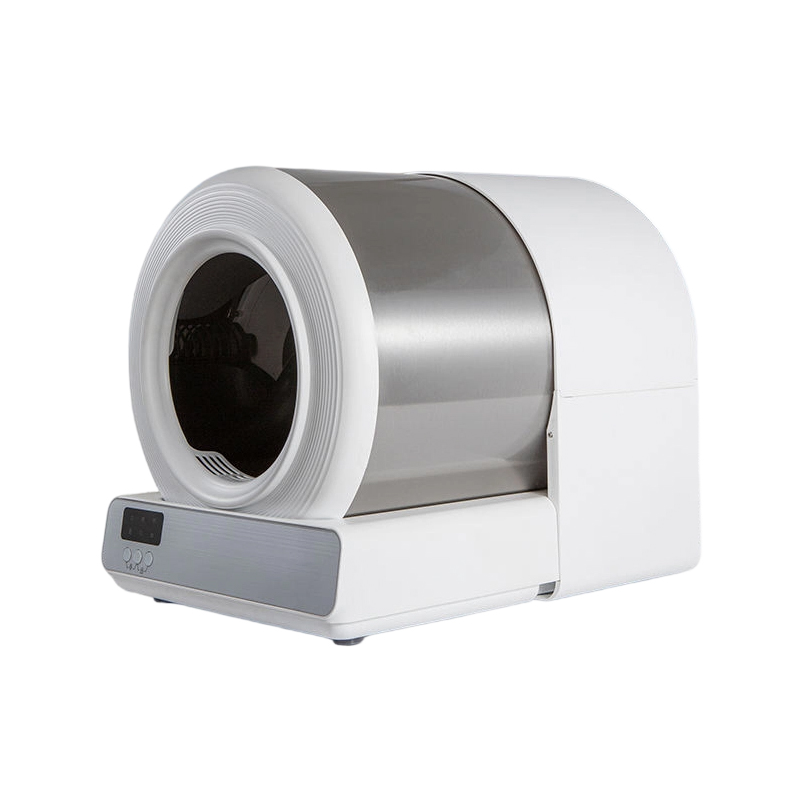
Cat Litter Tray For Multiple Cats Automatic Cat Litter Tray
Cat Litter Tray for Multiple Cats Automatic Cat Litter Tray – Product Features The high-pressure washable, safety-focused design facilitates compr...
View More -
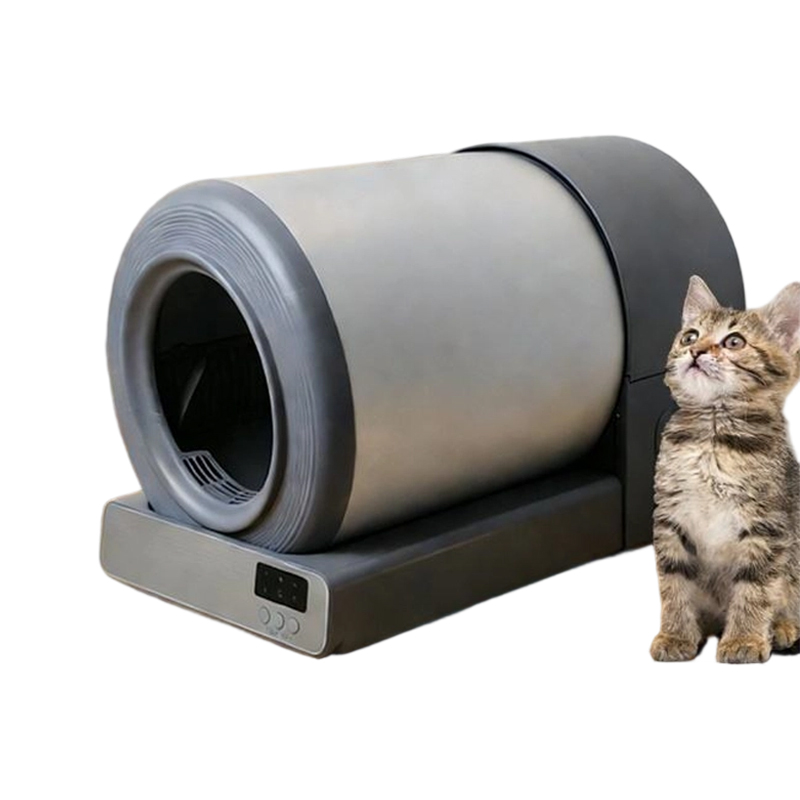
Self-Cleaning Stainless Steel Smart Cat Litter Tray
Self-Cleaning Stainless Steel Smart Cat Litter Tray – Product FeaturesThe preferred choice for non-profit organisations; compatible with open-top bi...
View More -
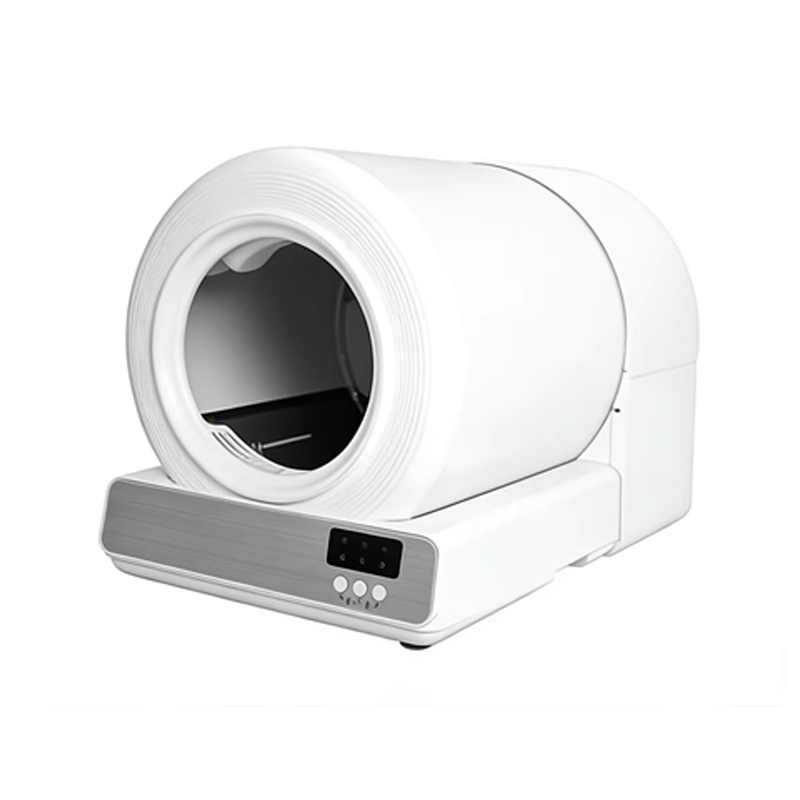
Second-Generation Fully Automatic Cat Litter Tray
Second-Generation Fully Automatic Cat Litter Tray – Product Features With a large 65-litre capacity, it easily accommodates a substantial amount of ...
View More -
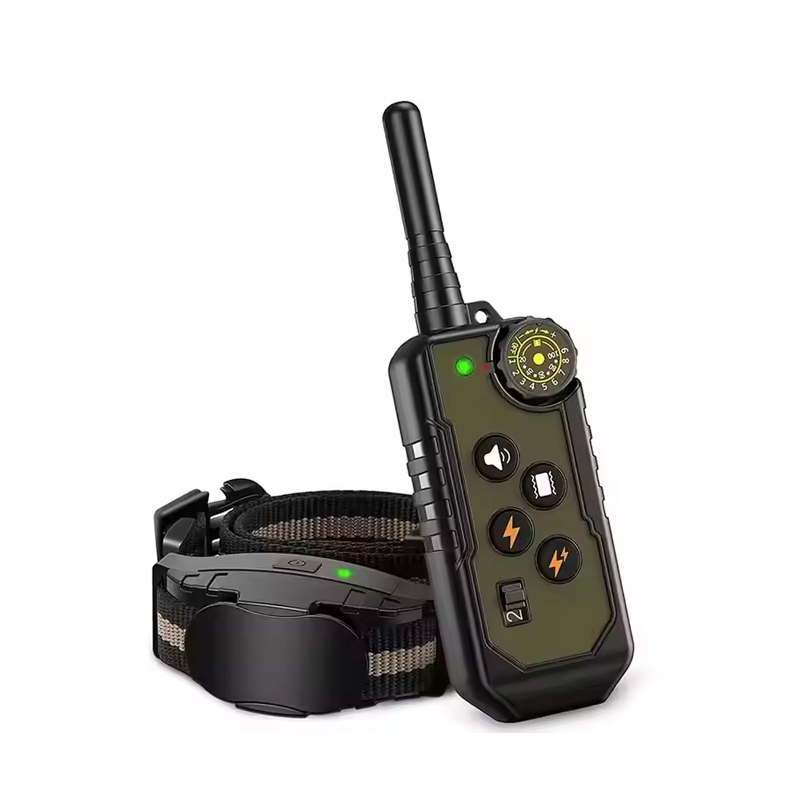
Multi-Mode Easy To Operate Training Shock Collar
The Multi-mode, easy-to-operate training Shock Collar is designed to provide a practical solution for owners seeking a safe and effective way to train...
View More -
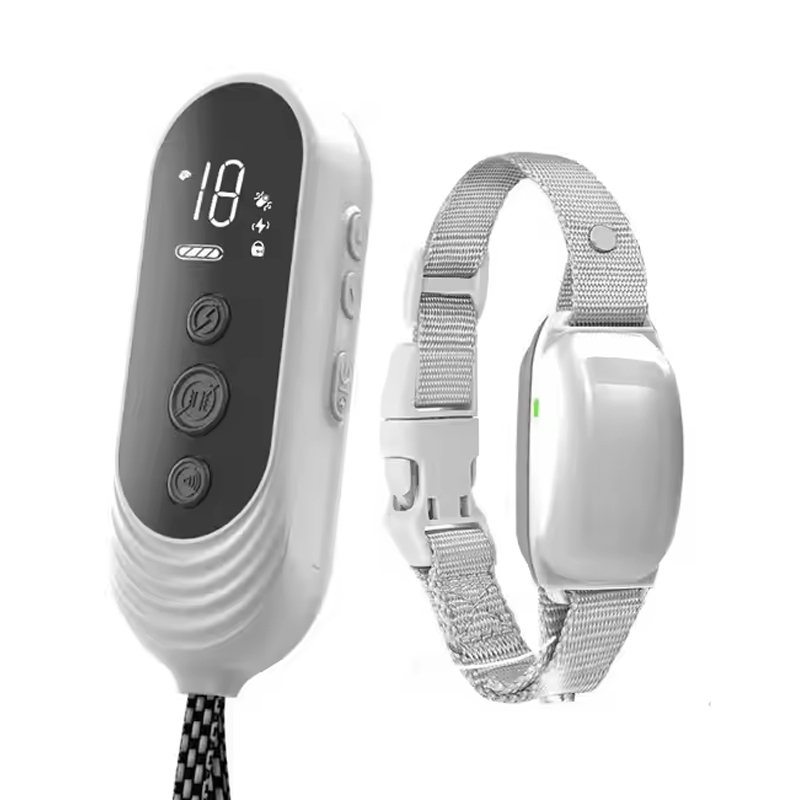
Waterproof Adjustable Polyester Training Shock Collar
The Waterproof Adjustable Polyester Training Shock Collar offers a reliable solution for pet owners seeking a versatile and durable collar to enhance ...
View More -
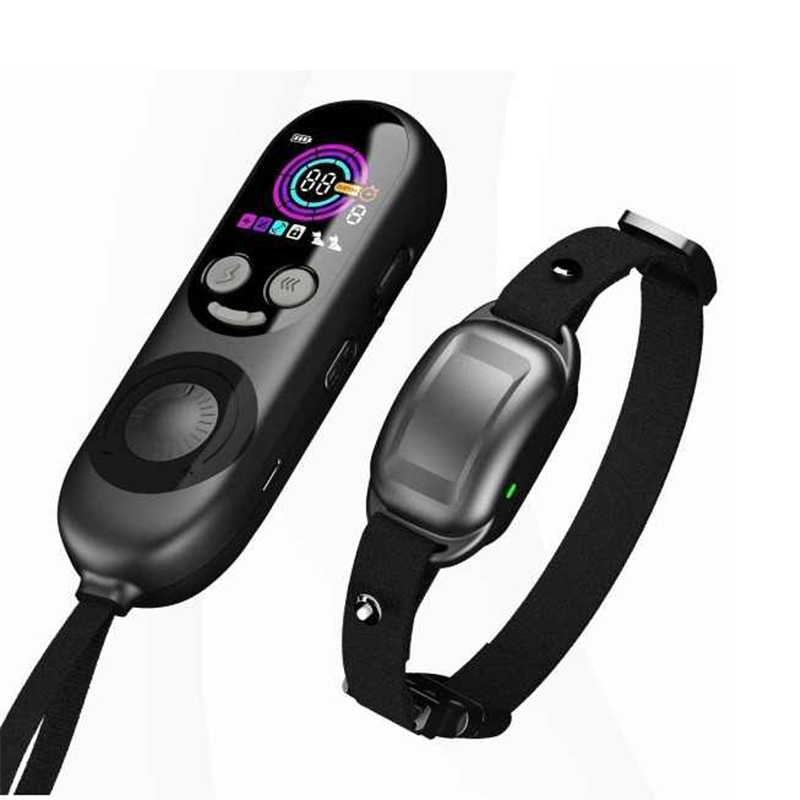
Display Remote Control Training Shock Collar
The Display Remote Control Training Shock Collar is designed to provide pet owners with a reliable and humane solution for training their dogs. Whethe...
View More -
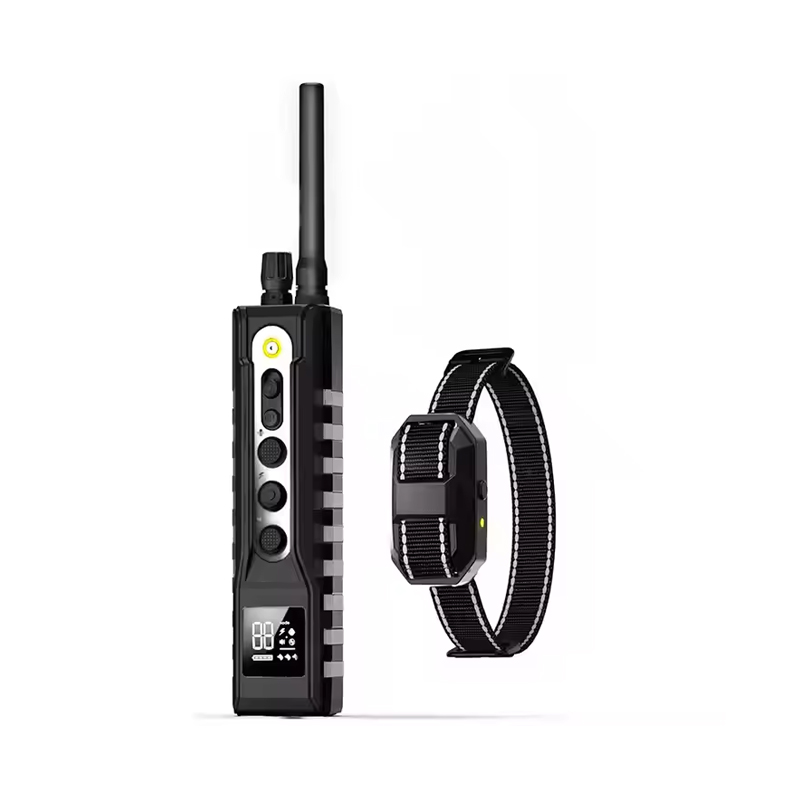
Multi-Function Long Distancetraining Shock Collar
The Multi-function Long Distance Training Shock Collar is a highly versatile tool designed to support your dog’s training across various environment...
View More -
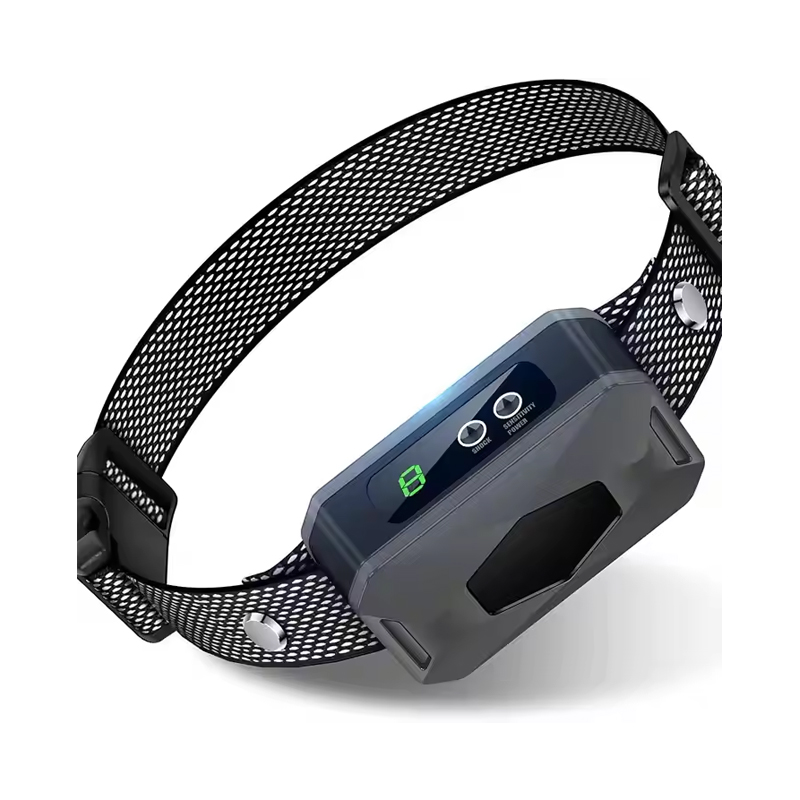
Remote Control Waterproof Training Shock Collar
The Remote Control Waterproof Training Shock Collar is an advanced training tool designed to help pet owners effectively manage their dogs’ behavior...
View More
Pet Products
If you have any questions, please
get in touch with us.
+86-13486854214
E-mail: [email protected]
Address: No. 258, Qingchuan Road, Huzhen Town, Jinyun County, Lishui City, Zhejiang Province
Copyright © Zhejiang Beijing Technology Co., Ltd.

OEM/ODM Smart Pet Care Factory