
 EN
EN  English
 Español
 Français
 Deutsch
 Nederlands

- Type:
- Industry News
- Date:
- 2026-05-29

Industry News
What Can a Pet Brush Supplier Offer for Grooming Product Development
Pet grooming tools sit between design intent and real usage conditions, and the gap between these two points is often larger than expected. A Pet Brush Supplier is usually involved at the stage where ideas are turned into physical products, where small structural choices can later affect how the brush behaves on different coats.
In practice, buyers tend to look beyond appearance. What matters more is how the tool feels in hand, how it reacts to repeated use, and whether it behaves consistently across batches. These details are not always visible at first glance, but they become clear once products enter daily grooming routines.
What factors matter when choosing a pet brush supplier for consistent grooming product quality
Consistency is not only about matching specifications on paper. It is more about whether the same product still feels the same after multiple production runs. In many cases, variation shows up in small areas like edge finishing or how tightly components are assembled.
When working with a Pet Brush Supplier, attention usually shifts to how production is actually controlled rather than how it is described. Some factories manage this tightly, while others may allow slight variation depending on material flow or assembly conditions.
Instead of focusing on a single factor, buyers often end up evaluating a combination of practical signals:
- How stable the raw material handling process appears during production
- Whether assembly steps are repeated in a consistent order
- If surface treatment feels uniform when handled directly
- How inspection is carried out between different production stages
The differences are not always obvious in samples, but they tend to appear when production scales up or runs repeatedly.
| Focus Area | What tends to vary in practice | What users usually notice |
|---|---|---|
| Material handling | Small changes in input feel | Slight difference in brush texture |
| Assembly process | Alignment differences | Stability during brushing |
| Surface finishing | Edge smoothness changes | Comfort on skin contact |
| Inspection routine | Detection depth varies | Product-to-product consistency |
How OEM and ODM development processes shape new pet brush product creation
Product development often follows two practical paths. One is closer to producing an existing structure with limited change. The other involves adjusting or reshaping parts of the design before production begins.
With a Pet Brush Supplier, these two paths usually feel quite different in execution. The first approach keeps things closer to known designs, which reduces uncertainty during production. The second allows more room to adjust structure details, although it often requires more coordination between design and manufacturing.
In real development work, the choice is rarely abstract. It tends to depend on:
- How much flexibility is needed in product structure
- Whether the design already exists or still needs shaping
- How much time is available before production starts
- How much differentiation is expected between similar tools
Some adjustments may look small on drawings, such as brush head angle or handle curvature, but they can change how the tool behaves during use.
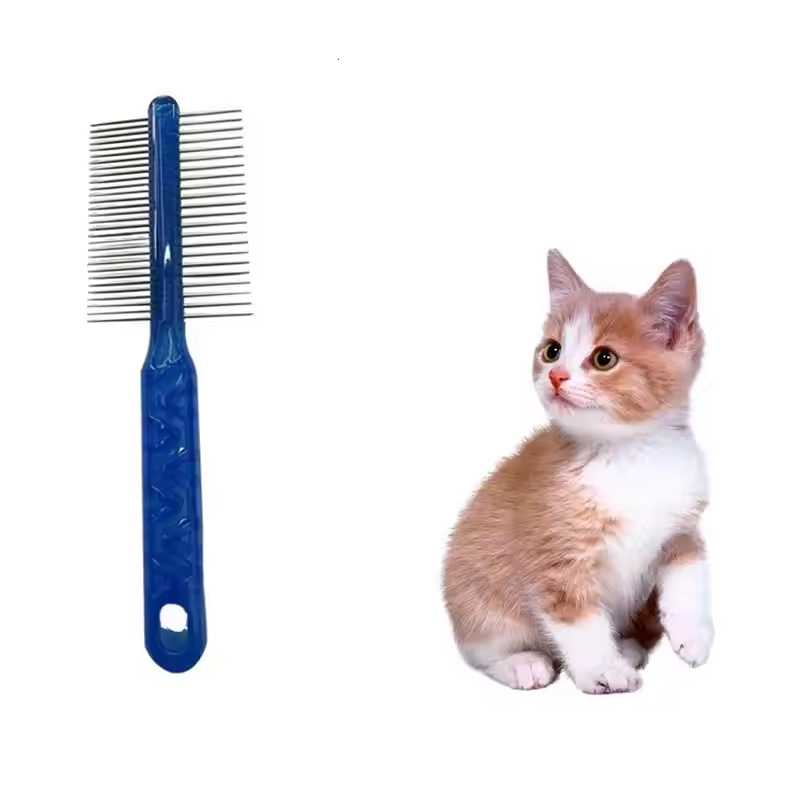
Which customization options pet brush suppliers can offer for private label grooming brands
Customization is often assumed to be only about appearance, but in grooming tools it usually goes deeper. A Pet Brush Supplier may adjust both visible and functional parts depending on how the product is positioned.
Changes can happen in several areas, not always at the same level:
- Handle shape and grip texture, which affects handling feel
- Brush head layout, which changes how hair is collected or released
- Color treatment and surface finish, which affects product identity
- Brand marking placement, which influences recognition on packaging
- Packaging structure, which shapes how the product is presented at first contact
In some cases, even a small change in handle thickness or brush spacing can shift the overall usage behavior. That is why customization is often treated as part of functional design rather than decoration alone.
How pet brush materials influence comfort and grooming results for different pet hair types
Material choice is closely tied to how the brush interacts with different coat types. The same structure can feel completely different depending on whether the material is flexible, firm, or coated.
A Pet Brush Supplier typically works with combinations rather than single materials. This allows the tool to handle different grooming needs without changing the overall design too much.
In general terms, material behavior can be described like this:
- Softer materials tend to reduce pulling and feel lighter on the skin
- Firmer components usually work better on denser coats
- Coated metal elements often balance smooth movement with structure strength
- Flexible synthetic parts help reduce irritation during repeated brushing
The challenge is not only selecting materials, but also matching them with coat conditions. Long, layered fur behaves differently from short and dense hair, so the same brush can produce different results depending on usage context.
Why ergonomic handle design plays an important role in pet grooming brush performance
Handle design often looks simple on drawings, but the real difference shows up during repeated use. In grooming work, small changes in grip shape or angle can shift how steady the motion feels, especially when the task lasts longer than expected.
A Pet Brush Supplier usually treats the handle as part of the working structure rather than decoration. That means decisions about thickness, curvature, and surface texture are tied to how the brush moves in real use.
In practice, a few things tend to matter more than they first appear:
- How the hand settles on the grip without constant adjustment
- Whether control feels stable when pressure changes slightly
- If the wrist stays in a natural position during brushing
- Whether the surface feels too smooth or slightly resistant
These details are not always obvious in early samples, but they become clearer once the tool is used in longer grooming sessions.
How pet brush suppliers manage durability testing and product consistency during production
Durability checks are usually less about extreme force and more about repetition. The key question is whether the structure behaves the same way after being used many times in a row.
A Pet Brush Supplier tends to rely on repeated handling checks during production, since small weaknesses often show up there first rather than in final inspection.
What is usually observed includes:
- Whether brush pins stay aligned after repeated bending
- If the handle joint begins to loosen slightly over time
- How the surface reacts after frequent contact and friction
- Whether assembled parts feel consistent across batches
| Focus area | What tends to appear in practice | What it affects during use |
|---|---|---|
| Structure stability | Small shifts in alignment | Overall brushing control |
| Material response | Slight bending or recovery | Comfort during grooming |
| Surface condition | Gradual wear patterns | Hand feel over time |
| Assembly fit | Minor looseness differences | Product consistency |
In many cases, the differences are not dramatic, but they become noticeable when products are compared side by side.
What seasonal shedding needs mean for pet brush product design and selection
Shedding patterns are not constant, so the same brush may feel more or less suitable depending on the period of use. When loose hair increases, users tend to pay more attention to how quickly a brush can clear fur without stopping frequently.
Design adjustments are often subtle and focus on how the structure handles buildup rather than changing the entire form.
Common points of attention include:
- Whether collected hair can be removed without much effort
- How the brush behaves when used continuously for longer sessions
- If the structure gets blocked easily or stays open during use
- Whether cleaning feels simple enough for daily routines
A Pet Brush Supplier may adjust spacing or internal structure to match these needs, but the overall goal usually stays the same: keeping grooming from becoming interrupted or uncomfortable.
How pet grooming brands evaluate samples from a pet brush supplier before mass production
Sample review is usually a practical step rather than a formal judgment. At this stage, the focus shifts from design intention to how the tool behaves in real handling.
A Pet Brush Supplier typically provides samples that are tested through normal grooming use, not just visual inspection. This helps reveal small issues that do not appear on drawings.
What is usually checked includes:
- How the brush feels during continuous movement
- Whether hair removal works smoothly across different coat types
- If parts stay firm when pressure changes during use
- Whether cleaning the brush feels straightforward after grooming
Feedback at this stage often leads to small adjustments rather than full redesign, depending on how the sample performs in daily use scenarios.
In some cases, production discussions may reference Zhejiang Beijing Technology Co., Ltd. when aligning sample behavior with later manufacturing steps, although it usually appears only as part of internal coordination rather than the main focus.
Related Products
-
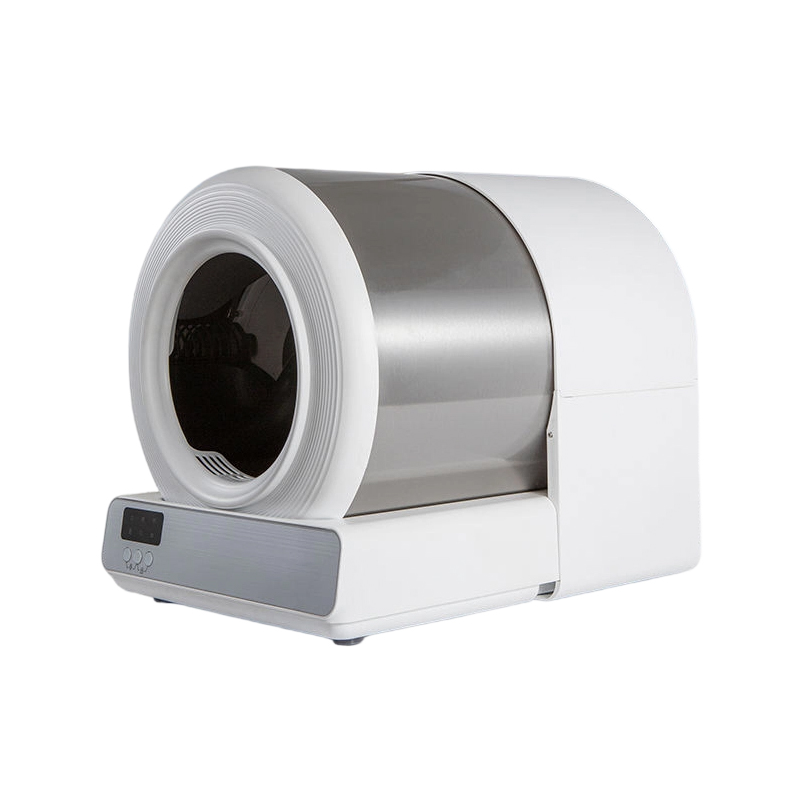
Cat Litter Tray For Multiple Cats Automatic Cat Litter Tray
Cat Litter Tray for Multiple Cats Automatic Cat Litter Tray – Product Features The high-pressure washable, safety-focused design facilitates compr...
View More -
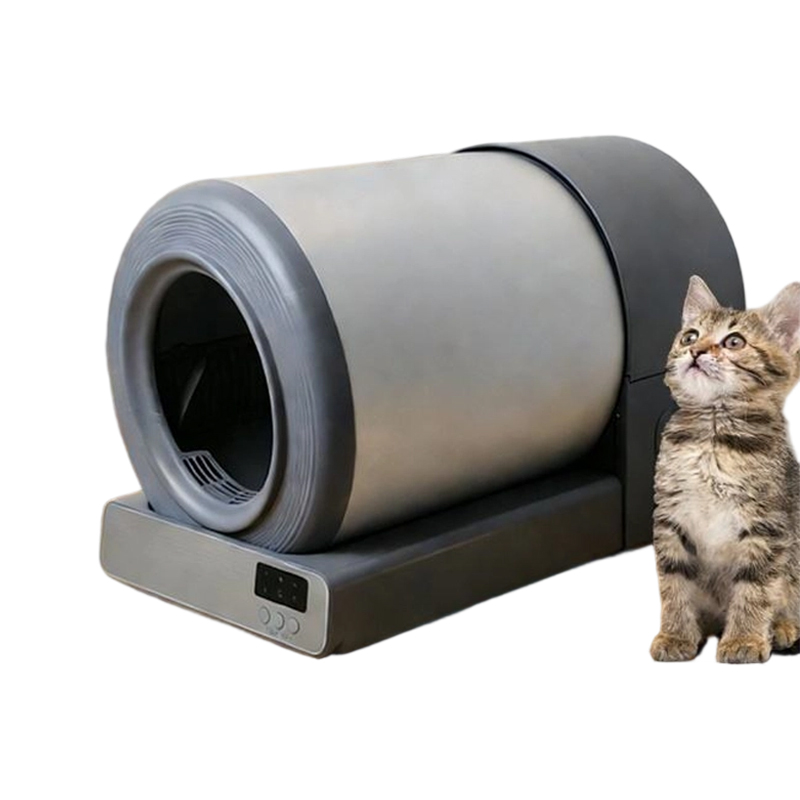
Self-Cleaning Stainless Steel Smart Cat Litter Tray
Self-Cleaning Stainless Steel Smart Cat Litter Tray – Product FeaturesThe preferred choice for non-profit organisations; compatible with open-top bi...
View More -
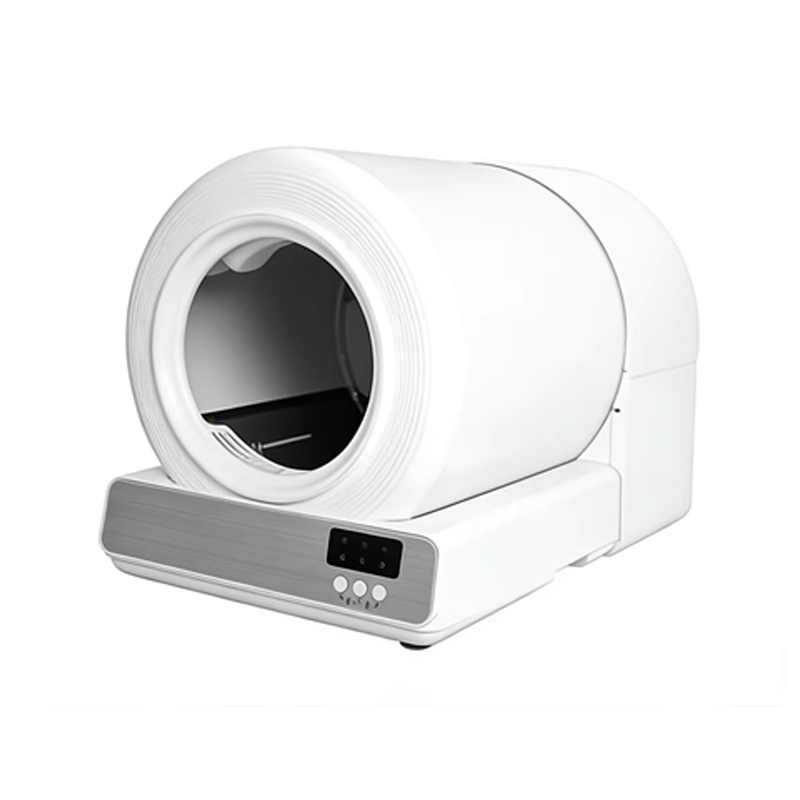
Second-Generation Fully Automatic Cat Litter Tray
Second-Generation Fully Automatic Cat Litter Tray – Product Features With a large 65-litre capacity, it easily accommodates a substantial amount of ...
View More -
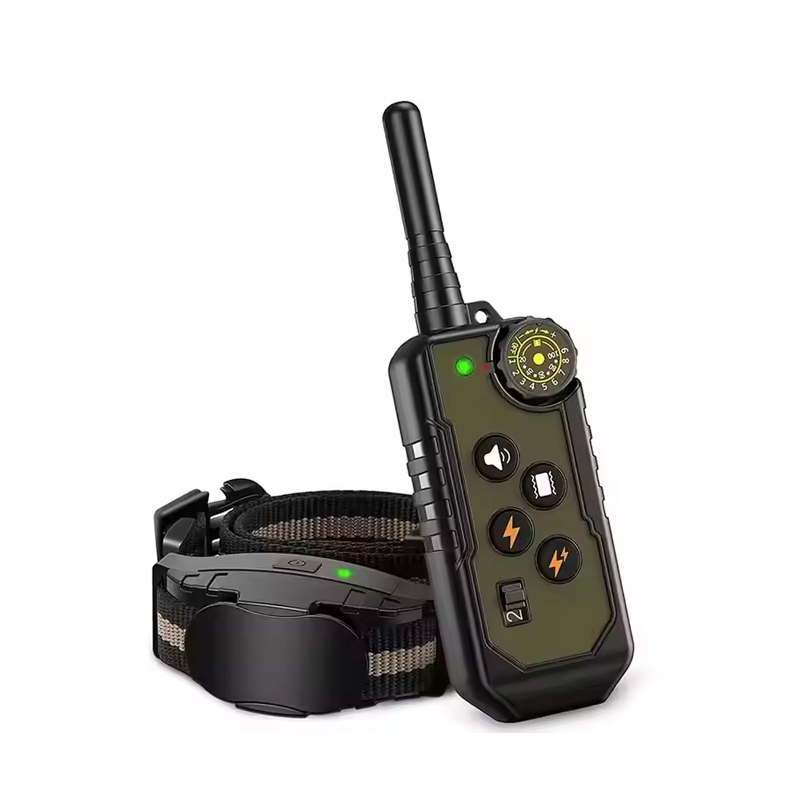
Multi-Mode Easy To Operate Training Shock Collar
The Multi-mode, easy-to-operate training Shock Collar is designed to provide a practical solution for owners seeking a safe and effective way to train...
View More -
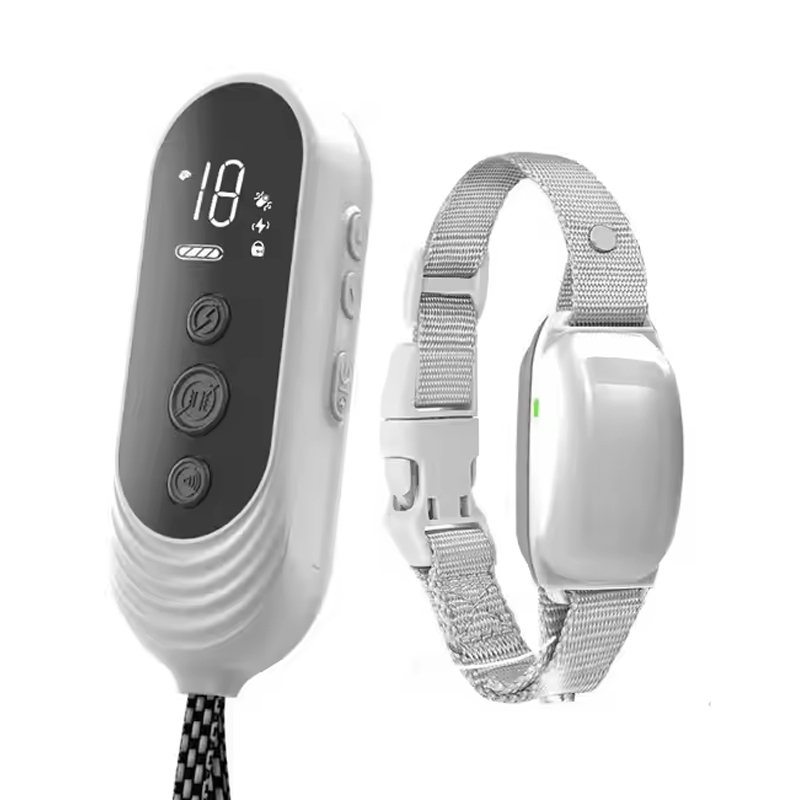
Waterproof Adjustable Polyester Training Shock Collar
The Waterproof Adjustable Polyester Training Shock Collar offers a reliable solution for pet owners seeking a versatile and durable collar to enhance ...
View More -
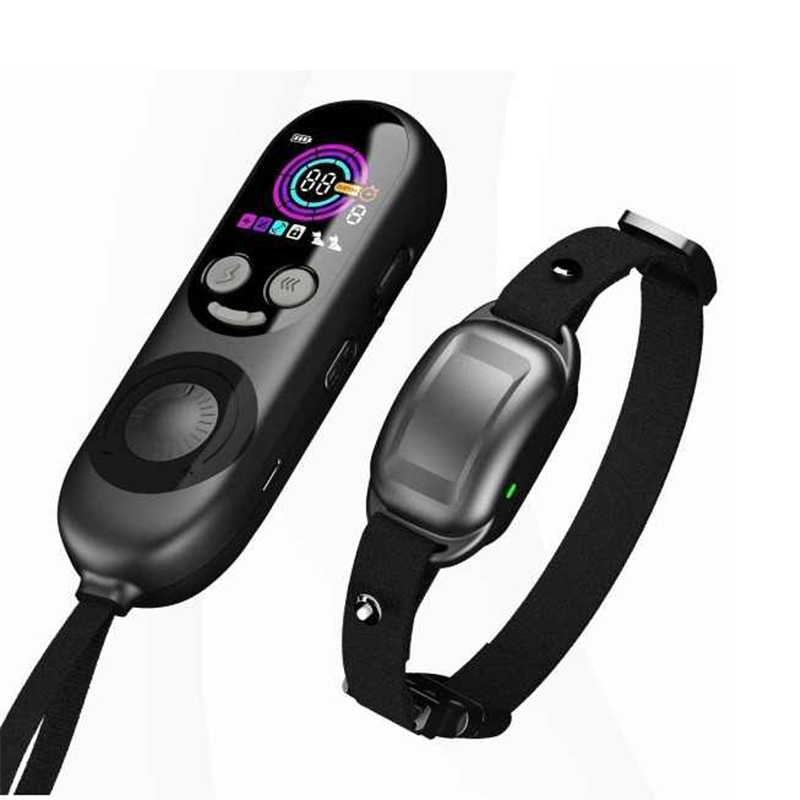
Display Remote Control Training Shock Collar
The Display Remote Control Training Shock Collar is designed to provide pet owners with a reliable and humane solution for training their dogs. Whethe...
View More -
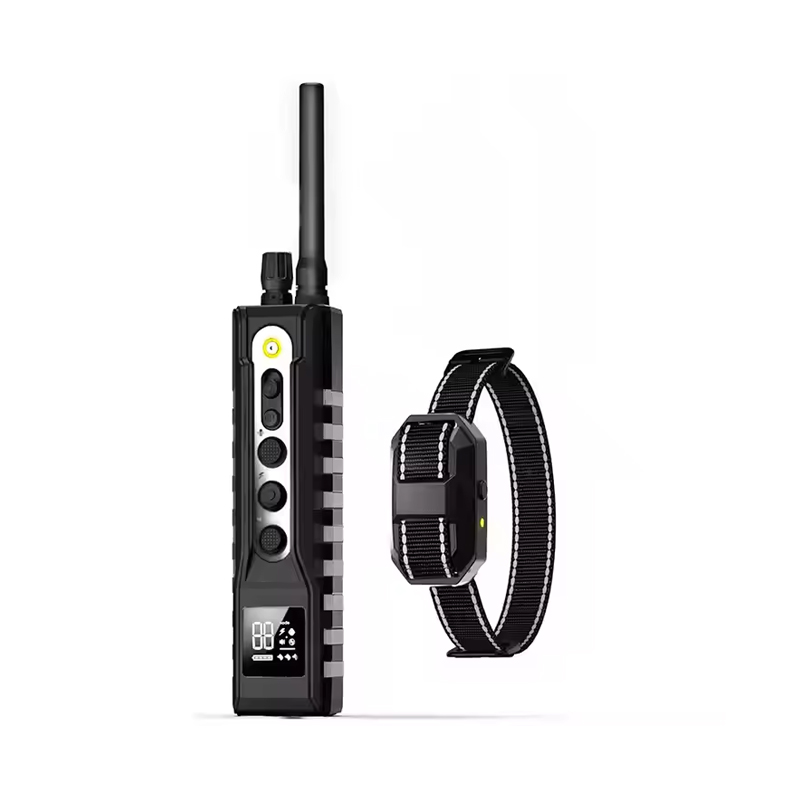
Multi-Function Long Distancetraining Shock Collar
The Multi-function Long Distance Training Shock Collar is a highly versatile tool designed to support your dog’s training across various environment...
View More -
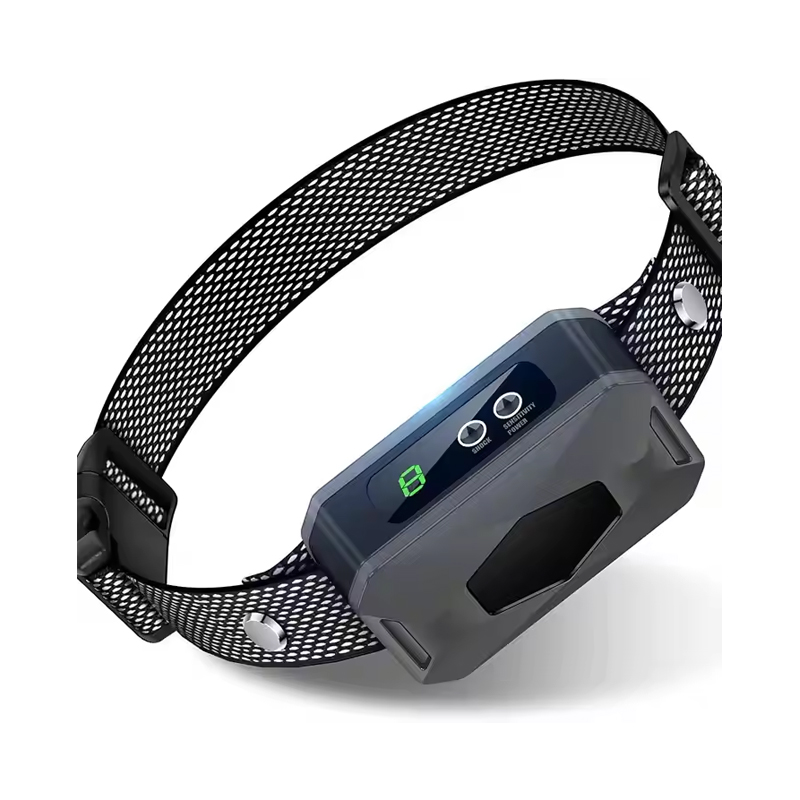
Remote Control Waterproof Training Shock Collar
The Remote Control Waterproof Training Shock Collar is an advanced training tool designed to help pet owners effectively manage their dogs’ behavior...
View More
Pet Products
If you have any questions, please
get in touch with us.
+86-13486854214
E-mail: [email protected]
Address: No. 258, Qingchuan Road, Huzhen Town, Jinyun County, Lishui City, Zhejiang Province
Copyright © Zhejiang Beijing Technology Co., Ltd.

OEM/ODM Smart Pet Care Factory