
 EN
EN  English
 Español
 Français
 Deutsch
 Nederlands

- Type:
- Industry News
- Date:
- 2026-08-14
Industry News
Home / News / Industry News / How Does an Automatic Cat Litter Box Factory Build Products from Ideas

Every automatic cat litter box on the market started out as something pretty simple: someone wanted a cleaner, less annoying way to handle a daily chore that most pet owners would rather skip entirely. Getting from that basic idea to an actual product sitting in someone's home takes real cooperation between designers, engineers, production teams, and eventually the customers using the thing. An Automatic Cat Litter Box Factory sits right at the center of that process, bridging the gap between what a brand imagines and what's actually possible to build.
A product idea usually carries a bunch of assumptions baked in — about how easy it should be to clean, how much space it'll take up, what it should look like, how it operates, and what kind of upkeep it demands. Turning all of that into something real, though, takes careful planning rather than just wishful thinking. The factory has to weigh structure, material choices, production methods, and the actual user experience at every stage along the way.
For pet product brands, partnering with a manufacturer isn't just about churning out units. It's about landing on something that genuinely fits what the market wants and holds up to daily use. Every step, from those first design conversations to the final inspection before shipping, shapes how the finished product actually performs once it's out in someone's living room.
Getting a sense of how factories actually build these products helps brands make sharper decisions when they're planning something new. It also gives buyers a clearer picture of everything happening behind the scenes before a product ever reaches a shelf.
Most product concepts start with something pretty ordinary — a brand noticing the everyday frustrations cat owners deal with, whether that's the cleaning routine, limited space, or just wanting something that doesn't demand constant fiddling. The factory's job from there is to look at these observations and figure out how they might actually become a workable product.
Early on, teams typically sit down and hash out what the product is for, what it should do, how it should look, and what production will realistically require. These conversations matter because they set the direction before any manufacturing actually begins.
An Automatic Cat Litter Box Factory has to juggle creative vision against what's actually feasible to produce. Some ideas need tweaking once material limitations, structural realities, or assembly logistics come into the picture. Working through this early, rather than discovering problems mid-production, tends to save everyone a lot of headache later.
A few things matter quite a bit during this planning phase:
Moving from a raw idea to a finished product isn't really one clean step — it's an ongoing back-and-forth between brand and factory teams. Sharing information clearly throughout that process helps land on a direction that satisfies both what users expect and what manufacturing can realistically deliver.
Finding the right manufacturing partner takes a bit of homework. Brands generally need a solid sense of how a given factory handles communication, product development, production organization, and quality oversight before committing to anything.
Before cooperation even starts, it helps to walk in with clear information about what the product's actually meant to achieve — design preferences, expected functions, packaging needs, and how customers will actually use the thing day to day.
A cooperation process that works well tends to follow a fairly consistent pattern:
| Cooperation Stage | Main Focus |
|---|---|
| Product discussion | Sharing ideas, requirements, and usage goals |
| Design review | Checking structure, appearance, and practicality |
| Sample development | Reviewing product details and possible adjustments |
| Production preparation | Confirming manufacturing arrangements and processes |
Communication really is the backbone of the whole thing. When both sides genuinely understand what the other expects, the development process ends up far easier to manage than when everyone's guessing.
It's also worth paying attention to how a factory reacts when design changes come up mid-process. A manufacturer that communicates flexibly makes it much easier to adjust products based on feedback or shifting market needs, rather than treating every change as a disruption.
A dependable partnership generally builds up over repeated cooperation rather than a single order. Getting familiar with how a factory actually works day to day helps brands put together development plans that go a lot more smoothly from the start.
Design shapes almost everything about how cats and their owners actually interact with a product. Cats vary quite a bit in size, habits, and general temperament, so a design that works well needs to account for a range of different usage situations.
A thoughtfully planned structure influences cleaning convenience, how accessible the unit feels, and how smoothly it fits into daily operation. Designers generally focus on things like interior space, how the entrance is shaped, how waste gets collected, and where controls end up placed.
A few design considerations come up again and again:
Appearance matters here too, even for something as functional as a litter box. Plenty of brands lean toward designs that blend into different home environments without sacrificing how the product actually performs.
The manufacturing side has to connect these visual ideas with what's realistically producible. A design that looks great on paper still needs to hold up once it's actually being manufactured and assembled at scale.
By weighing both pet behavior and owner expectations together, factories end up helping brands create something that genuinely fits into modern households rather than just looking good in a product photo.
Cleaning convenience sits pretty high on the list of priorities when developing this kind of product. Owners generally want something that cuts down on daily effort while still keeping things comfortable for their cat.
Getting the cleaning structure right takes careful thought. Designers have to consider how waste actually moves through the system, how individual parts come apart for cleaning, and how straightforward the whole maintenance process feels for the person using it.
| Design Area | Development Consideration |
|---|---|
| Waste collection | Creating practical methods for handling collected waste |
| Internal structure | Supporting easier cleaning access |
| Replaceable parts | Helping users maintain the product regularly |
| Surface design | Considering cleaning convenience |
The factory has to weigh these details carefully during development, since small structural decisions can end up shaping the user experience for years down the line.
Material choice ties directly into maintenance too. Different materials affect how something gets cleaned, how long it holds up, and how it looks after months of regular use.
A cleaning design that's genuinely well thought out helps the product blend naturally into daily pet care routines, rather than becoming yet another chore that gets put off.
Customization gives brands room to build products that actually match their market positioning and what their customers expect. Plenty of pet product companies work directly with manufacturers to adjust appearance, structure, packaging, or specific functions.
An Automatic Cat Litter Box Factory can generally support a wide range of customization needs, provided communication stays clear throughout the development process.
Common areas brands tend to focus on when customizing:
During this process, brands need to be specific about what they want while staying realistic about production limitations. From there, the factory team can review those requirements and suggest solutions that actually work in practice.
OEM cooperation doesn't stop at changing the surface look of something that already exists, either. It can extend into developing entirely new product concepts built around a specific market's needs.
A customization process that goes smoothly really comes down to clear communication, realistic expectations, and genuine cooperation between both sides throughout.
Manufacturing is really a string of small steps, each one shaping how the finished product turns out. Assembly management exists to make sure all the different components actually come together and function properly once combined.
During production, teams generally check a handful of things — how components connect structurally, whether parts are placed correctly, and how the whole unit performs once assembled.
Quality management usually touches on:
The factory team has to keep a consistent working process running while also staying responsive to whatever specific requirements different brands bring to the table.
Production management isn't just about getting assembly done, either. It also means catching potential issues as they come up during manufacturing and making adjustments before they turn into bigger problems.
A careful, attentive approach to production tends to cut down on unexpected surprises and supports a much steadier working relationship between manufacturer and brand over time.
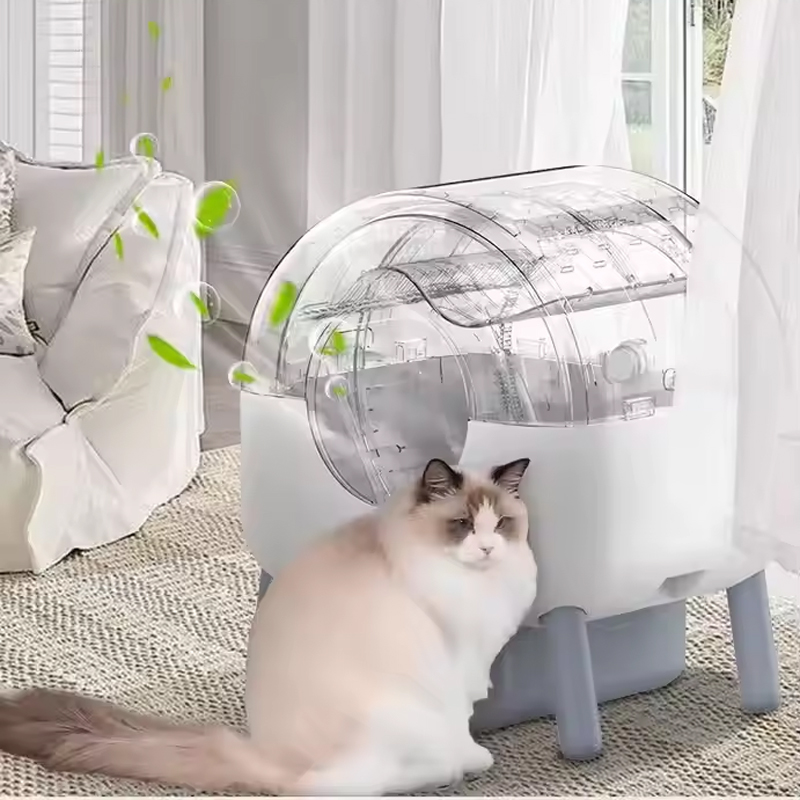
Before anything ships out, testing helps confirm the design actually holds up to what was originally expected. Functional checks let manufacturers look closely at different parts of the product before it ever reaches a customer.
Testing generally focuses on things like:
The point of all this testing is to catch issues early and fix them before they become someone else's problem. Different features naturally call for different inspection approaches.
Automatic cleaning functions, for instance, need to be checked together with the waste collection structure, since the two work as a system rather than in isolation. Control systems, similarly, need testing that accounts for how people actually operate them in real life, not just under lab conditions.
An Automatic Cat Litter Box Factory generally leans on its production experience alongside structured testing procedures to review a product's condition before it ever heads out the door.
Careful inspection at this stage helps brands receive products that genuinely match what was agreed on, which in turn supports a much better experience for customers once the product actually launches.
Long-term maintenance deserves real attention during development, not just an afterthought tacked on once the design's already locked in. A product that's easier to maintain ends up being far more convenient for owners managing daily pet care over months and years of use.
A handful of factors tend to shape how demanding maintenance turns out to be:
Design teams have to think beyond how a product performs fresh out of the box — they need to consider how people will actually interact with it months down the line, once daily use starts to add up.
Straightforward maintenance planning helps owners understand cleaning methods clearly and avoids unnecessary frustration during regular use.
For manufacturers, factoring maintenance into development is really part of building genuinely practical pet care products. It ties design choices directly to how households actually function day to day.
By pulling together user needs, hands-on production experience, and careful design planning, factories keep refining automatic cat litter box solutions to better fit the different markets they end up serving.
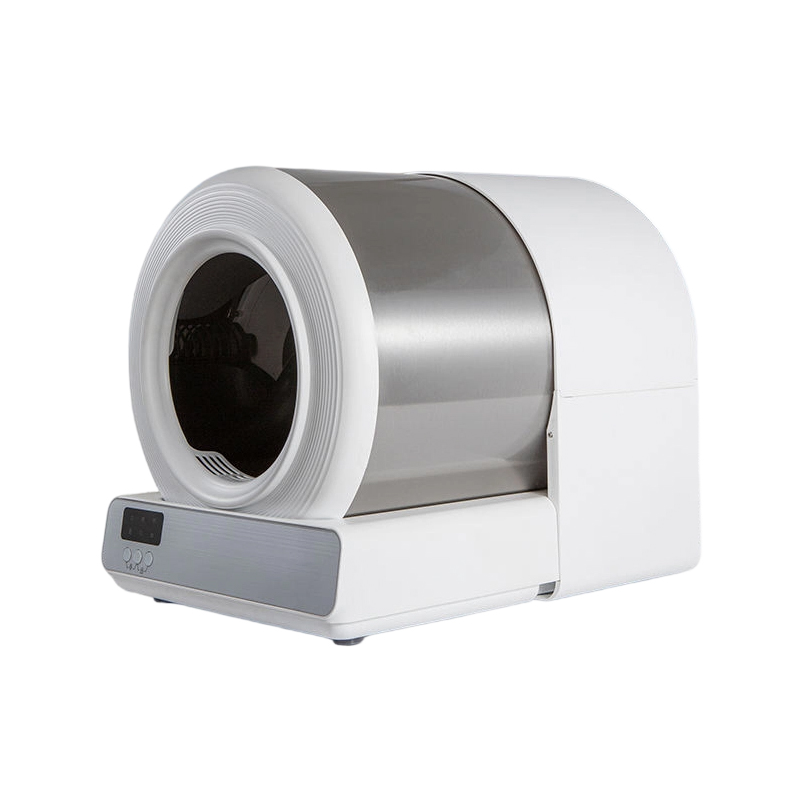
Cat Litter Tray for Multiple Cats Automatic Cat Litter Tray – Product Features The high-pressure washable, safety-focused design facilitates compr...
View More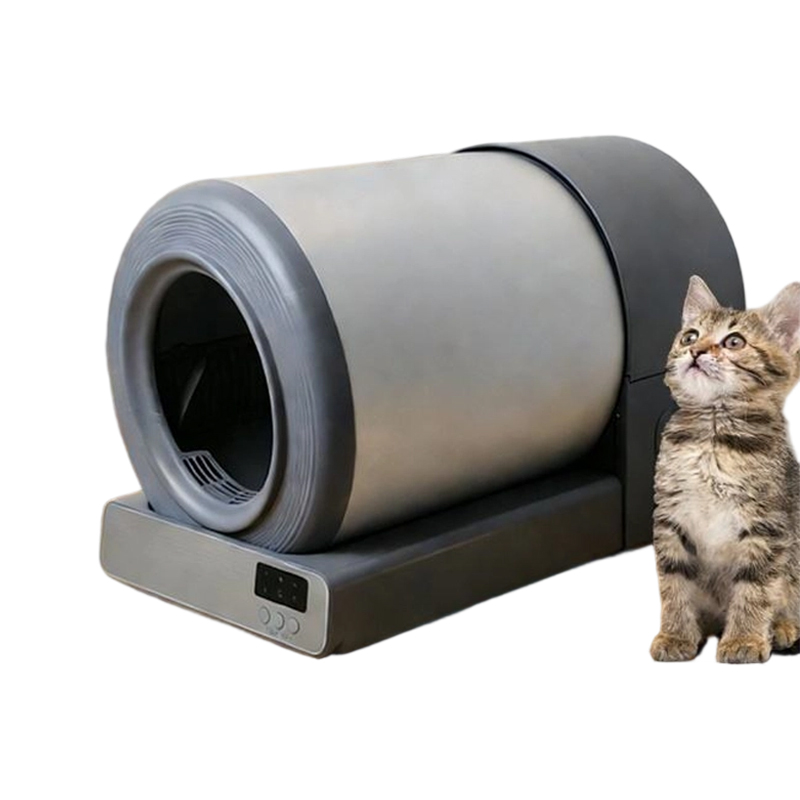
Self-Cleaning Stainless Steel Smart Cat Litter Tray – Product FeaturesThe preferred choice for non-profit organisations; compatible with open-top bi...
View More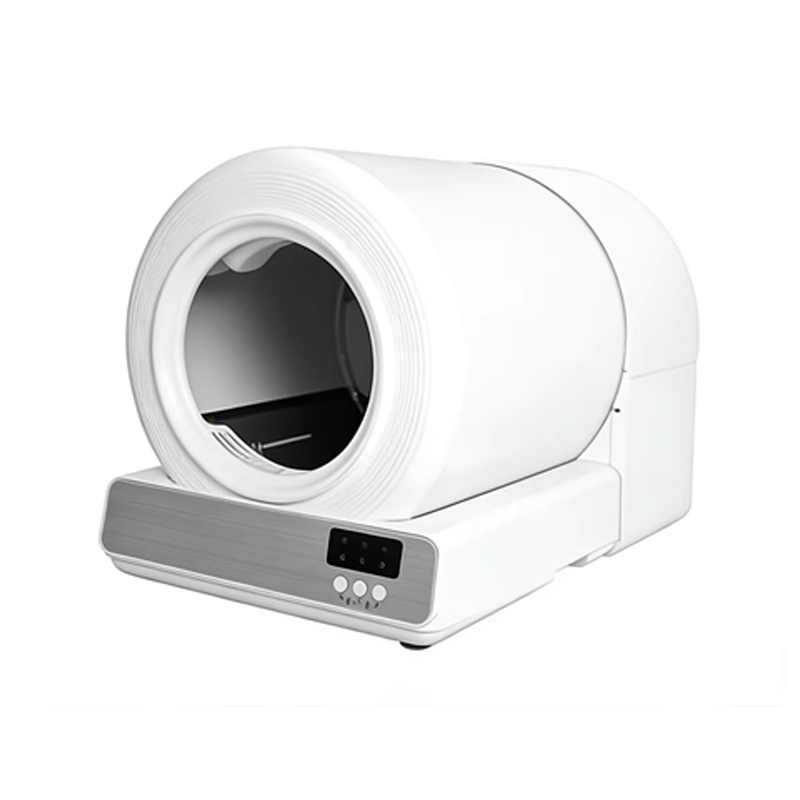
Second-Generation Fully Automatic Cat Litter Tray – Product Features With a large 65-litre capacity, it easily accommodates a substantial amount of ...
View More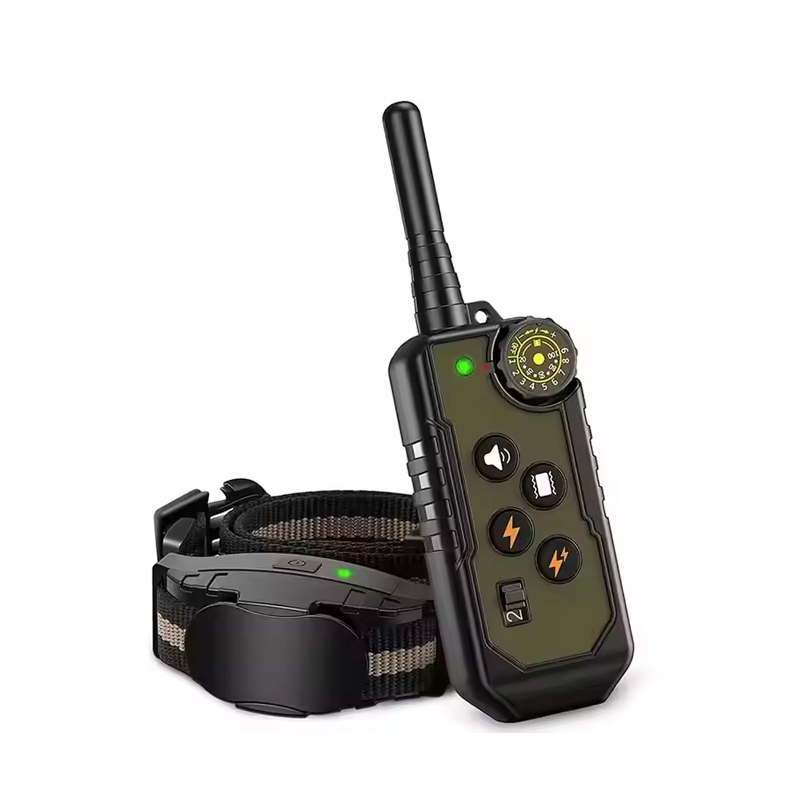
The Multi-mode, easy-to-operate training Shock Collar is designed to provide a practical solution for owners seeking a safe and effective way to train...
View More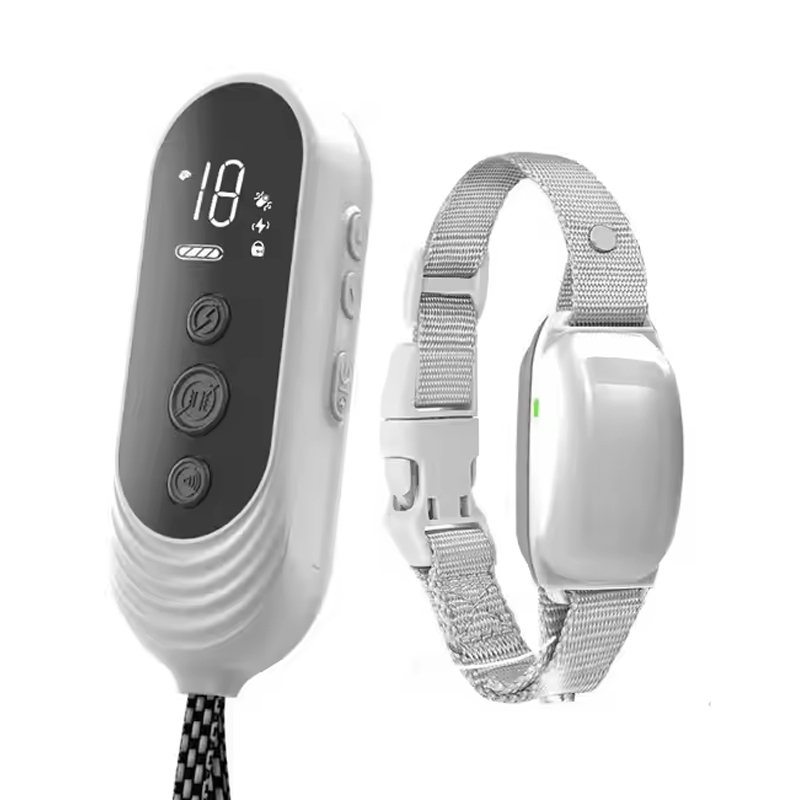
The Waterproof Adjustable Polyester Training Shock Collar offers a reliable solution for pet owners seeking a versatile and durable collar to enhance ...
View More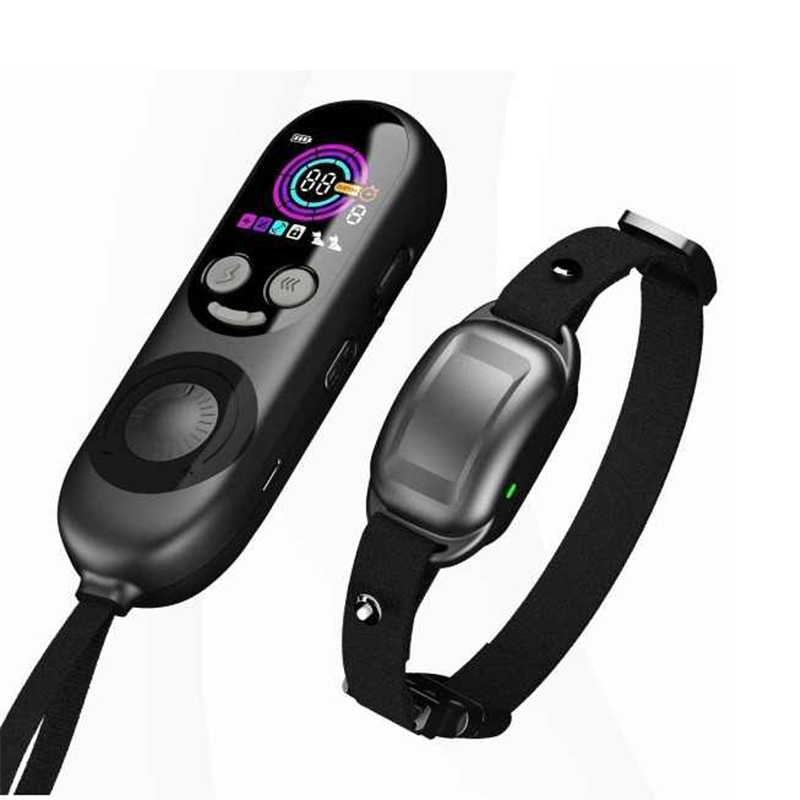
The Display Remote Control Training Shock Collar is designed to provide pet owners with a reliable and humane solution for training their dogs. Whethe...
View More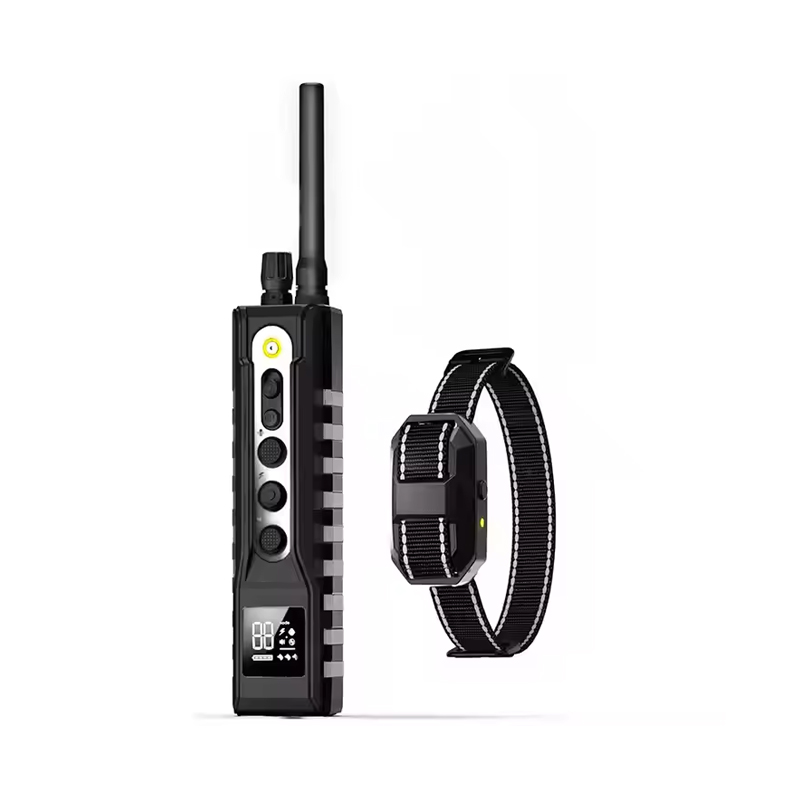
The Multi-function Long Distance Training Shock Collar is a highly versatile tool designed to support your dog’s training across various environment...
View More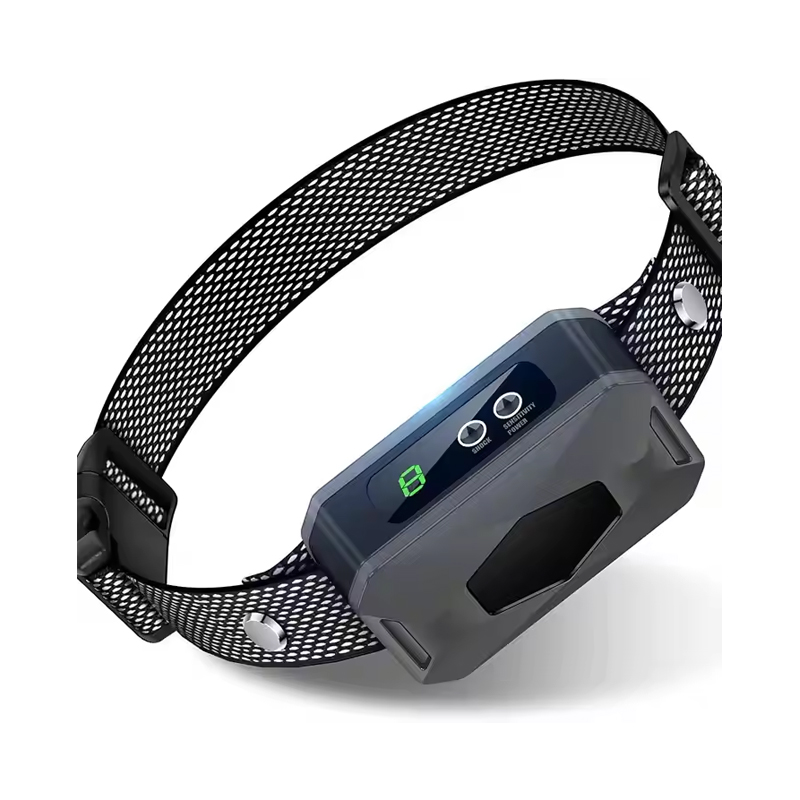
The Remote Control Waterproof Training Shock Collar is an advanced training tool designed to help pet owners effectively manage their dogs’ behavior...
View More
If you have any questions, please
get in touch with us.
E-mail: [email protected]
Address: No. 258, Qingchuan Road, Huzhen Town, Jinyun County, Lishui City, Zhejiang Province
Copyright © Zhejiang Beijing Technology Co., Ltd.

OEM/ODM Smart Pet Care Factory