
 EN
EN  English
 Español
 Français
 Deutsch
 Nederlands

- Type:
- Industry News
- Date:
- 2026-08-07

Industry News
How Does an Intelligent Pet Food Dispenser Improve Daily Pet Feeding
Feeding a pet sounds like a pretty simple daily task on the surface, but a lot of small factors can throw the whole routine off balance. Owners need to juggle feeding times, portion sizes, food storage, and the shifting habits of their cats or dogs, all while life keeps moving around them. Once daily schedules get busier, keeping that feeding routine consistent tends to get harder than people expect.
An Intelligent Pet Food Dispenser takes a different approach to everyday pet care by pairing feeding control with automated operation. Rather than relying purely on manual feeding, owners can lean on smart feeding equipment to plan meals around their pets' actual needs and their own lifestyle. What makes these devices genuinely useful isn't just releasing food automatically — it's building a more organized feeding process overall.
As pet care products keep evolving, people are paying closer attention to practical things like food compatibility, how easy cleaning is, feeding stability, and simple operation. For manufacturers, getting a handle on these needs helps shape products that fit real situations, rather than chasing extra functions nobody actually asked for.
How Does an Intelligent Pet Food Dispenser Control Feeding Portions for Different Pets
Different pets bring pretty different eating habits to the table. A young cat, an adult cat, and a small dog can each need a different feeding setup, simply because activity levels, body condition, and daily routines don't line up the same way across the board. A single fixed feeding method really doesn't always fit every pet's situation.
An Intelligent Pet Food Dispenser helps owners manage portions through adjustable settings. Rather than dumping a large amount of food into a bowl and letting pets graze freely all day, owners can build a feeding schedule that actually matches their pet's regular habits.
Portion control tends to be especially useful for pets that eat quickly or keep wandering back to the bowl throughout the day. A more controlled feeding process can keep daily meals organized and give owners a clearer window into any shifts in eating behavior.
| Feeding Consideration | Why It Matters |
|---|---|
| Portion adjustment | Helps match food amounts with different pet needs |
| Feeding schedule | Creates a more regular daily routine |
| Food release consistency | Helps maintain a stable feeding process |
| Owner management | Makes it easier to monitor daily feeding habits |
Automatic feeding systems tend to focus their design around simplicity. Owners can tweak settings around their own pets rather than forcing every situation through one fixed method. That flexibility's really a big reason smart feeding devices have become part of a lot of modern pet care routines.
Why Does an Intelligent Pet Food Dispenser Help Create Better Daily Feeding Habits for Cats and Dogs
Pets tend to get pretty tuned into daily patterns over time. Feeding at shifting times can throw off their expectations and behavior more than owners might realize. A steady feeding routine tends to make daily life easier for pets and owners alike.
Cats especially seem to perk up around mealtimes, since they connect certain moments in the day with food showing up. Dogs pick up strong feeding habits too, usually built around whatever household schedule they're exposed to. A consistent routine helps cut down on the uncertainty that can creep into daily care otherwise.
An Intelligent Pet Food Dispenser lets owners set up planned feeding times without needing to physically be there for every single meal. That tends to help people juggling shifting work schedules or stepping out for short stretches during the day.
That said, feeding habits really aren't shaped by timing alone. Food type, the feeding environment, and individual pet preferences all play into it too. A genuinely comfortable feeding process takes attention across a handful of smaller details.
Some pets, for instance, prefer quieter feeding spots, while others need a bit of time to get comfortable around a new device. Easing a pet into a new feeder gradually tends to help them adjust a lot more naturally.
Which Features Should You Check When Choosing an Intelligent Pet Food Dispenser for Home Use
When picking out a smart feeding product, people usually gravitate toward practical functions rather than unnecessary bells and whistles. A suitable design should genuinely match the pet's daily needs alongside the owner's own management style.
Worthwhile features tend to include feeding settings, storage design, how the cleaning structure's set up, and overall operation methods. Different households can carry pretty different expectations here, depending on how many pets they have, how much space is available, and what their feeding routines actually look like.
| Feature Area | Questions to Consider |
|---|---|
| Food storage | Is the container suitable for the type of food being used? |
| Operation method | Is the feeding process easy to adjust? |
| Cleaning design | Can food-contact areas be cleaned conveniently? |
| Feeding control | Does it support the desired feeding schedule? |
For households with multiple pets, feeding management tends to need a bit more thought. Some pets eat noticeably faster than others, while some might genuinely need separate feeding setups altogether.
A genuinely good product design really focuses on solving everyday problems. Features should support normal pet care activities, rather than making operation more complicated than it needs to be.
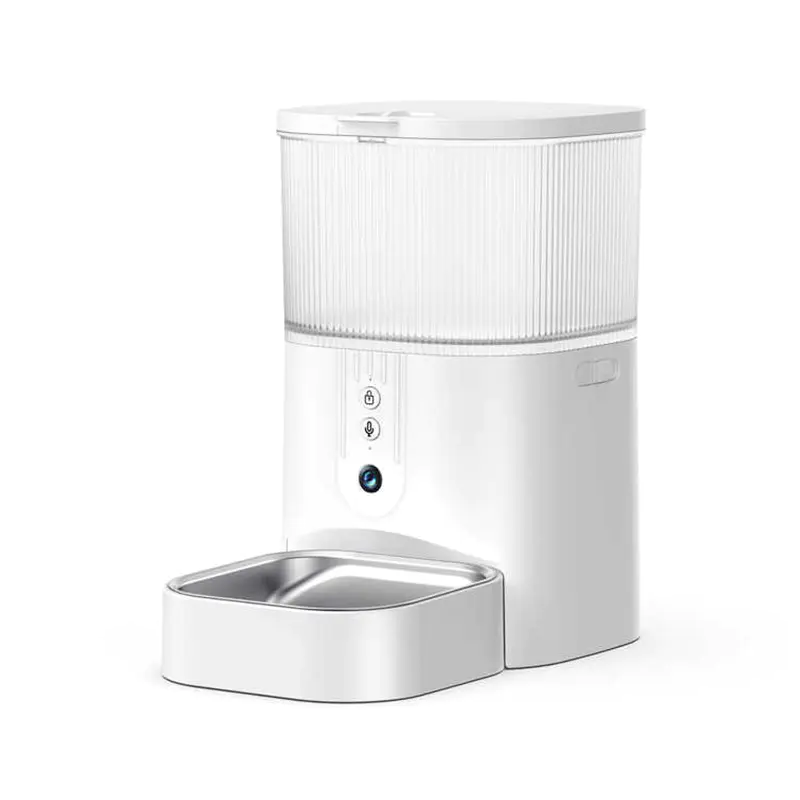
What Types of Pet Food Are Suitable for an Intelligent Pet Food Dispenser and Why
Food compatibility is a genuinely important factor shaping how well a feeding device actually performs. Dry food tends to get paired with automatic feeding systems most often, mostly because it stores easily and moves well through mechanical structures.
That said, not all dry foods behave the same way once they're inside a dispenser. Differences in shape, size, and texture can shift how smoothly food actually moves through the mechanism.
Larger pieces might call for a different internal design compared to smaller ones. Food that crumbles easily can also leave behind residue during repeated feeding cycles.
| Food Characteristic | Possible Influence |
|---|---|
| Particle size | May affect food movement inside the device |
| Food shape | Can influence release consistency |
| Texture | May affect residue and cleaning needs |
| Moisture level | Can influence storage conditions |
Before switching to a new type of food, it's worth checking whether it actually suits the feeder's design. For manufacturers, factoring in different food characteristics during development genuinely helps improve compatibility across the board.
How to Prevent Food Jams and Improve Feeding Stability in an Intelligent Pet Food Dispenser
Food blockage tends to be one of the more common headaches with automatic feeding equipment. It can crop up from unsuitable food size, buildup of residue, or limitations baked into the design itself.
A stable feeding process really depends on several parts working together smoothly. The food storage area, the internal movement structure, and the release opening all shape how easily food actually passes through the system.
Regular maintenance plays a genuinely big role here too. Clearing out leftover food particles and checking the feeding area regularly helps cut down on problems during everyday use.
Common ways to keep operation stable tend to include:
- Choosing food that matches the feeder's design
- Keeping food storage areas clean
- Checking moving parts regularly
- Avoiding moisture exposure during storage
Manufacturers usually think through these situations during product development. A well-planned structure can make daily operation a lot easier and cut down on unnecessary interruptions.
How Does an Intelligent Pet Food Dispenser Support Remote Feeding During Busy Days or Travel
Modern lifestyles create plenty of situations where pet owners just can't stick to a traditional feeding schedule. Shifting work hours, short trips, unexpected errands — any of it can throw off regular mealtimes.
Remote feeding functions offer another way to manage pet meals when that happens. Owners can adjust settings and check feeding information without needing to physically stand beside the device.
This kind of function really isn't about replacing time spent with pets. It's more about supporting owners when daily schedules get a little less predictable than usual.
For people balancing pet care against busier routines, an Intelligent Pet Food Dispenser can become a genuinely useful piece of home care. It lets owners keep feeding arrangements steady while still setting aside real, quality time with their pets whenever they're actually home.
What Design Details Make an Intelligent Pet Food Dispenser Easier to Clean and Maintain
Cleaning really is a core part of using any pet product day to day. Food residue left sitting inside equipment can affect daily operation and pile on extra maintenance work over time.
A thoughtfully designed unit pays attention to the areas that come into frequent contact with food. Easy access to the food bowl, storage container, and feeding channel tends to make routine cleaning a lot simpler.
Manufacturers often focus on details like:
- Simple structure around food-contact areas
- Easy removal of washable parts
- Smooth surfaces that reduce residue buildup
- Convenient reassembly after cleaning
Maintenance requirements shape the overall user experience quite a bit. A device that's genuinely easier to maintain tends to fit more naturally into everyday pet care routines, without becoming its own separate chore.
How Do Manufacturers Test an Intelligent Pet Food Dispenser Before It Reaches the Market
Product testing plays a genuinely important role in developing reliable pet care equipment. Before any product reaches users, manufacturers usually work through different aspects of performance and usability first.
Testing tends to cover feeding operation, structural stability, material suitability, and how users actually interact with the device. These steps help flag areas that might need adjustment before development wraps up.
Manufacturers also pay close attention to real-world usage conditions. A feeder sitting in someone's home is going to face repeated operation, regular food refills, and frequent cleaning over its lifetime.
By working through these details carefully, product teams can refine designs and build an Intelligent Pet Food Dispenser that fits more naturally into everyday pet care needs.
The direction smart pet products keep heading in is tied closely to how lifestyles keep shifting. As owners look for easier ways to manage daily routines, feeding equipment keeps evolving around practical needs, simple operation, and better interaction between people and their pets.
Related Products
-
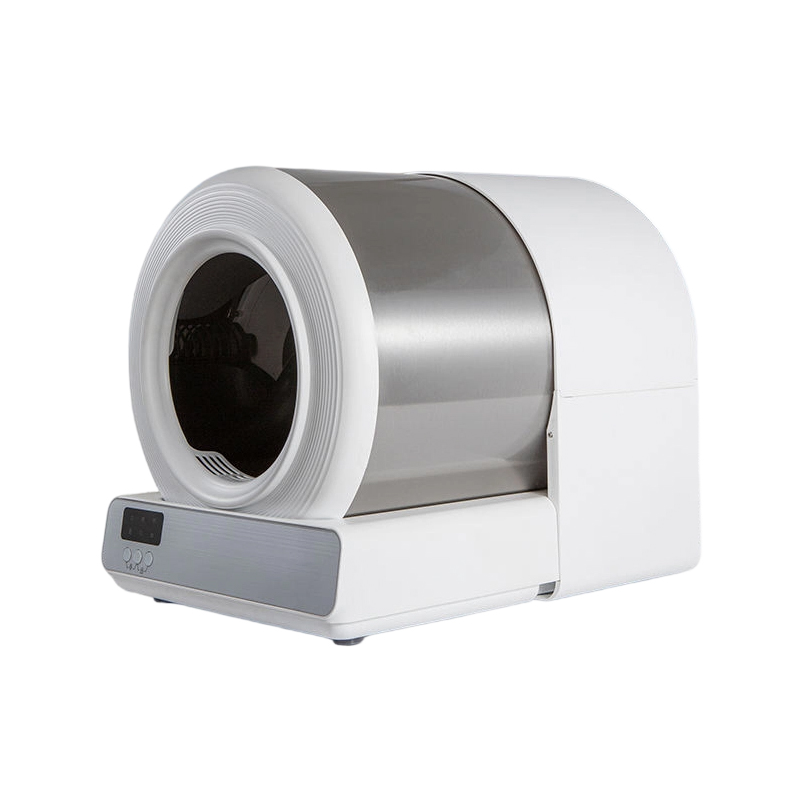
Cat Litter Tray For Multiple Cats Automatic Cat Litter Tray
Cat Litter Tray for Multiple Cats Automatic Cat Litter Tray – Product Features The high-pressure washable, safety-focused design facilitates compr...
View More -
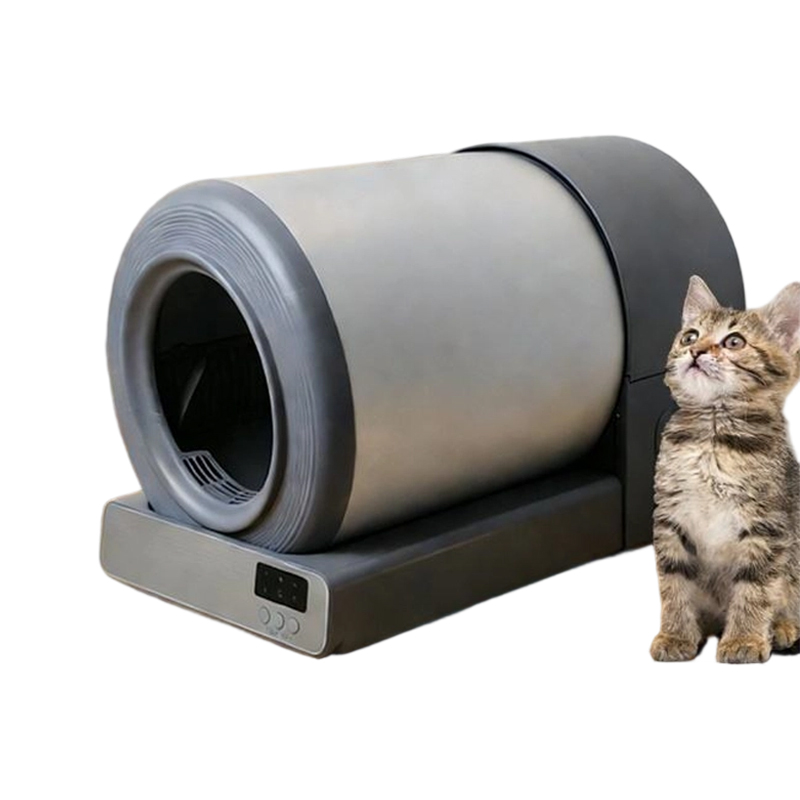
Self-Cleaning Stainless Steel Smart Cat Litter Tray
Self-Cleaning Stainless Steel Smart Cat Litter Tray – Product FeaturesThe preferred choice for non-profit organisations; compatible with open-top bi...
View More -
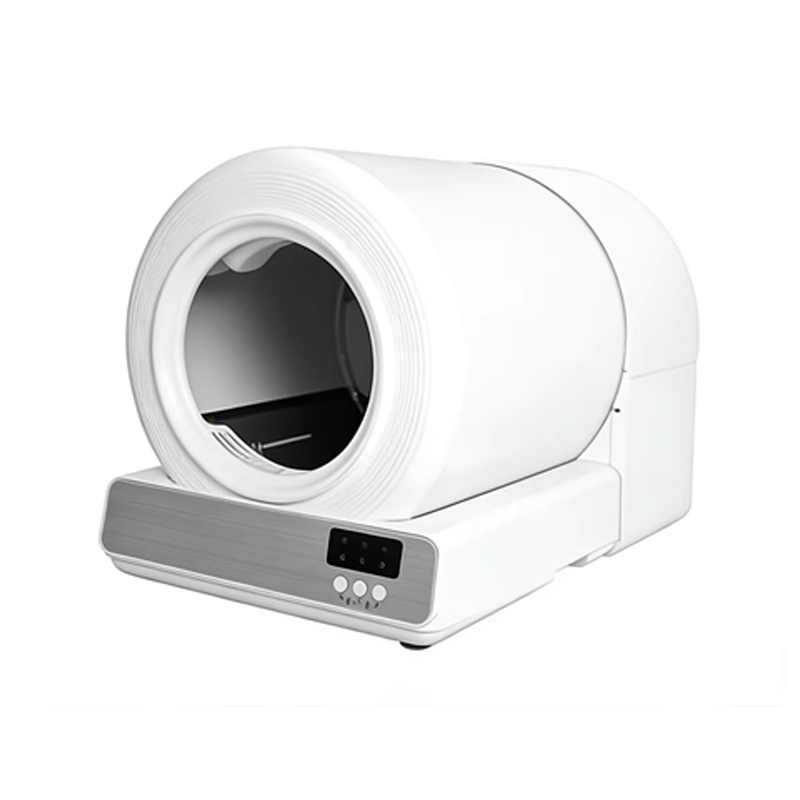
Second-Generation Fully Automatic Cat Litter Tray
Second-Generation Fully Automatic Cat Litter Tray – Product Features With a large 65-litre capacity, it easily accommodates a substantial amount of ...
View More -
Multi-Mode Easy To Operate Training Shock Collar
The Multi-mode, easy-to-operate training Shock Collar is designed to provide a practical solution for owners seeking a safe and effective way to train...
View More -
Waterproof Adjustable Polyester Training Shock Collar
The Waterproof Adjustable Polyester Training Shock Collar offers a reliable solution for pet owners seeking a versatile and durable collar to enhance ...
View More -
Display Remote Control Training Shock Collar
The Display Remote Control Training Shock Collar is designed to provide pet owners with a reliable and humane solution for training their dogs. Whethe...
View More -
Multi-Function Long Distancetraining Shock Collar
The Multi-function Long Distance Training Shock Collar is a highly versatile tool designed to support your dog’s training across various environment...
View More -
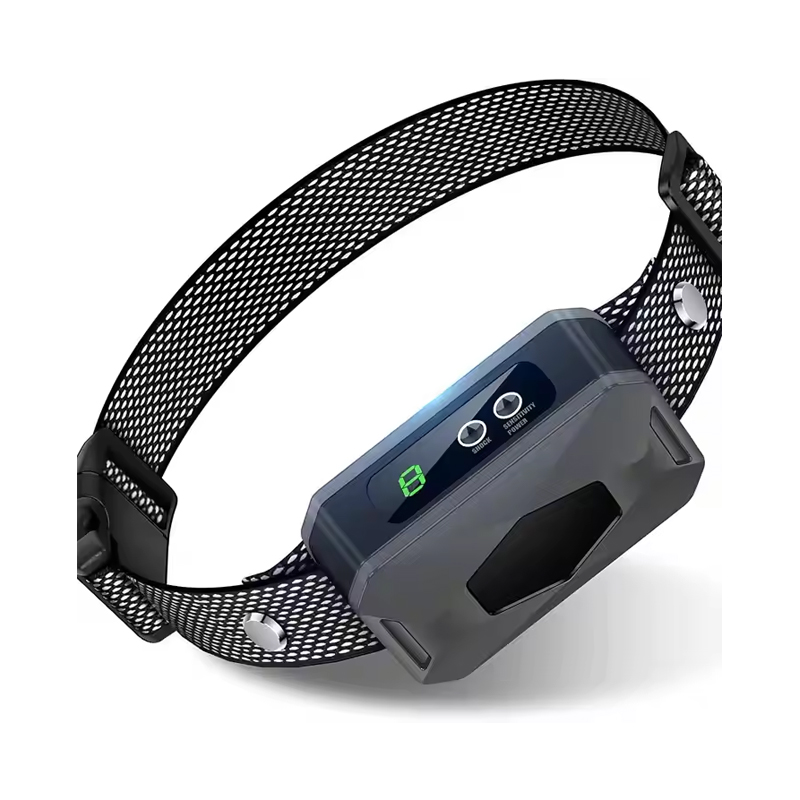
Remote Control Waterproof Training Shock Collar
The Remote Control Waterproof Training Shock Collar is an advanced training tool designed to help pet owners effectively manage their dogs’ behavior...
View More
Pet Products
If you have any questions, please
get in touch with us.
+86-13486854214
E-mail: [email protected]
Address: No. 258, Qingchuan Road, Huzhen Town, Jinyun County, Lishui City, Zhejiang Province
Copyright © Zhejiang Beijing Technology Co., Ltd.

OEM/ODM Smart Pet Care Factory