
 EN
EN  English
 Español
 Français
 Deutsch
 Nederlands

- Type:
- Industry News
- Date:
- 2026-09-11

Industry News
Why Does a Hooded Design Change the Fit of Cute Pet Clothes
Pet clothing can look simple when viewed as a finished garment, yet small changes in shape can affect how it sits on a pet's body. A hood is a good example. Once a hood is attached to the body of a garment, the design has to account for the head, ears, neck, shoulders, chest, back, and legs as parts of one connected form. An animal-shaped hood adds another layer because the decorative ears or antlers also need to remain in place while the pet moves.
For small dogs in particular, the difference can be noticeable. A garment may look neat while the dog is standing still but shift when it walks, sits, or turns. Fabric thickness, body length, leg openings, and the position of the neck opening can all influence that change. The appearance of Cute Pet Clothes therefore cannot be separated completely from their construction and fit.
How Does a Hood Change the Overall Shape of Cute Pet Clothes
A hood changes where the garment begins on the body. With a simple body covering, the upper edge usually follows the neck area. A hood extends upward from that point and creates a connection between the head and the body of the garment.
That connection affects the way the clothing rests on the pet. When the head turns, the hood may move with it. When the pet lowers its head, part of the garment can also shift around the neck and shoulders. The body section therefore needs enough freedom to accommodate movement rather than treating the hood as a separate decorative piece.
The overall shape also depends on the relationship between several areas:
- The hood needs to sit securely without pressing closely against the head.
- The neck opening needs enough room for comfortable movement.
- The shoulder area should not pull upward when the head moves.
- The body needs enough length to remain in position.
- Leg openings need to follow the natural position of the limbs.
Animal-themed designs make this relationship easier to see. A hood with ears or antlers may create a clear visual shape, but that shape still depends on the garment underneath it. If the hood shifts backward, the decorative elements can change position as well.
This is why a hooded garment cannot always use the same proportions as a similar garment without a hood. The added section changes how movement travels through the clothing.
What Should Be Considered Around the Pet's Head and Ears
The head area requires attention because pets have different head shapes, ear positions, and proportions. A hood that fits closely around one small dog may sit differently on another dog even when their body measurements appear similar.
The opening should allow the head to pass through without making the garment difficult to put on. At the same time, excessive space can cause the hood to slide backward or sideways during movement.
Ears create another consideration. Some pets have ears that stand upward, while others have ears that fall to the side. An animal-shaped hood may also include external ears, creating two separate visual elements around the same area.
For a practical design, the following relationship matters:
| Area | Design Consideration | Possible Effect on Fit |
|---|---|---|
| Hood opening | Space around the head | Affects ease of wearing |
| Ear area | Room for natural ear position | Can affect hood stability |
| Hood depth | Coverage around the head | Influences movement of the hood |
| Hood connection | Position on the body | Can affect the neck and shoulders |
A hood does not need to remain completely rigid. Some movement is natural when a pet turns its head. The concern is whether the hood moves so much that it changes the position of the rest of the garment.
For Cute Pet Clothes with animal-inspired features, the shape of the hood is therefore part of both the visual design and the fit. Ears, antlers, or other additions should follow the movement of the hood rather than creating unnecessary pulling around the head.
Why Does Neck Opening Size Matter in Hooded Pet Clothes
The neck is the transition point between the head and the body. In a hooded garment, this area has an even closer relationship with the upper section because the hood and body are connected there.
An opening that feels restrictive can make dressing difficult and may pull against the neck when the pet lowers or turns its head. An opening that is too loose can allow the garment to move around more than intended.
The shape also matters. A round opening, a wider front opening, or a design with some flexibility can behave differently on the same pet. The choice depends on how the garment is constructed and how it is intended to be put on.
The neck area should also work with the chest. When a pet walks, the shoulders move forward and backward while the head changes position. If the neck area holds the garment too firmly, movement in one area can pull another area out of place.
This is particularly relevant to hooded designs with thicker fabric. Plush clothing can have more body than a lightweight garment, so the neck section may not fall in exactly the same way. The material and construction have to be considered together rather than separately.
How Can a Hooded Design Affect Shoulder and Chest Movement
Once the neck has been considered, the next area is the shoulder and chest. These parts of the body are active during ordinary movement, even when a pet is simply walking across a room.
A hood can influence this area because its weight, shape, and connection to the garment are located close to the shoulders. If the upper section moves with the head, the clothing may pull across the chest when the pet looks down or turns.
The chest section needs enough space for natural movement without becoming excessively loose. A garment that sits neatly while standing may behave differently when the front legs move.
For example, a pet may:
- Walk forward with alternating front-leg movement
- Lower its head while sniffing
- Sit down and change the angle of its chest
- Turn its body while keeping its head facing another direction
Each movement can change the tension in the clothing. A hooded design therefore needs to accommodate movement in more than one direction.
Cute Pet Clothes with full-body coverage can make this especially noticeable because the front, middle, and rear portions are connected. A change around the shoulders may travel through the body instead of remaining in one small area.
How Does Body Length Affect the Fit of Full-Body Cute Pet Clothes
Body length becomes important when clothing extends beyond the chest and covers a larger part of the back. Dogs can have different relationships between back length, chest width, leg length, and overall body shape.
If a garment is shorter than the body, it may pull toward the front when the pet moves. If it is longer, excess material may gather around the rear or shift toward the sides.
The hood can make these changes more noticeable because it creates an additional point of connection near the front of the garment. A well-positioned hood works with the body length rather than placing unnecessary tension on the back.
The rear section also needs to accommodate sitting and turning. Clothing that follows the back while a pet stands may fold differently once the animal changes position.
For full-body designs, the relationship can be viewed as a sequence:
Head → Neck → Chest → Back → Rear → Legs
Each section influences the next. A change in one area does not necessarily stay there.
This is why body length should not be considered alone when developing Cute Pet Clothes. The length has to work with the hood, chest, and leg openings so the garment can remain reasonably stable during ordinary movement.
Why Do Full-Body Pet Clothes Need Flexible Leg Openings
The legs introduce another source of movement. Unlike the back, which often provides a relatively broad surface for the garment to rest on, the legs move separately from the body.

Leg openings therefore need to provide enough space for movement without allowing the clothing to become excessively loose. Their position also matters. If an opening sits too high or too low, the fabric may pull as the pet walks.
The shape of the cuff can influence the way the lower section stays in place. A softer edge may move differently from a firmer one, while a thicker fabric may occupy more space around the leg.
| Clothing Area | Movement to Consider | Fit Concern |
|---|---|---|
| Front leg opening | Forward and backward leg movement | Pulling around the chest |
| Rear leg opening | Walking and sitting | Shifting around the rear |
| Lower edge | Changes in body position | Folding or riding upward |
| Cuff area | Repeated leg movement | Holding position without restricting motion |
The aim is not to make every part of the garment stay completely still. Pet clothing naturally moves as the animal moves. What matters is whether the movement remains compatible with the shape of the garment.
A full-body design with a hood has several connected areas, so the leg openings can also influence the position of the upper section. When the lower part shifts, tension can travel through the body toward the chest and neck.
How Does Fabric Thickness Affect the Fit of Cute Pet Clothes
Fabric changes the way a garment behaves even when the pattern remains the same. A thin, flexible material may fall close to the body, while a plush material can create more volume around the same shape.
The orange animal-themed clothing in the reference image illustrates this clearly. Its soft, raised surface gives the garment a rounded appearance. That visual effect is part of the design, but the added thickness also affects how the hood, body, cuffs, and openings sit.
Several fabric characteristics can influence the finished fit:
- Thickness changes the amount of space occupied by the garment.
- Flexibility affects how easily the clothing follows body movement.
- Surface texture can influence how the garment moves against fur.
- Recovery after stretching can affect how openings retain their shape.
- Washability can influence whether the clothing keeps its original form over time.
Fabric selection should therefore follow the garment structure rather than being treated as an isolated choice. A hood that works with a lightweight material may need different proportions when made with a plush material.
For Cute Pet Clothes with a costume-like appearance, the fabric also contributes to the visual character. However, appearance and physical behavior need to remain connected. A fabric that creates a particular shape may require corresponding adjustments in the hood, body, and leg areas.
How Can Cute Pet Clothes Maintain Their Shape During Pet Movement
Movement brings all the previous elements together. A hood does not move independently of the body forever. The head changes position, the neck turns, the shoulders move, the back bends, and the legs shift. Each action can influence the clothing around it.
This is particularly visible with animal-themed garments. Decorative ears or antlers may appear upright when the pet is standing, but their position depends on the hood underneath them. If the hood slides backward, the decorative features move with it.
The same principle applies to the body. A garment may shift slightly when the pet sits, but excessive movement can cause the hood, chest, back, and leg sections to change position at the same time.
A practical design approach is to consider the garment as a connected form rather than a collection of separate details. The following questions can help when examining its construction:
- Does the hood remain reasonably positioned when the head turns?
- Does the neck area allow the upper section to move with the pet?
- Can the chest and shoulders move without pulling the hood?
- Does the body length remain compatible with the pet's posture?
- Do the leg openings allow normal movement without causing the garment to shift excessively?
When these areas work together, the visual elements have a better chance of remaining where they were intended to be. The hood, ears, body pattern, cuffs, and other details then become part of a coordinated garment rather than features that compete with its movement.
For a hooded pet outfit, the design process consequently extends beyond making an attractive shape. The position of the hood can influence the neck, the neck can affect the shoulders, the body can affect the legs, and movement can reveal how these areas interact. That relationship is what makes hooded clothing different from a simple covering placed over a pet's back.
Related Products
-
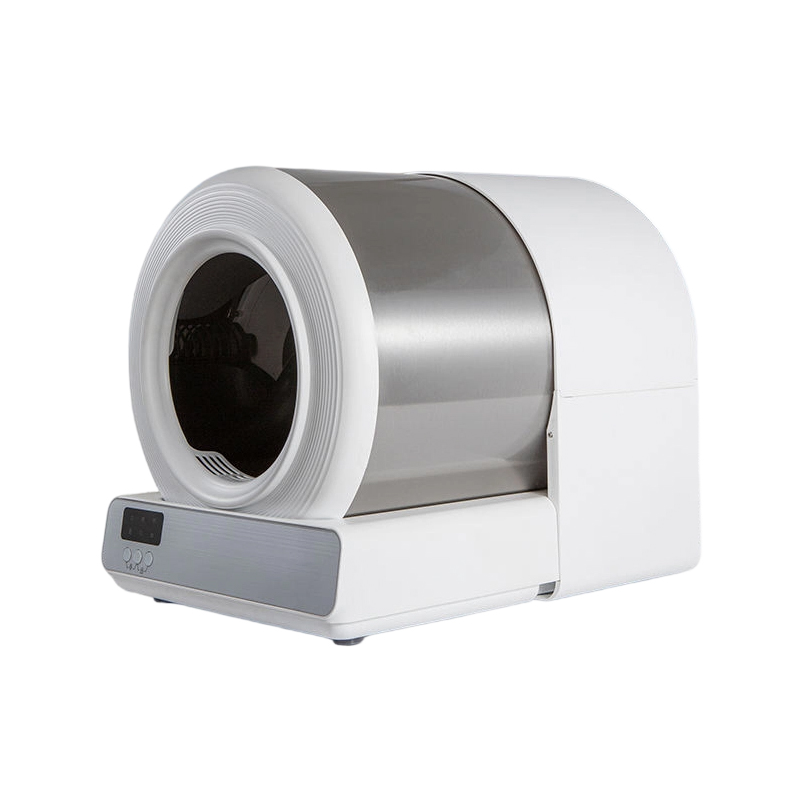
Cat Litter Tray For Multiple Cats Automatic Cat Litter Tray
Cat Litter Tray for Multiple Cats Automatic Cat Litter Tray – Product Features The high-pressure washable, safety-focused design facilitates compr...
View More -
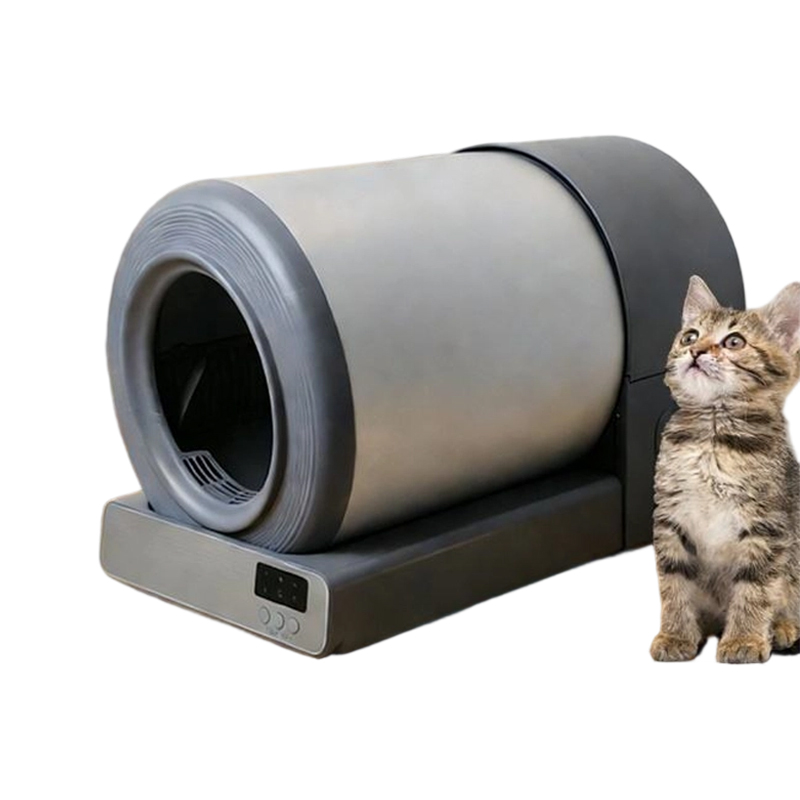
Self-Cleaning Stainless Steel Smart Cat Litter Tray
Self-Cleaning Stainless Steel Smart Cat Litter Tray – Product FeaturesThe preferred choice for non-profit organisations; compatible with open-top bi...
View More -
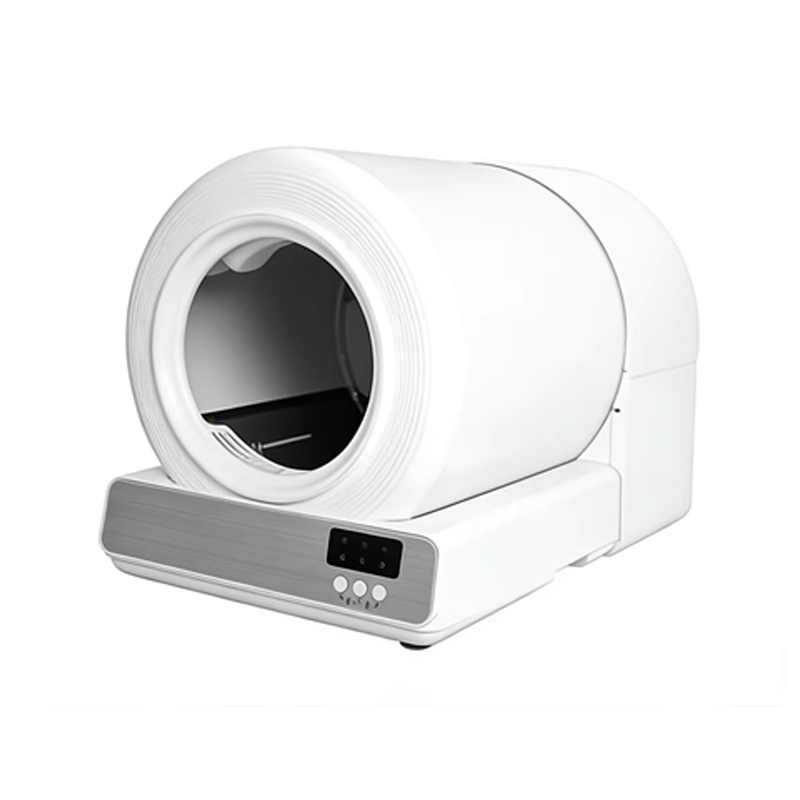
Second-Generation Fully Automatic Cat Litter Tray
Second-Generation Fully Automatic Cat Litter Tray – Product Features With a large 65-litre capacity, it easily accommodates a substantial amount of ...
View More -
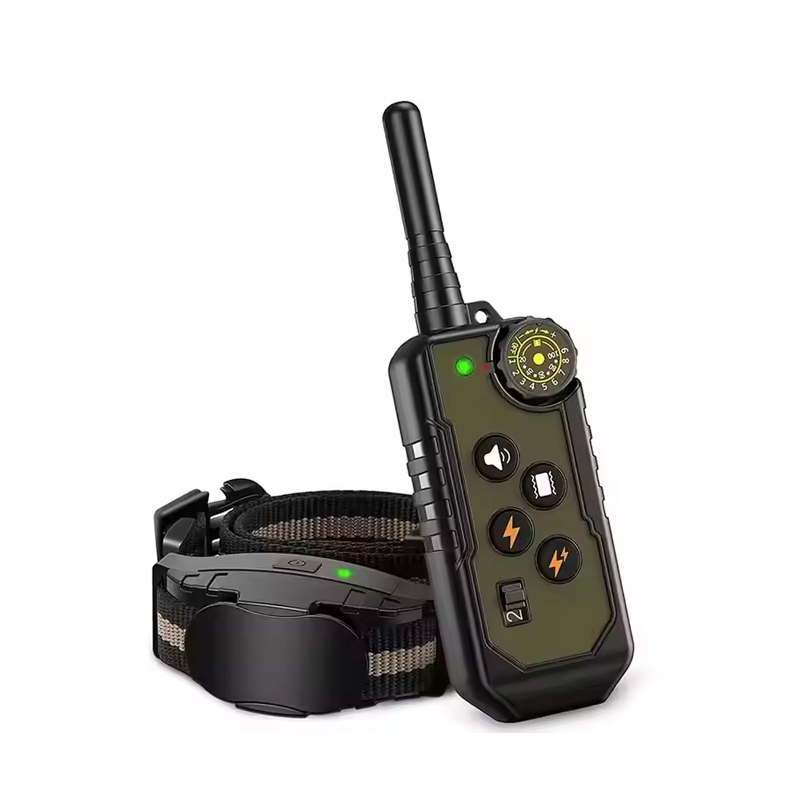
Multi-Mode Easy To Operate Training Shock Collar
The Multi-mode, easy-to-operate training Shock Collar is designed to provide a practical solution for owners seeking a safe and effective way to train...
View More -
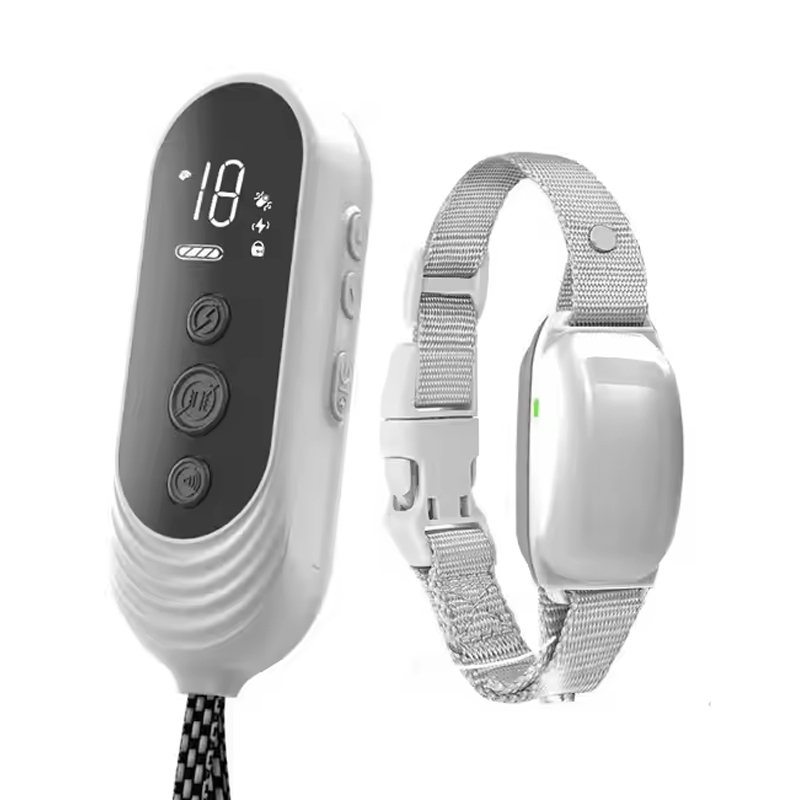
Waterproof Adjustable Polyester Training Shock Collar
The Waterproof Adjustable Polyester Training Shock Collar offers a reliable solution for pet owners seeking a versatile and durable collar to enhance ...
View More -
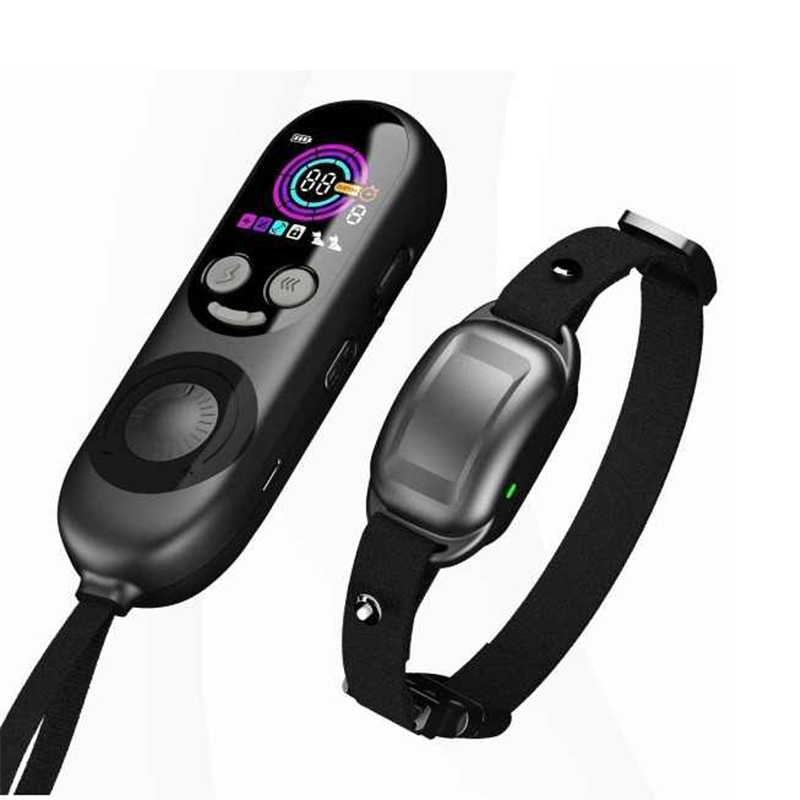
Display Remote Control Training Shock Collar
The Display Remote Control Training Shock Collar is designed to provide pet owners with a reliable and humane solution for training their dogs. Whethe...
View More -
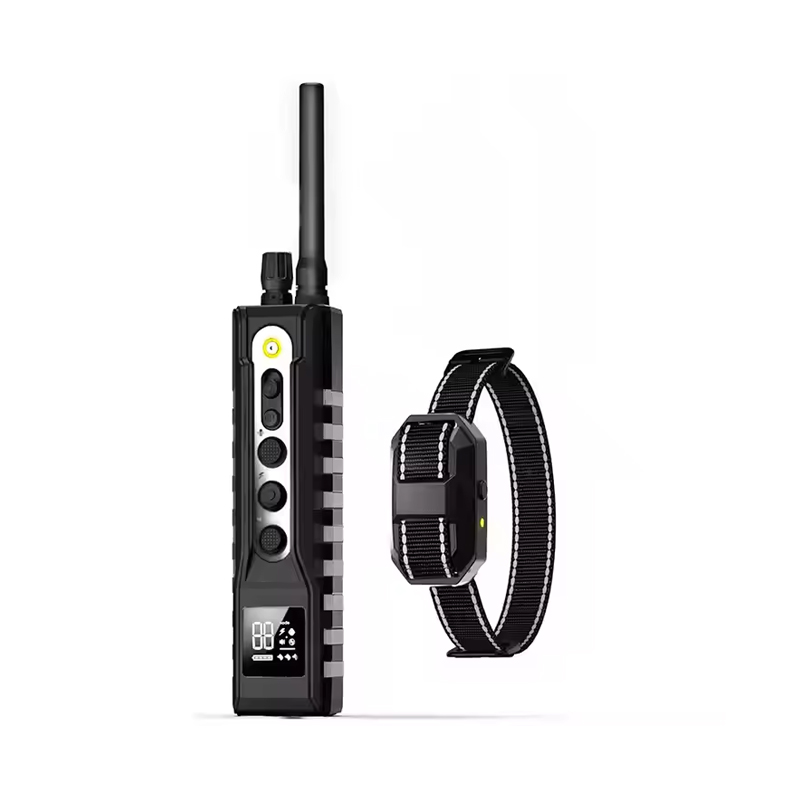
Multi-Function Long Distancetraining Shock Collar
The Multi-function Long Distance Training Shock Collar is a highly versatile tool designed to support your dog’s training across various environment...
View More -
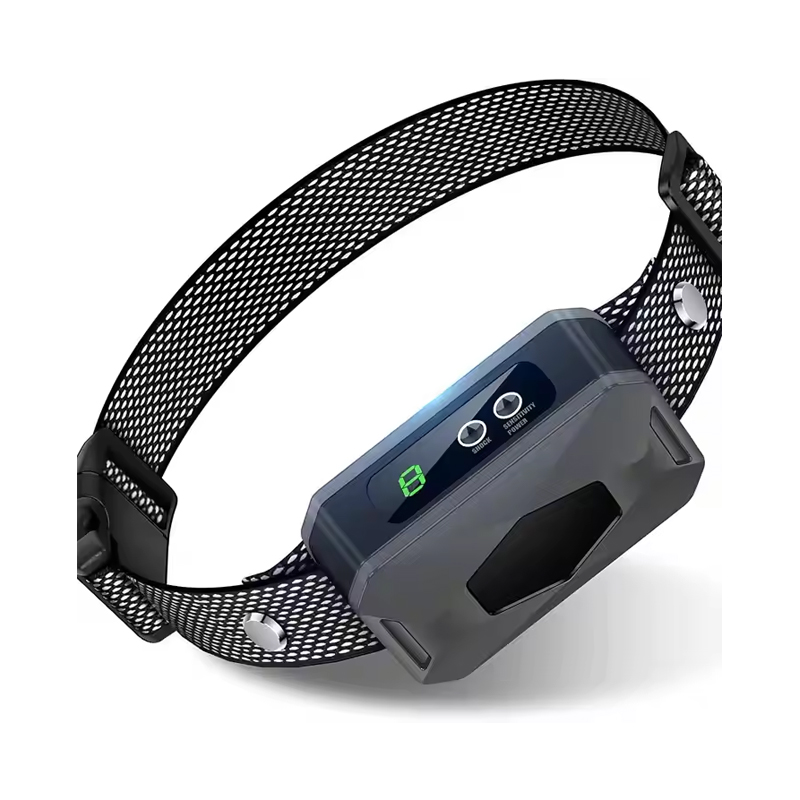
Remote Control Waterproof Training Shock Collar
The Remote Control Waterproof Training Shock Collar is an advanced training tool designed to help pet owners effectively manage their dogs’ behavior...
View More
Pet Products
If you have any questions, please
get in touch with us.
+86-13486854214
E-mail: [email protected]
Address: No. 258, Qingchuan Road, Huzhen Town, Jinyun County, Lishui City, Zhejiang Province
Copyright © Zhejiang Beijing Technology Co., Ltd.

OEM/ODM Smart Pet Care Factory