
 EN
EN  English
 Español
 Français
 Deutsch
 Nederlands

- Type:
- Industry News
- Date:
- 2025-12-16

Industry News
Intelligent Pet Food Dispenser: What Every Pet Owner Should Know
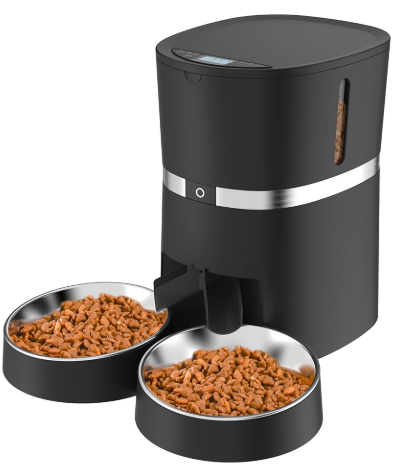
Intelligent pet food dispensers are gradually becoming an essential tool for modern pet households. By leveraging automation technology and intelligent management systems, they provide pets with scheduled, portion-controlled, and healthy feeding. We will explore pet food dispensers from multiple perspectives, including their key features, functions, working principles, advantages and disadvantages, as well as usage precautions, to help industry professionals and pet owners gain a comprehensive understanding of these devices.
What Are the Key Features of Intelligent Pet Food Dispensers?
The core features of pet food dispensers are mainly reflected in automation, intelligence, and safety. The detailed explanations are as follows:
| Feature | Description | Benefits & Advantages |
|---|---|---|
| Automatic Scheduled Feeding | Automatically dispenses food according to preset times | Ensures pets eat on time and prevents overfeeding or hunger |
| Portion Control | Controls the amount of food dispensed each time through an adjustable mechanism | Helps manage pet weight and prevents obesity |
| Multi-Compartment Storage | Can store multiple types of food or treats | Meets the needs of different pets and facilitates food organization |
| Intelligent Alerts | Can notify owners via the device or an app | Reminds owners to refill food or clean the device in a timely manner |
| Anti-Jamming Design | Prevents food from getting stuck or blocking the outlet | Ensures long-term stable operation of the device |
| Durable Materials | Made from food-grade, corrosion-resistant materials | Safe and healthy for pets, easy to clean |
These features not only improve pets' quality of life but also reduce the daily feeding burden for owners.
How Does an Intelligent Pet Food Dispenser Work?
The core working principle of an pet food dispenser is the integration of mechanical structures, electronic control, and intelligent software systems to achieve automated, precise, and safe pet feeding. Below is a detailed explanation of its working process and technical details:
1. Food Storage and Dispensing Mechanism
Intelligent pet food dispensers are typically equipped with a sealed food storage compartment for storing dry food or specific types of kibble. The design of the food compartment ensures that it has sufficient capacity while preventing air, moisture, and odors from affecting the food quality.
Dispensing Mechanism: Most intelligent dispensers use either an auger or a rotary disc to control the dispensing of food.
- Auger Mechanism: Driven by a motor, the auger pushes the food in preset portions to the dispensing outlet. This mechanism is ideal for small kibble, ensuring precise portion control.
- Rotary Disc Mechanism: Food is placed in a rotating chamber, and each rotation dispenses a fixed amount of food. This mechanism is suitable for a variety of kibble sizes.
Anti-Jamming Design: To prevent clogging caused by wet food or food sticking together, dispensers usually incorporate inclined outlets, anti-stick coatings, or vibration devices to ensure smooth dispensing.
2. Timed and Portion Control
The essence of a food dispenser lies in precise control over both the timing and portioning of food. Modern devices are equipped with microprocessors or microcontrollers that perform the following functions:
- Time Control: Users can set multiple feeding times through the device or app, such as morning, noon, and evening. The device will automatically perform the feeding operation according to an internal clock.
- Portion Control: The amount of food dispensed is calculated based on the number of rotations or the angle of the auger mechanism. Advanced models can automatically adjust portion sizes based on the pet's weight and feeding schedule.
- Multiple Feeding Modes: Some devices support manual, scheduled, or remote control via an app, providing flexibility for pet owners to manage their pets' feeding.
3. Data Monitoring and Smart Feedback
Many high-end food dispensers come equipped with sensors and connectivity features to enable data monitoring and smart feedback:
- Food Remaining Monitoring: Weight sensors or infrared sensors monitor the remaining food in the storage compartment and notify the owner when food is running low.
- Feeding Monitoring: Some devices include photoelectric or infrared sensors to track the pet's feeding time and amount, generating data reports for the owner.
- Health Analysis: Long-term monitoring of feeding habits allows the device to identify abnormal eating patterns, such as reduced or excessive eating, helping owners to monitor their pets' health more closely.
4. Safety and Protection Mechanisms
Intelligent pet food dispensers are designed with a focus on safety to prevent damage to both the pet and the device:
- Anti-Tip Design: The base of the dispenser is designed to be sturdy, preventing pets from tipping over the device.
- Anti-Jamming Protection: If the device detects a blockage in the dispensing outlet, it will pause feeding or activate a vibration mechanism to clear the blockage.
- Automatic Power-Off: The motor will automatically shut off in the event of an overload or malfunction, protecting the mechanical components.
- Material Safety: Food-grade materials and non-toxic coatings are used to prevent harm to pets from long-term contact with the food container.
5. Remote Management and Smart Connectivity
Modern pet food dispensers typically support Wi-Fi or Bluetooth connectivity:
- Owners can remotely set feeding schedules, manually dispense food, or monitor their pet's feeding habits via an app.
- Some devices can integrate with smart home systems, such as cameras or voice assistants, to enable remote monitoring and voice interaction.
- Data can be synced to the cloud, storing historical feeding records, which helps analyze the pet's eating habits or share the data with veterinarians.
6. Overall Workflow Summary
The simplified process of how a pet food dispenser works can be summarized as follows:
1.Owner sets the feeding schedule → 2. Device activates the motor → 3. Auger or rotary disc dispenses food → 4. Sensors detect food dispensing status → 5. Data is sent to the app → 6. If an anomaly is detected, safety mechanisms are triggered → 7. Feeding is completed, and data is recorded.
Through these steps, the pet food dispenser achieves automated, timed, and portion-controlled feeding, while considering both pet health and owner convenience.
What Are the Advantages and Limitations?
Intelligent pet food dispensers have many advantages, but they also have certain limitations. The comparison is as follows:
Advantages
| Advantage | Description |
|---|---|
| Time Management | Allows for scheduled feeding, saving the owner's time. |
| Portion Control | Prevents pets from overeating and helps manage their weight. |
| Data Management | Monitors pet feeding habits and generates health reports. |
| Reduced Stress | Pets can maintain a regular feeding routine when the owner is away. |
| Multi-Pet Compatibility | Some models can distribute food separately to multiple pets. |
Limitations
| Limitation | Description |
|---|---|
| Power Dependency | Long periods without power can affect usage. |
| Risk of Mechanical Failure | Food blockages or damage to the dispensing outlet may require maintenance. |
| Limited Capacity | Large dogs or multi-pet households may require frequent refills. |
| Learning Curve | Owners need to familiarize themselves with the device operation and app management. |
| Food Compatibility | Some devices may not accommodate wet food or oversized kibble. |
How Can Intelligent Pet Food Dispensers Be Improved?
To address existing limitations, the following improvements can be made to food dispensers:
1.Increase Capacity and Compatibility
Design larger food compartments that can accommodate various kibble sizes to meet the needs of different pets.
2.Optimize Anti-Jamming Structure
Improve the dispensing outlet and auger mechanism to reduce food blockages or jamming issues.
3.Enhance Smart Monitoring
Add more sensors, such as pet weight detection, camera monitoring, and health data analysis.
4.Improve Battery Life and Energy Efficiency
Use low-power designs and support longer battery life to reduce reliance on a power source.
5.Enhance User Experience
Simplify the app interface, enable voice control, support multi-device integration, and add anomaly alert features.
Why Should Pet Owners Consider Using It?
Choosing an pet food dispenser is not just about convenience; it's also about scientifically managing pets' dietary habits, health status, and daily routines. Below is a detailed explanation of its value from multiple perspectives:
1. Maintaining a Healthy Weight and Dietary Routine
- Precise Portion Control: The pet food dispenser allows owners to set the exact portion size based on their pet's weight, age, and activity level. By preventing overeating, it helps pets maintain a healthy weight and reduces the risk of obesity-related diseases.
- Scheduled Feeding: The device can dispense food on a fixed schedule, helping pets form regular eating habits and avoiding gastrointestinal problems caused by irregular or excessive eating.
- Scientific Feeding: For pets that prefer multiple small meals a day, the dispenser can divide their total daily food intake into smaller portions, which helps with digestion, absorption, and balanced energy levels.
2. Improving Quality of Life and Pet Well-being
- Reducing Hunger Anxiety: When the owner is away, pets can still be fed on time, reducing hunger and anxiety.
- Interaction and Entertainment: Some intelligent pet feeders come with sound alerts or app interaction features, providing stimulation and entertainment for pets while they eat.
- Multi-Pet Household Management: The device can be programmed to feed each pet individually with a separate feeding plan and portion, preventing conflicts caused by food competition.
3. Remote Management and Convenience for Owners
- Remote Monitoring: With the intelligent pet feeder's app, owners can check their pet's feeding status and food stock anytime, without needing to be physically present.
- Real-Time Adjustments: When away for work or travel, the owner can adjust feeding times or portions remotely, catering to the pet's immediate needs.
- Data Recording and Analysis: The device records daily feeding data. Over time, this data can help the owner identify any dietary abnormalities or health concerns in their pet.
4. Enhancing Food Safety and Hygiene
- Sealed Storage: The food storage compartment is designed with a sealed lid to prevent air, moisture, and insects from contaminating the food.
- Reducing Cross-Contamination: With a closed dispensing outlet and removable trays, the device is easy to clean regularly, reducing the risk of bacterial growth.
- Preventing Accidental Feeding: Anti-jamming and anti-tip designs ensure that pets won't spill or harm themselves during feeding.
5. Promoting Scientific Pet Care and Long-Term Health Management
- Behavior Analysis: By monitoring feeding data over time, the device can detect changes in appetite, overeating, or picky eating, offering valuable insights for health management.
- Veterinary Guidance: Owners can share the feeding data with their veterinarian to help create a customized diet plan for their pet.
- Adapting to Different Life Stages: From puppies and kittens to senior pets, the intelligent feeder can adjust food amounts and feeding frequency based on the pet's stage of life, ensuring their nutritional needs are met.
6. Practical Use Case Scenarios
- Working Professionals: While the owner is at work, pets can still be fed on time, without the need for a neighbor or family member to help.
- Multi-Pet Households: The device can feed each pet separately, preventing food disputes between pets.
- Health Management Needs: For overweight pets or those with chronic conditions, precise portion control can help manage their condition.
From the above points, it is clear that a pet food dispenser is not only convenient but also a scientific, healthy, and controllable tool for pet care. It helps owners manage their time and energy while allowing pets to develop regular eating habits and a healthy lifestyle.
What Should Users Pay Attention To?
When using a food dispenser, users should pay attention to the following aspects to ensure both the device and pet's safety:
1. Regular Cleaning
The food storage compartment and dispensing outlet should be cleaned regularly to prevent the growth of bacteria.
2. Choosing the Right Food
Select food with appropriately sized kibble. Avoid using wet food or food that may clog the dispenser.
3. Correctly Setting Portions
Set the portion size based on the pet's weight and health condition to prevent overfeeding or underfeeding.
4. Checking the Device's Status
Regularly check the battery, power supply, auger mechanism, and sensors to ensure everything is functioning properly.
5. Observing the Pet's Adaptation
Especially during the initial use, observe if the pet can access the food smoothly and maintain a regular feeding schedule.
Intelligent pet food dispensers, as an important tool for modern pet households, improve pets' quality of life through automation and intelligent technology, while reducing the management burden on owners. When choosing and using such devices, key considerations include scientifically managing food portions, ensuring device maintenance, and scheduling feeding times properly. As technology continues to advance, the prospects for their use in the pet industry will become even broader.
Related Products
-
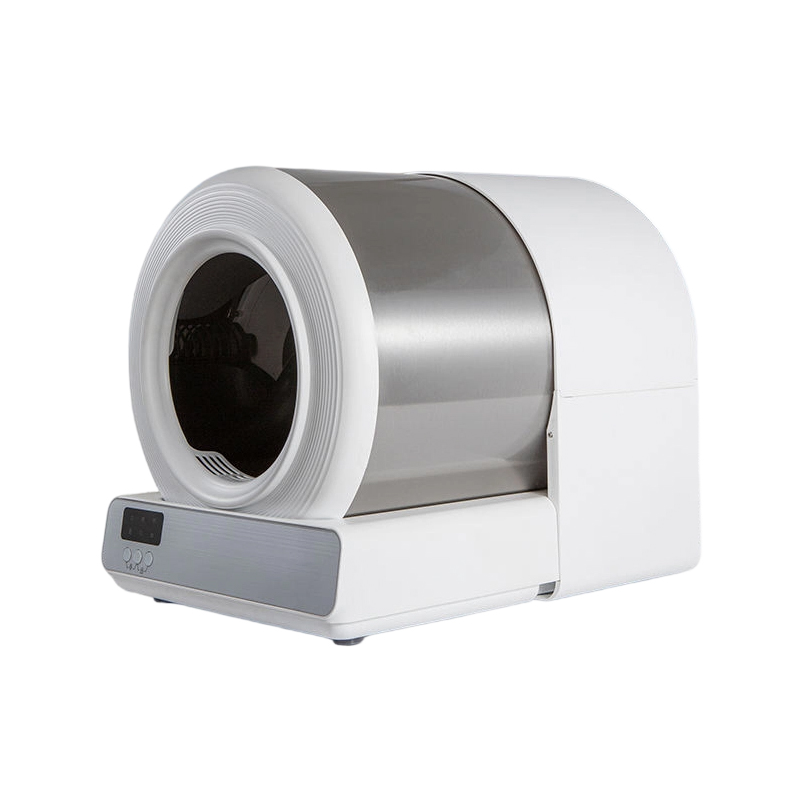
Cat Litter Tray For Multiple Cats Automatic Cat Litter Tray
Cat Litter Tray for Multiple Cats Automatic Cat Litter Tray – Product Features The high-pressure washable, safety-focused design facilitates compr...
View More -
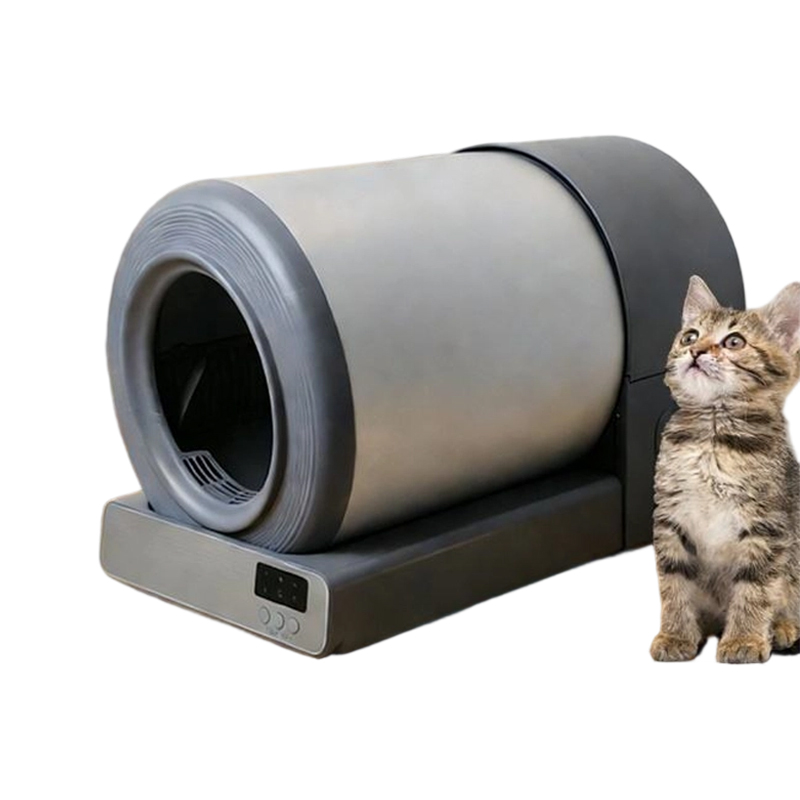
Self-Cleaning Stainless Steel Smart Cat Litter Tray
Self-Cleaning Stainless Steel Smart Cat Litter Tray – Product FeaturesThe preferred choice for non-profit organisations; compatible with open-top bi...
View More -
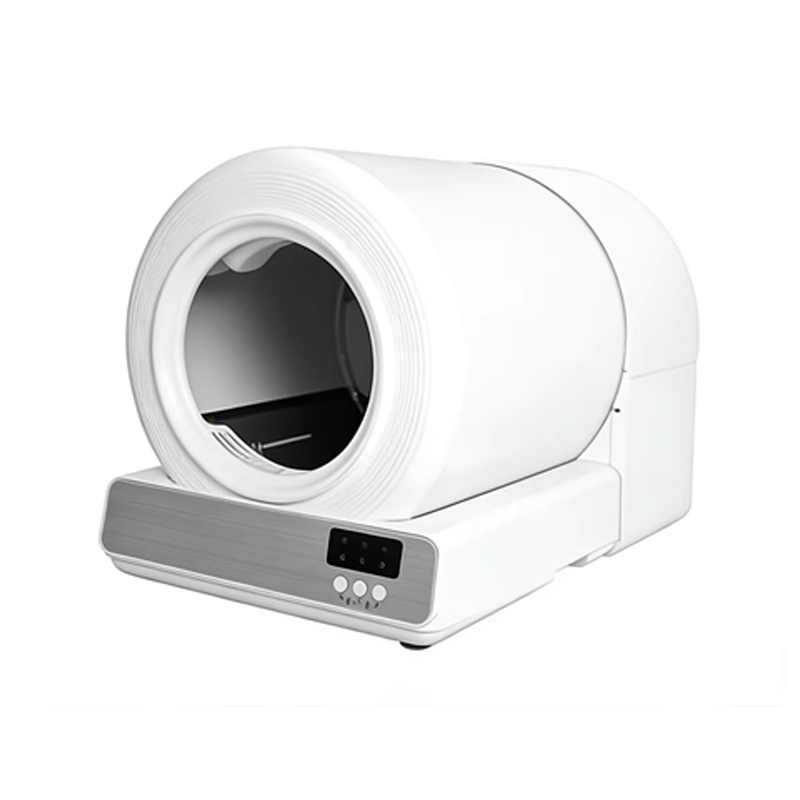
Second-Generation Fully Automatic Cat Litter Tray
Second-Generation Fully Automatic Cat Litter Tray – Product Features With a large 65-litre capacity, it easily accommodates a substantial amount of ...
View More -
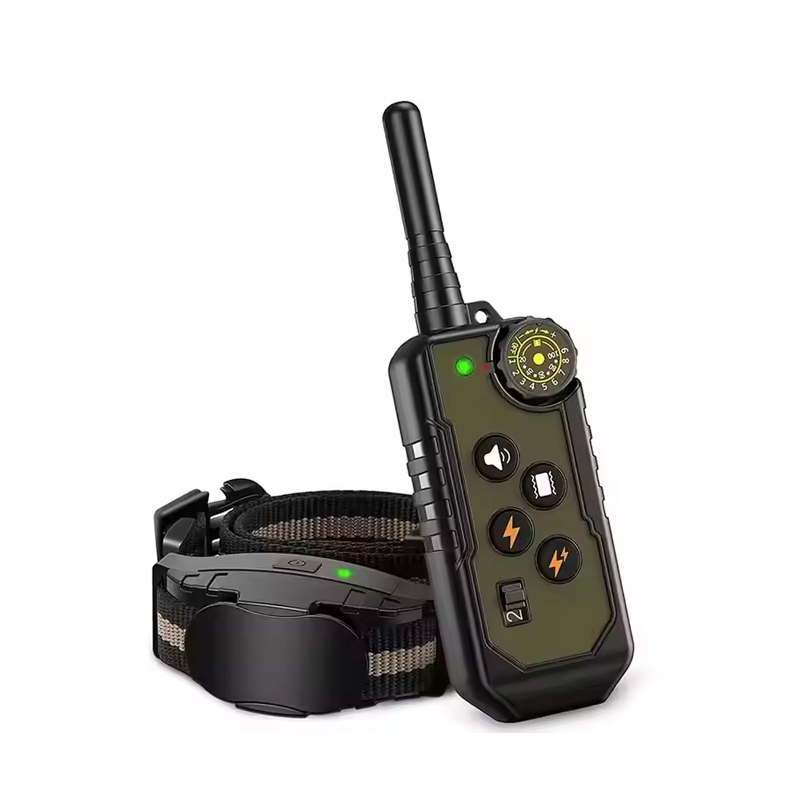
Multi-Mode Easy To Operate Training Shock Collar
The Multi-mode, easy-to-operate training Shock Collar is designed to provide a practical solution for owners seeking a safe and effective way to train...
View More -
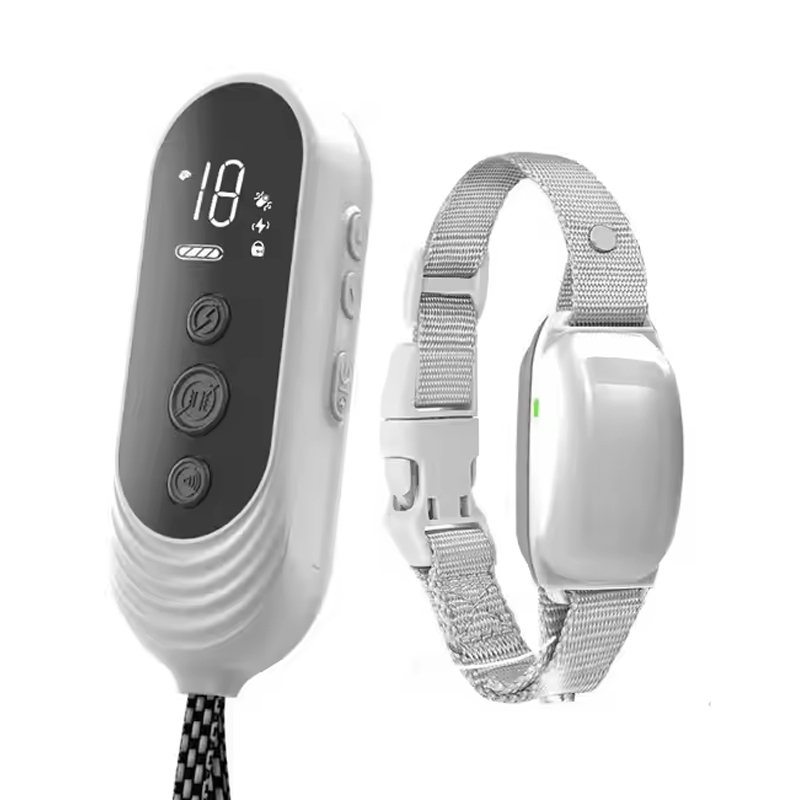
Waterproof Adjustable Polyester Training Shock Collar
The Waterproof Adjustable Polyester Training Shock Collar offers a reliable solution for pet owners seeking a versatile and durable collar to enhance ...
View More -
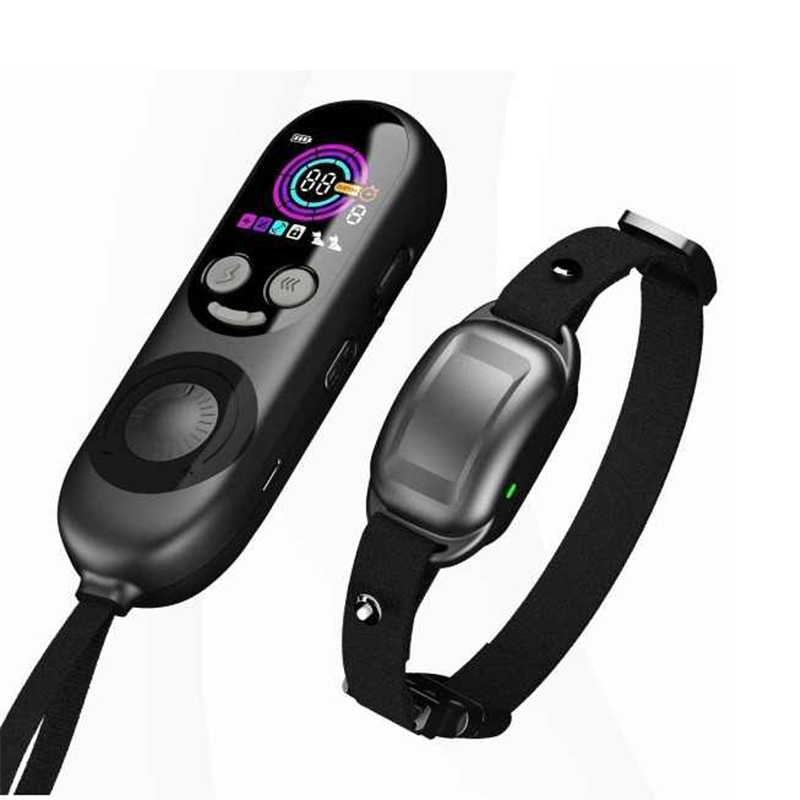
Display Remote Control Training Shock Collar
The Display Remote Control Training Shock Collar is designed to provide pet owners with a reliable and humane solution for training their dogs. Whethe...
View More -
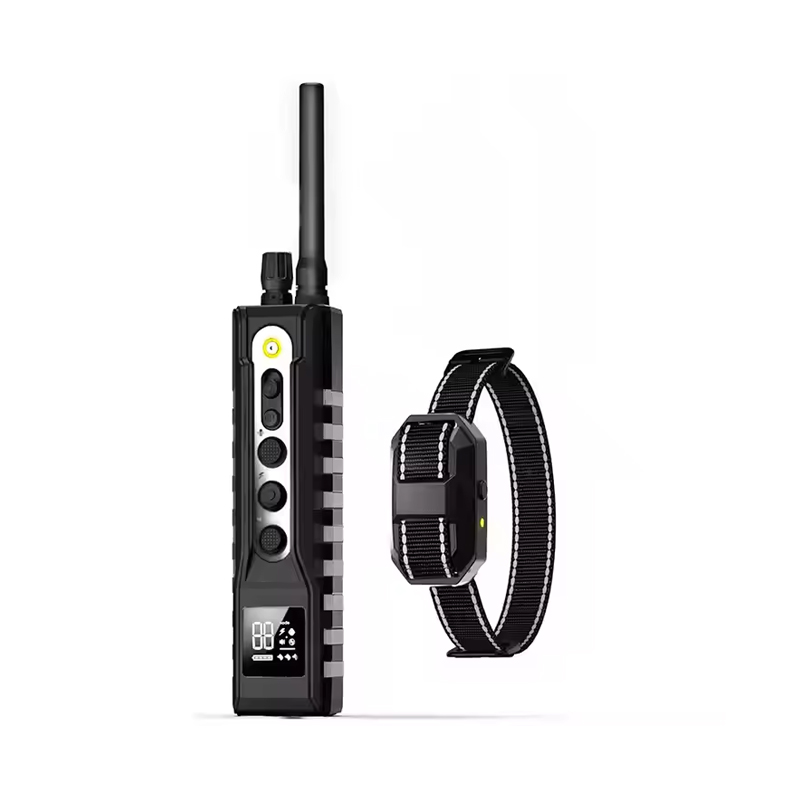
Multi-Function Long Distancetraining Shock Collar
The Multi-function Long Distance Training Shock Collar is a highly versatile tool designed to support your dog’s training across various environment...
View More -
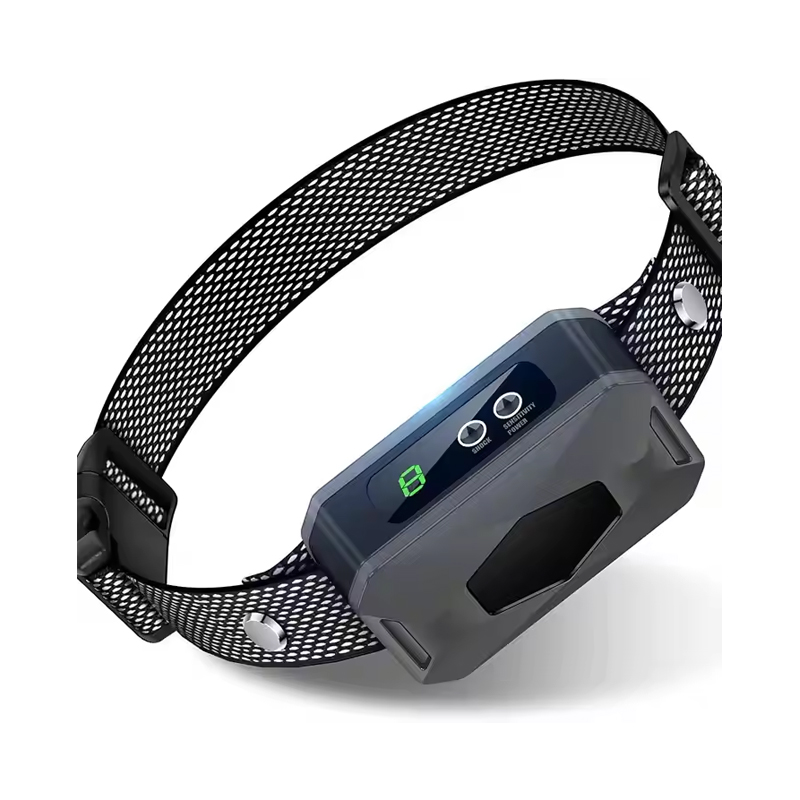
Remote Control Waterproof Training Shock Collar
The Remote Control Waterproof Training Shock Collar is an advanced training tool designed to help pet owners effectively manage their dogs’ behavior...
View More
Pet Products
If you have any questions, please
get in touch with us.
+86-13486854214
E-mail: [email protected]
Address: No. 258, Qingchuan Road, Huzhen Town, Jinyun County, Lishui City, Zhejiang Province
Copyright © Zhejiang Beijing Technology Co., Ltd.

OEM/ODM Smart Pet Care Factory