
 EN
EN  English
 Español
 Français
 Deutsch
 Nederlands

- Type:
- Industry News
- Date:
- 2025-12-19

Industry News
Why is a Pet Brush Important for your Pet's Health
Pet grooming is a crucial aspect of ensuring the overall health and well-being of your furry friend. Among the many grooming tools available, pet brushes are a versatile and beneficial tool. Pet brushes come in a variety of materials, designs, and functions, each tailored to the unique needs of different pets. We will explore the key factors to consider when choosing a brush, the materials used, the benefits it offers to your pet's health, the types of brushes suitable for different coat types, and how to effectively use and maintain these brushes.
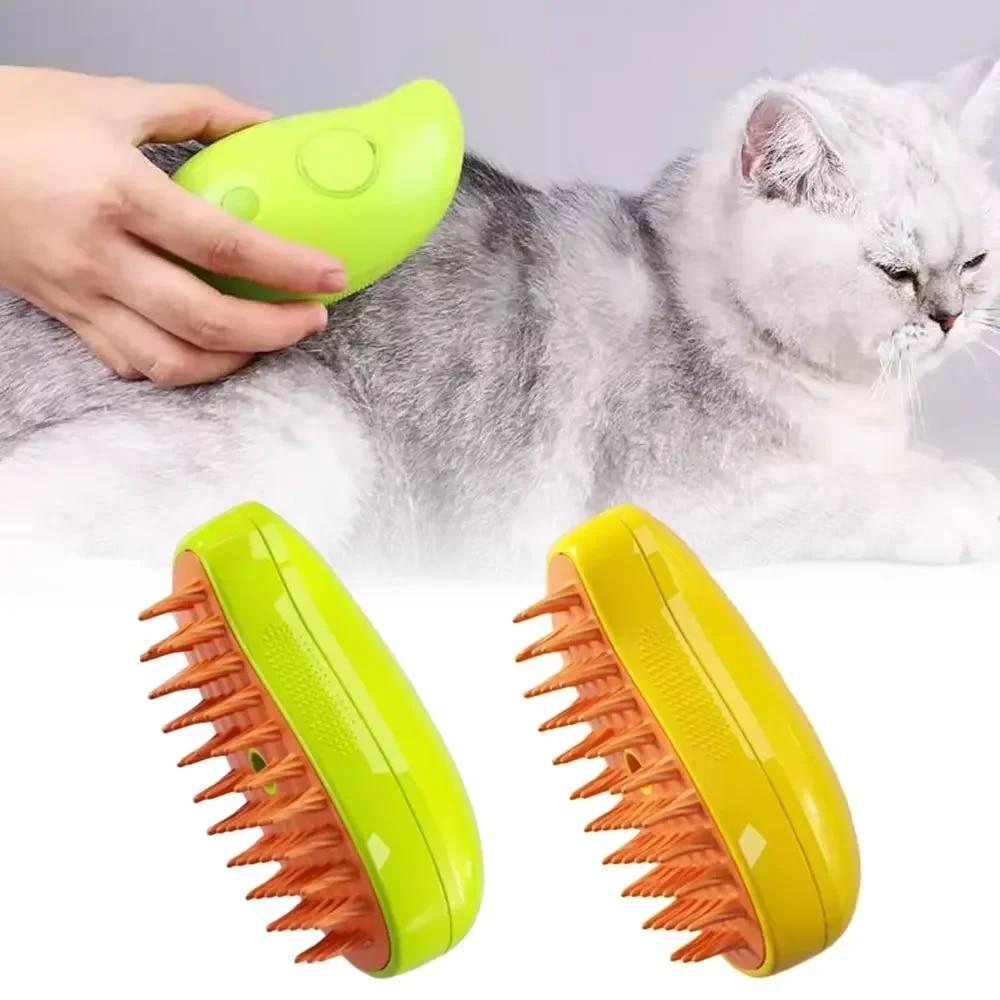
What materials are pet brushes made of, and what can they do?
The brushes currently on the market are basically made of a few types of materials, each corresponding to different hair and skin conditions.
Stainless Steel Bristles
The most common and durable, usually with round, fine needles covered with a protective ball. For short-haired cats and dogs, a single stroke can remove a large amount of loose hair; for long-haired breeds, combined with a detangling spray, it can thoroughly clean out dead hair from the undercoat. The advantages are that it doesn't rust or deform, and the bristles remain sharp even after years of use.
Natural Rubber Bristles
A row of soft rubber teeth that feel like jelly. Especially suitable for pets with thin skin or those sensitive to pain, such as hairless cats, elderly dogs, or pets that don't want to be poked by hard needles after a bath. It can also collect loose hair on the brush, which can be easily removed.
Pure Soft Bristle Brush Head
Mostly made of boar or horsehair, it feels like a makeup brush. Puppies, kittens, short-faced cats, rabbits, and hamsters love this one. A few gentle strokes every day can remove surface dust and polish the fur.
Silicone Brush Head
A whole piece of soft silicone. It doesn't generate static electricity in winter, and can be used as a scrubbing glove during baths. After brushing, you can simply rinse it under the tap; it doesn't trap hair or breed bacteria, and many cats even like to rub their faces against it.
| Material | Function |
|---|---|
| Metal Bristles | Ideal for long-haired pets, these brushes can effectively remove tangles and mats. |
| Rubber Bristles | Gentle on the skin, these are commonly used for short-haired pets or sensitive skin. |
| Natural Bristles | Often used for softer, delicate care, these brushes are great for pets with sensitive coats. |
| Silicone | Soft and gentle, these brushes work well for pets with fine hair or sensitive skin. |
In terms of function, there are four main things:
Removing loose and dead hair – During the spring shedding season, one brush stroke removes a handful of hair, preventing your sofa from becoming covered in fur.
Massaging the skin – The brush bristles gently press on the scalp, promoting blood circulation. Pets will close their eyes and purr because they enjoy it so much.
Detangling and smoothing hair – Hair knots in long-haired cats and dogs can easily turn into felt if not dealt with promptly; combing them out beforehand is the easiest solution.
Cleaning dandruff and dust – Especially for white-haired pets, a few strokes will show the small flakes of dandruff being removed from the skin, making the fur immediately brighter.
What are the health benefits of regularly grooming your pet's fur?
Scientific research and experience show that regular brushing offers significant health improvements, and many pet owners and veterinarians confirm these benefits:
Promoting hair follicle activity and hair regeneration
During brushing, gentle mechanical stimulation helps improve blood circulation around the hair follicles, delivering more oxygen and nutrients to them. This promotes the growth of new hair, making it thicker and healthier, especially during shedding season. Daily brushing effectively shortens the hair recovery period, allowing your pet's fur to regain its luster and density more quickly.
Preventing skin problems
Accumulated dead hair, dander, and excess sebum in a pet's fur are common causes of skin problems such as folliculitis, fungal infections, or seborrheic dermatitis. Regular brushing removes these potential pathogens, keeping the skin clean and reducing inflammation, itching, and odor. In practice, many pets with chronic skin diseases have shown improvement through regular brushing, and their need for medication has significantly decreased.
Improving skin and blood circulation
The brushing action is similar to a gentle massage, which dilates capillaries and accelerates blood flow, thereby improving blood supply to the skin. Especially in older pets, long-term brushing often results in better skin elasticity and paw pad color compared to pets that are not brushed regularly. At the same time, brushing improves microcirculation around the joints, helping to reduce joint stiffness in winter or spring.
Reducing hair and allergens in the environment
Systematic brushing effectively collects shedding hair, reducing its spread throughout the house, in the air, and on furniture. Airborne hair and dander are common allergens, and regular brushing significantly reduces their concentration in the air, especially helping family members with allergies to alleviate symptoms of rhinitis and asthma. In addition, reducing the amount of hair ingested by the pet helps prevent hairball formation and digestive problems.
Which brush should you choose for different pet hair types?
Each coat type has its most suitable grooming tool. Using the right brush makes grooming much easier, while using the wrong one can easily damage the fur and skin. Below is a breakdown by common hair types:
Short-haired pets
Recommended brushes: Rubber brush (curry brush), soft boar bristle brush, short-toothed horsehair brush
Main function: Quickly remove loose hair and dander, making short hair smooth and shiny.
Features: Short-haired pets have a fast turnover of undercoat, but the hair itself is short and stiff, and metal needles can easily scratch the skin. Rubber brushes or soft bristle brushes can be used for large-area massage-style grooming, collecting all the shedding hair in just a few minutes, resulting in noticeably cleaner sofas and clothes.
Long-haired pets
Recommended brushes: Stainless steel round-tipped pin brush + wide-toothed steel comb (for layered combing) + long-toothed rake comb
Main function: Deeply remove dead hair from the undercoat, prevent matting, and keep long hair smooth and flowing.
Features: Long hair is most prone to tangling in the armpits, abdomen, and base of the tail. Once mats form, they can only be cut off. The correct method is to first use a pin brush to comb the hair in layers from the ends to the roots, then gently pull along the direction of hair growth with a steel comb, and finally use a rake comb to clean the undercoat. 10-15 minutes a day will keep long-haired pets looking "advertisement-ready" all year round.
Curly-haired/continuously growing coat pets
Recommended brushes: Long-pin metal brush + wide-toothed comb + fine-toothed greyhound comb (use with detangling spray for severe tangles)
Main function: Untangle knots, prevent hair from drying out and breaking, and maintain curls.
Features: Curly hair does not shed, but it grows continuously and is extremely prone to tangling. It is necessary to comb daily from the ends to the roots in layers to remove dead hair and tangles, while preserving the elasticity and shape of the curls. Without regular brushing, the hair can easily become matted, and even washing won't penetrate the mats.
Sensitive Skin / Hairless / Short-faced / Puppy Pets
Recommended Brushes: Ultra-soft natural boar bristle/horsehair brush, silicone massage glove, baby-grade soft brush
Main Functions: Gentle cleaning, promotes microcirculation, prevents static electricity, does not scratch the skin
Features: These pets have exposed skin or active sebaceous glands, and hard brushes can easily cause red spots or scratches. A silicone glove combined with a warm, damp cloth is the safest combination. Brushing also allows you to check for any abnormal bumps on the skin.
| Coat Type | Recommended Brush | Purpose |
|---|---|---|
| Short-haired | Rubber or Bristle Brush | Removes loose hair, dirt, and oils |
| Long-haired | Pin or Metal Bristle Brush | Untangles mats and removes dead hair |
| Curly/Wavy | Wide-Tooth Comb or Slicker Brush | Detangles curls without breakage |
| Sensitive Skin | Soft Natural Bristles or Rubber Brush | Gently removes dirt and dead hair |
How to improve your pet's comfort through proper brushing techniques?
Brushing is an essential part of pet grooming, and the right techniques not only maintain healthy fur but also enhance your pet's comfort. The following methods will help your pet enjoy a more pleasant brushing experience.
Start slow, don't rush or be too rough
Don't immediately start brushing with a new brush. Let your pet sniff it first, then gently rub its chin and sides of its face with the back of the brush or your palm. Wait until it actively nudges its head into your hand before turning to the brush side. Use almost no pressure, moving only one or two centimeters per second. The movements should be gentle and slow so that your pet doesn't feel uncomfortable or anxious.
Maintain a consistent order, so it knows where you'll brush next
Don't try to brush everything at once; working in sections is better. You can follow this order: back → sides → neck → limbs → tail base → chest and abdomen → and finally the head. Before moving to a new area, gently press the area with your palm for two seconds to give your pet time to prepare.
Turn brushing into a full-body massage
A good technique is: brush with the fur → gently brush against the fur to lift loose hairs → then brush with the fur again to finish → pause for two seconds and gently rotate the back of the brush in small circles. For pin brushes, use the rounded tips to draw small circles on the skin; for rubber brushes, use the tips of the bristles to gently press. Most pets, once they experience this "massage," will relax completely, purring or even snoring softly.
Adjust brushing pressure based on your pet's reaction
If your pet's ears suddenly flatten back, its tail wags quickly, or its muscles tense up, stop immediately, switch to petting, or give it a small treat. Conversely, if it squints, gently kneads with its hind legs, or actively turns its rear end towards you, it's in a very relaxed state. Following its body language is more accurate than any tutorial.
The brush must be suitable; otherwise, even the gentlest touch won't help
For short-haired pets, use a rubber or soft boar bristle brush; long-haired pets require a round-tipped steel pin brush and a wide-toothed steel comb; curly-haired pets need a long-pin brush and detangling spray; and sensitive skin and hairless pets should only use silicone gloves or an ultra-soft horsehair brush. Using the wrong brush can cause pain or scratches even with gentle movements, which can make pets develop a negative association with brushing.
Always end with a reward to create a positive reinforcement cycle
Immediately after brushing, give them a small piece of their favorite treat, or pet them in their favorite spot. After a few times, they will gradually get used to the process and associate brushing with a pleasant experience.
How to Clean and Maintain Pet Brushes
Keeping your pet's brush clean not only ensures effective grooming but also extends the brush's lifespan. Here are some simple cleaning and maintenance tips to help you better care for your pet's brush.
1. Cleaning Methods
- Warm Water and Mild Detergent: Use warm water with a mild soap or a specialized pet cleaning solution to wash the bristles. This effectively removes hair, dust, and dirt, and ensures that no chemical residue irritates your pet.
- Remove Hair Residue: After each use, try to remove any remaining pet hair from the bristles. You can use a comb or a specialized hair removal tool to help remove hair from the brush and prevent it from affecting the brushing effectiveness.
- Check Bristles or Pins: Regularly check the brush's bristles or pins to ensure there is no damage or breakage. If you find any bent, broken, or worn bristles or pins, replace the brush promptly to avoid affecting its effectiveness and your pet's comfort.
2. Drying
- Air Drying: After cleaning your pet's brush, be sure to air dry it in a well-ventilated area. Avoid using high-temperature devices such as hair dryers or direct sunlight, as this may damage the brush's materials.
- Avoid Dampness: Do not put a wet brush directly back into the brush box or storage cabinet. Ensure the brush is completely dry before storing it to prevent mold growth.
3. Storage
- Avoid Humid Environments: When storing the brush, choose a dry, well-ventilated place. Avoid placing it in hot, humid environments to prevent the brush from deforming or being damaged due to moisture.
- Keep it Clean: When not in use, you can place the brush in a dedicated brush box or on a hanger to prevent the bristles from being compressed and deformed, while also keeping the brush clean.
Why Choose Pawtechpet Pet Brushes?
Choosing a high-quality brush not only enhances your pet's comfort but also improves the effectiveness of pet grooming. As a professional pet care brand, we have carefully considered product design, quality standards, and user experience. Below are the unique advantages of our brushes.
Brand Introduction
Pawtechpet's brushes are designed with a focus on comfort and effectiveness, combining advanced technology and high-quality materials to create products that meet high-quality standards. Whether it's cleaning pet fur or providing soothing massages, our products effectively improve the pet grooming experience. We have also built a strong reputation among our customers, earning the trust and support of many pet owners.
Product Advantages
High-Quality, Safe Materials
Pawtechpet brushes use high-quality, safe materials, ensuring that every product is non-toxic and harmless, suitable for all types of pets. Whether it's dogs, cats, or other small pets, our brushes can meet their grooming needs, guaranteeing the safety and health of your pets.
Suitable for Various Hair Types
Different pet hair types require different grooming tools.Brushes are designed for various hair types, including long hair, short hair, and curly hair, providing comprehensive grooming solutions. Whether it's removing tangled hair or cleaning shedding fur, our brushes efficiently complete the task, maintaining the health and shine of your pet's coat.
More Than Just Brushing – Added Benefits
Pawtechpet not only focuses on the health of your pet's fur but also provides a variety of grooming tools to help pet owners address different grooming needs. Our brushes not only remove debris from the fur but also massage the pet's skin, promoting blood circulation and improving the health of your pet's skin.
Related Products
-
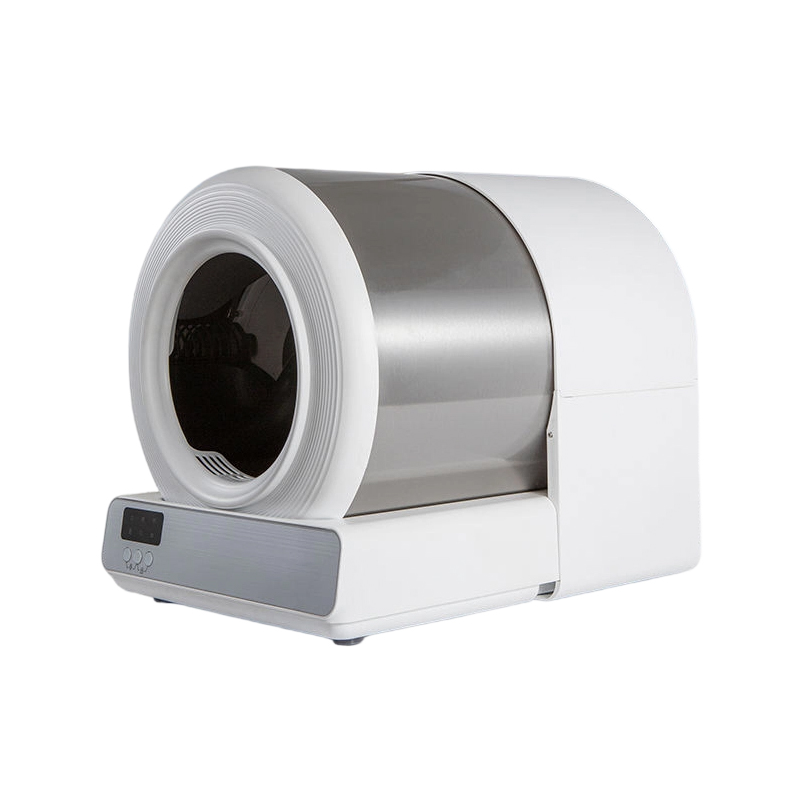
Cat Litter Tray For Multiple Cats Automatic Cat Litter Tray
Cat Litter Tray for Multiple Cats Automatic Cat Litter Tray – Product Features The high-pressure washable, safety-focused design facilitates compr...
View More -
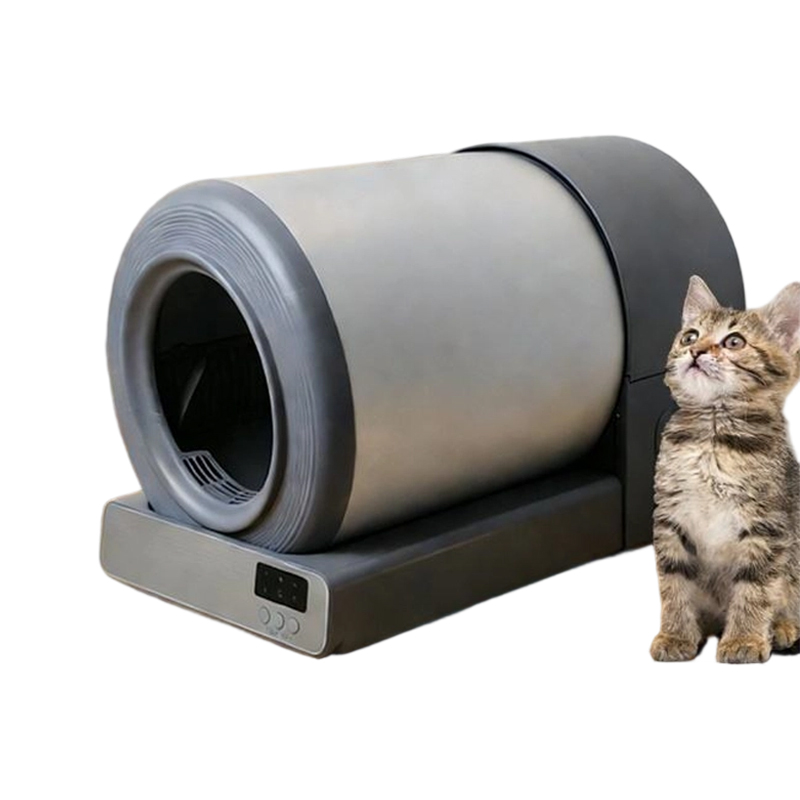
Self-Cleaning Stainless Steel Smart Cat Litter Tray
Self-Cleaning Stainless Steel Smart Cat Litter Tray – Product FeaturesThe preferred choice for non-profit organisations; compatible with open-top bi...
View More -
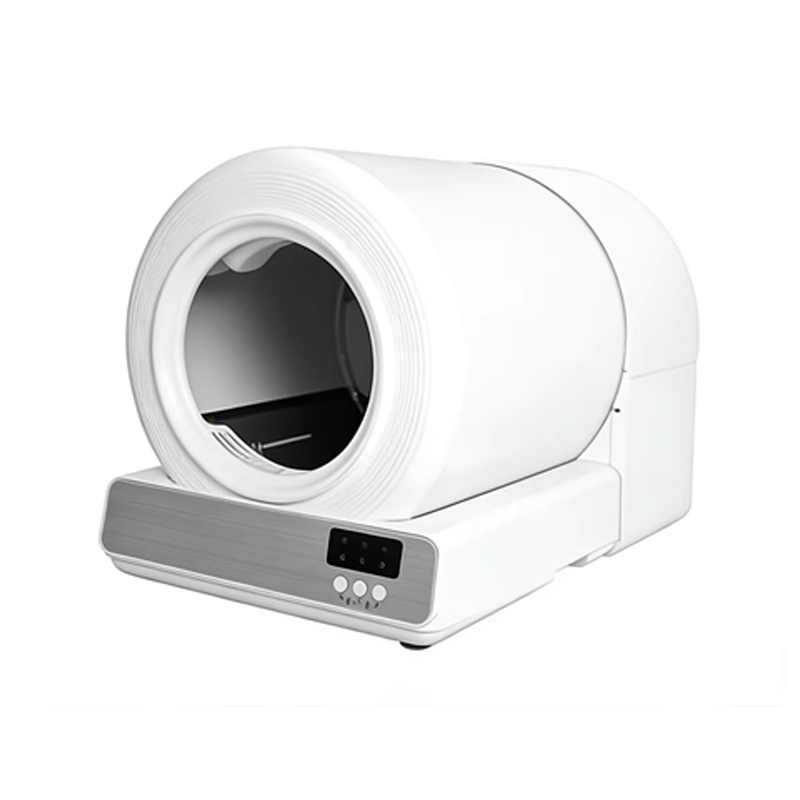
Second-Generation Fully Automatic Cat Litter Tray
Second-Generation Fully Automatic Cat Litter Tray – Product Features With a large 65-litre capacity, it easily accommodates a substantial amount of ...
View More -
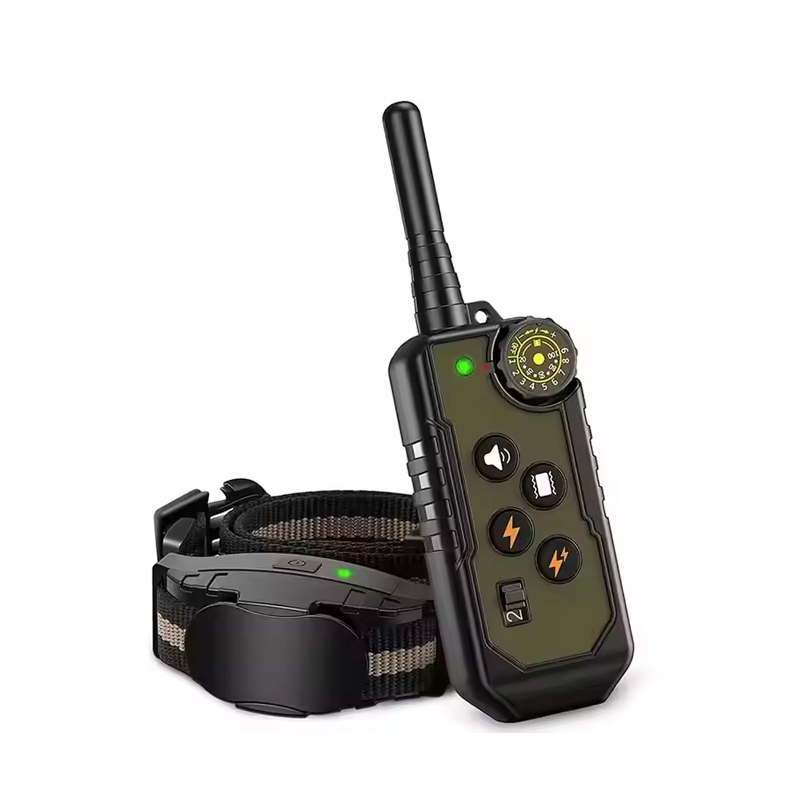
Multi-Mode Easy To Operate Training Shock Collar
The Multi-mode, easy-to-operate training Shock Collar is designed to provide a practical solution for owners seeking a safe and effective way to train...
View More -
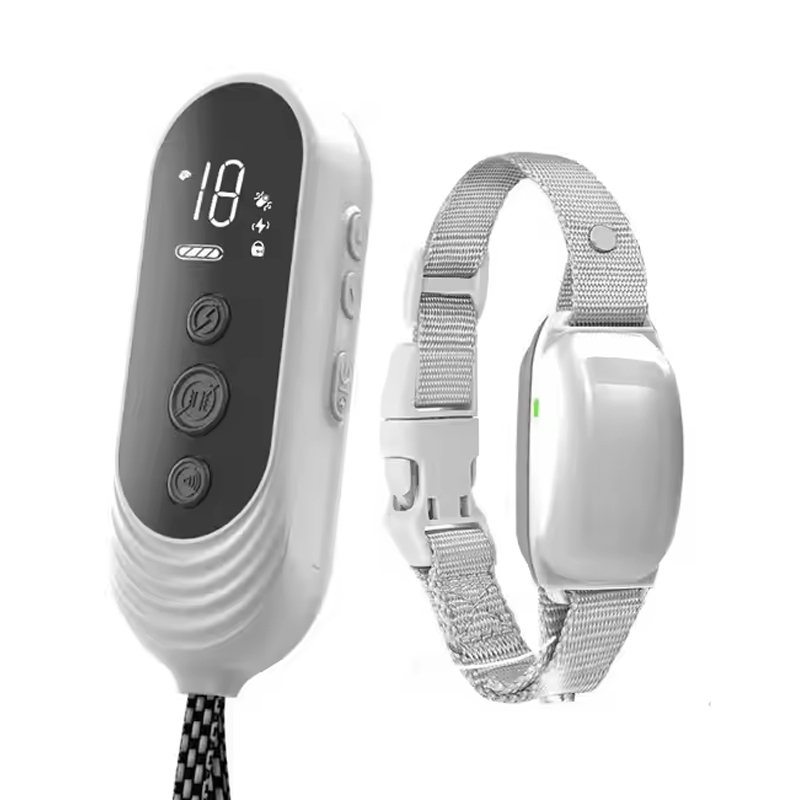
Waterproof Adjustable Polyester Training Shock Collar
The Waterproof Adjustable Polyester Training Shock Collar offers a reliable solution for pet owners seeking a versatile and durable collar to enhance ...
View More -

Display Remote Control Training Shock Collar
The Display Remote Control Training Shock Collar is designed to provide pet owners with a reliable and humane solution for training their dogs. Whethe...
View More -
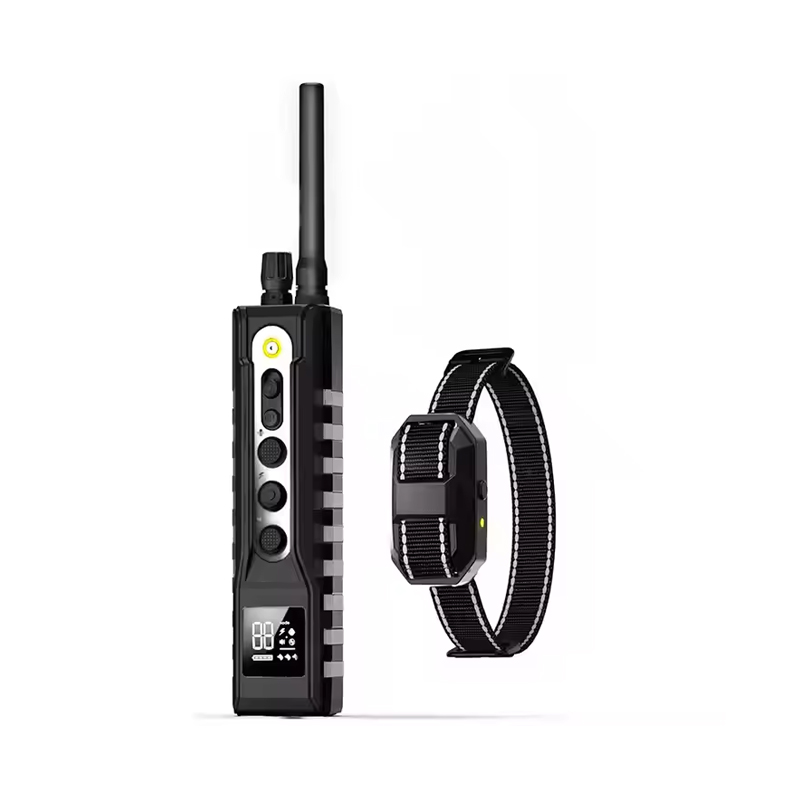
Multi-Function Long Distancetraining Shock Collar
The Multi-function Long Distance Training Shock Collar is a highly versatile tool designed to support your dog’s training across various environment...
View More -

Remote Control Waterproof Training Shock Collar
The Remote Control Waterproof Training Shock Collar is an advanced training tool designed to help pet owners effectively manage their dogs’ behavior...
View More
Pet Products
If you have any questions, please
get in touch with us.
+86-13486854214
E-mail: [email protected]
Address: No. 258, Qingchuan Road, Huzhen Town, Jinyun County, Lishui City, Zhejiang Province
Copyright © Zhejiang Beijing Technology Co., Ltd.

OEM/ODM Smart Pet Care Factory